Good for you. You’ve noticed you’re not hearing as well as you used to and have decided it’s time to have your hearing tested by an audiologist or hearing instrument specialist. That’s a smart decision.

your hearing loss and hearing aids.
Your initial hearing evaluation will most likely consist of three parts:
- A conversation about your health history,
- A physical examination of your inner and outer ears,
- A series of tests designed to determine your levels of hearing and speech comprehension.
Once your hearing care practitioner explains your test results, it’s your turn to ask some hearing loss questions. We’ve assembled some of the more basic ones below in a “print and take-along” format (or pull it up on your phone) so you can have it at your appointment and ask your audiologist or hearing instrument specialist.
1. What type of hearing loss do I have?
Understanding which type of hearing loss you have will help determine what type of treatment you need as well as how to protect your remaining hearing.
There are three different types of hearing loss:
- Sensorineural hearing loss occurs when there is damage to the inner ear or to the nerve pathways from the inner ear to the brain. This type of hearing loss is usually permanent and can often be treated with hearing devices. It often results in high-frequency hearing loss.
- Conductive hearing loss occurs when sound doesn’t travel effectively through the outer ear canal to the eardrum. Many times this is due to a blockage such as an ear infection, allergies, ear wax or a benign tumor. Hearing is often restored after the blockage is removed.
- Mixed hearing loss is a combination of both sensorineural and conductive hearing loss. You may have either one — or a combination of both.
2. How severe is my hearing loss?
During a hearing test, hearing loss is plotted on an audiogram to measure both how well you hear and which frequencies you hear best in (low pitch vs high pitch, for example). Hearing loss can range from mild to severe, and treatment options will vary depending on the extent of your loss. More on the degrees of hearing loss.
3. Do both ears have the same hearing loss?
It's normal for ears to have slight variation in hearing abilities, just like with eyes. But if hearing ability is significantly different between ears, it is considered asymmetrical hearing loss and may warrant a more thorough medical test from an ENT. More about asymmetrical hearing loss. And if you have hearing only in one ear, it's known as unilateral hearing loss, which sometimes requires specialized treatment beyond a typical hearing aid.
4. Which hearing aid is best for my particular type of hearing loss and lifestyle?
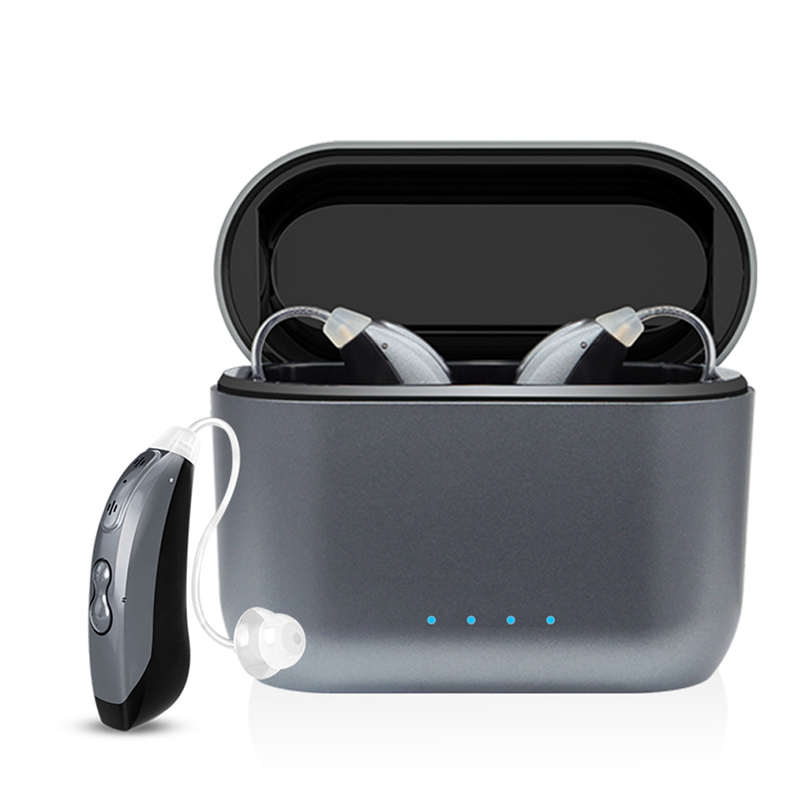
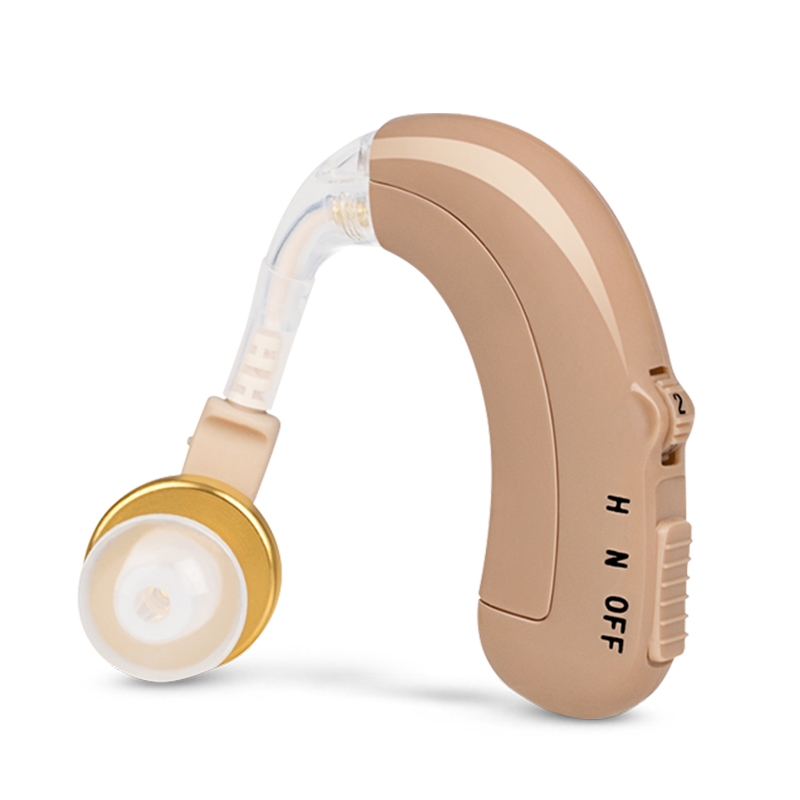
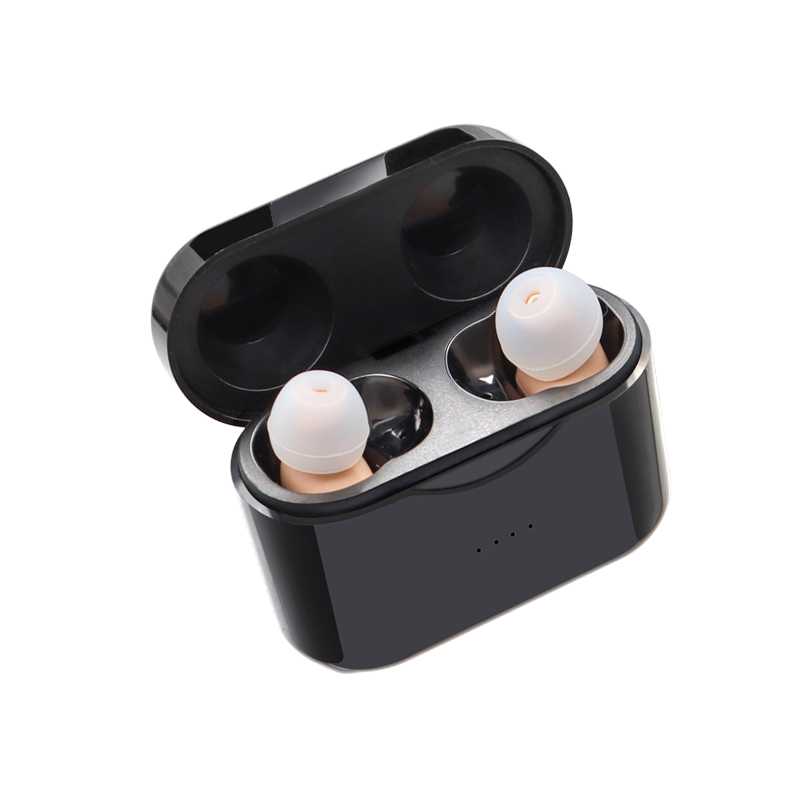
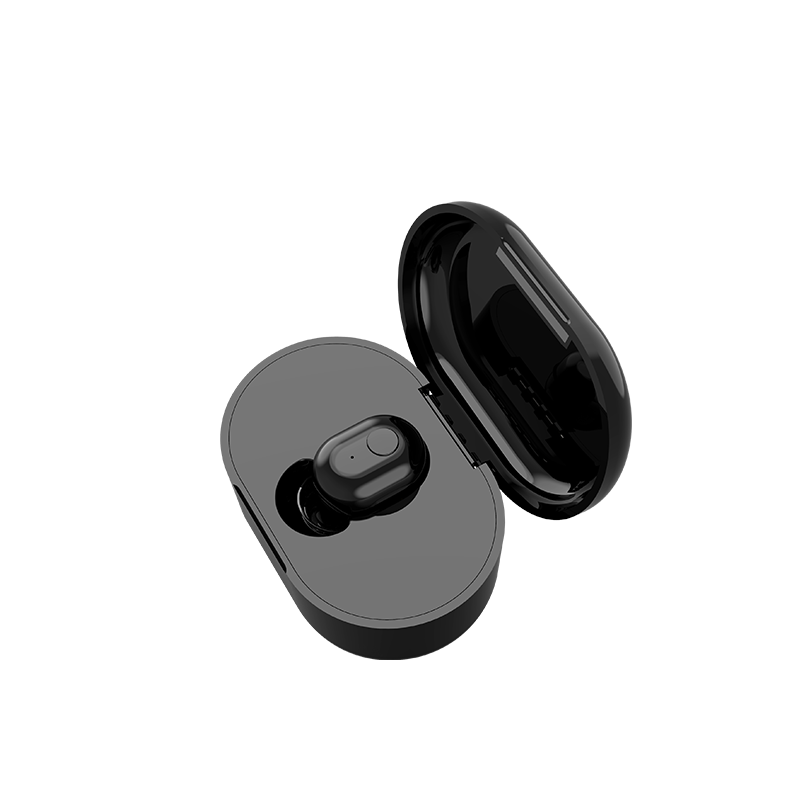
There are a variety of hearing aid types and styles on the market today, each with features designed to fit specific types of hearing loss as well as unique lifestyles. The more information you give your hearing healthcare professional about your daily activities and listening environments, the more likely she will be to recommend the best hearing device for you. Take a few minutes before your appointment to list the things you like to do on a daily and weekly basis — include recreational activities as well as social situations and your work environment.
5. If I purchase hearing aids from you, will I have any additional costs?
In many hearing centers, follow-up hearing care is included in the purchase price of your hearing devices. Some hearing centers include the price of adjustments, repairs, batteries and check-ups while others do not. Make sure you understand what is included so you can budget for the remaining costs, if necessary.
6. How often do you need to check or adjust my hearing aids?
Think of the last time you used a pair of binoculars. Remember how the image you were viewing came into focus as you adjusted the lens? Hearing aids can be similar. It may take a few adjustments in order to help you hear your best. Each hearing center will have a different philosophy on what kind of follow up is best for their patients.
7. How long will these hearing aids last?
Like any piece of electronic equipment, hearing aids will eventually wear out. And, although your hearing healthcare professional won’t be able to tell you exactly how long they will last, they may be able to give you a good idea of your hearing aid lifespan. Asking this question also opens up another good conversation about how to care for your hearing devices so that you can maximize their performance and life span.
8. What type of warranty is available for these hearing devices?
Different hearing device manufacturers have different hearing aid warranties for their products. Knowing the warranty basics for your particular devices gives you the knowledge you need to determine whether or not to purchase additional insurance or make sure they are protected from loss and theft through your homeowners’ policy.
9. What happens if I purchase hearing aids and am not satisfied with their performance?
Many hearing centers offer a trial period when they fit you for hearing aids so you can make sure you’re satisfied before you even write the check. Find out if your hearing center offers something similar and, if so, understand the details.
10. Does my insurance cover the cost of these hearing aids?
Hearing aids are expensive medical devices and not all insurance plans cover their cost. If your plan doesn’t provide coverage and you can’t afford to pay for them yourself, the hearing center staff may be able to help you find alternative sources of financial help — especially if you’re a veteran, are attending college or are still employed. You can also ask if your hearing care provider offers hearing aid financing.
The above is the interpretation of 10 Essential Questions to Ask Your Audiologist provided by Chinese hearing aid supplier Shenrui Medical. Link https://www.srmcm.com/Blog/10_Essential_Questions_to_Ask_Your_Audiologist.html of this article is welcome to share and forward. For more hearing aid related information, please visit Blog or take a look at our Hearing aids products