Key Takeaways
- When shopping for hearing aids, take a number of factors into account, including your budget, unique hearing loss, style preferences and lifestyle.
- Getting used to hearing aids can take time; start by wearing them for a limited time each day and gradually increase the time.
- Maintaining your hearing aids with regular cleaning can extend their lifespan and improve your listening experience.
- Not all hearing aids have testing, care, service and maintenance built into the price; be sure you’re aware of hidden or add-on costs.
- It’s important to use hearing aids correctly; without doing so, you can’t get all of their benefits.
- Hearing aids help improve communication, reduce social isolation and can have long-term benefits like improved cognitive function.
- Encouraging someone to wear hearing aids means understanding their concerns, sharing success stories and highlighting health and psychological benefits.
Wearing hearing aids: A better experience
People who are satisfied with their hearing aids will tell you that they can provide a life-changing experience. Wearing hearing aids makes it possible to stay connected with loved ones, engage in conversations that make life meaningful and fully experience the world. That said, it’s not uncommon to hear people talk about disappointing experiences with hearing aids. But what makes people’s opinions so different?
There are a number of factors that can influence the satisfaction you get from your hearing aids. But if you’re not aware of them, life with hearing aids might not live up to your hopes and expectations.
Benefits of wearing hearing aids
Some of the most frequently mentioned benefits of hearing aids among happy hearing aid users include reconnecting with loved ones and enjoying everyday sounds like music or nature. Those might seem like simple things, but they have the power to boost mental well-being by reducing social isolation and anxiety1.
Better interpersonal communication fosters stronger relationships at home and out in the broader world; hearing aids’ positive effects can even include enhanced job performance and increased earning potential. Studies have also indicated that they can help slow the development of dementia and support better cognitive function2.
Tip 1: Smart shopping for hearing aids
It all starts with exploring your options. But with so many types of hearing aids on the market, the choice can feel overwhelming—especially if you’ve never worn them before. So how do you shop smart? Start by defining your needs and what’s important to you, based on this list of factors:
- Hearing needs: See a hearing care professional (HCP) and get a professional hearing test—which can be done for free at Miracle-Ear—is the first step in finding the right hearing aid. Your HCP will analyze the results of your test to understand which of the many available hearing aids could help your unique hearing the most.
- Budget: Take a look at your finances to estimate what you can comfortably afford, and think about whether you want to pay all at once or use a payment plan. The good news is that hearing aids are available at a range of price points.
- Value vs. cost: Consider what you’re getting for the price of hearing aids—and whether all costs are presented up front. Some of the lowest-priced devices on the market are personal sound amplification products (PSAPs), which do not actually qualify as hearing aids and amplify all sounds—including background noise. Some hearing aids include lifetime care and maintenance, ongoing hearing tests and more services, while with other models, those are future add-on costs you need to estimate and factor in.
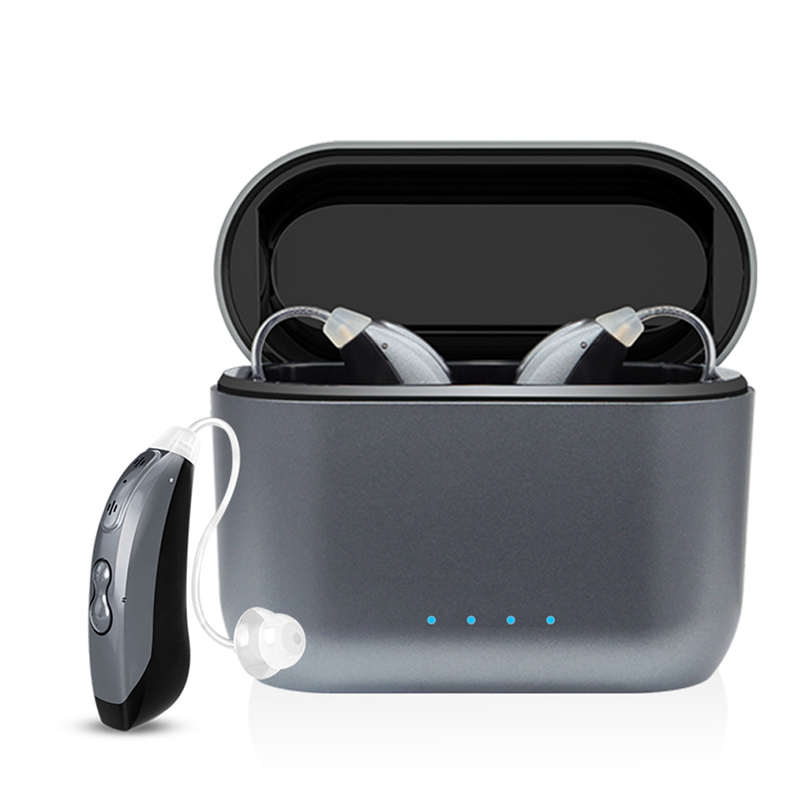
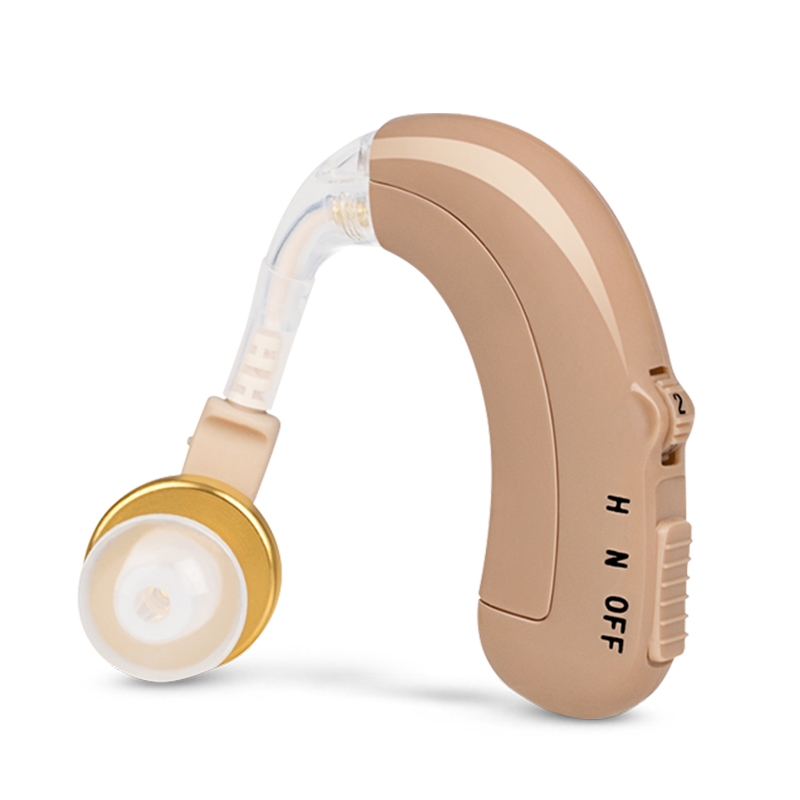
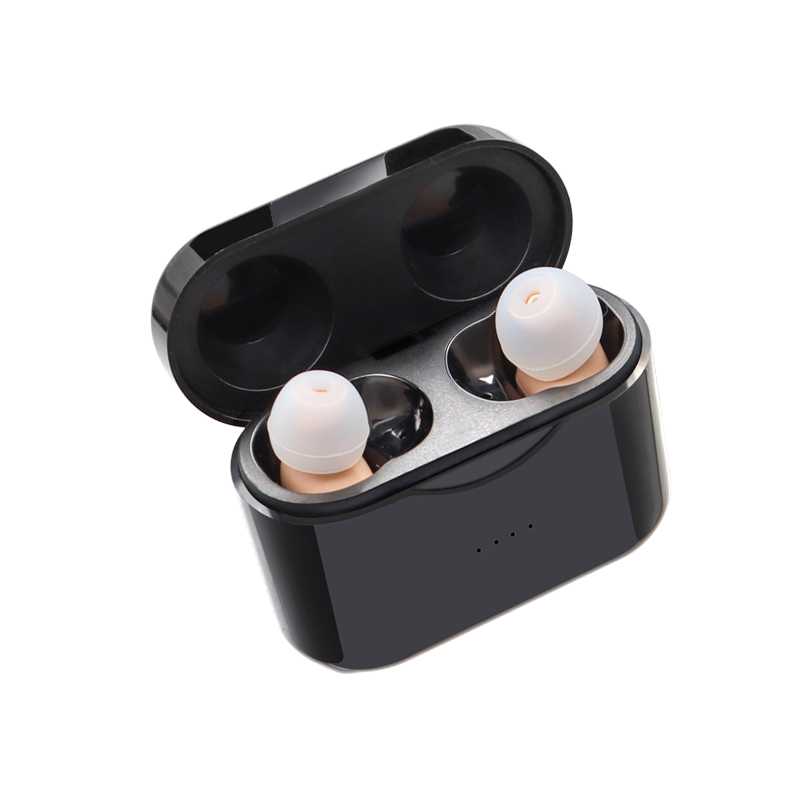
- Personal preferences: Hearing aids come in various styles, sizes and colors. Think about whether you’d like a discreet option or don’t mind something slightly more visible. You might also want to try on a couple of different styles in person to see how they feel in your ears. Choose a model that suits both your comfort and aesthetic preferences.
- Lifestyle needs: Think about where and how you’ll use your hearing aids. Do you sing in a choir? Attend a lot of meetings for work? Spend a lot of time outdoors? If you’re frequently moving between varied sound environments, look for options that can adapt to changes with a variety of programs (or automated adaptations), advanced noise-filtering or directional microphones. Active users may also want to consider waterproof designs.
Tip 2: Getting used to wearing hearing aids
Once you have your hearing aids, it’s time to get used to them. Hearing aids aren’t like glasses, which you can put on and enjoy instant correction. Because of that, it’s important to be open to advice about how to get used to wearing hearing aids. It’s a personal journey that takes time and patience, and it’s normal to experience some frustrations along the way. Start by wearing them for a few hours each day, gradually increasing the time as you get used to the new sounds. As you wear your hearing aids more, you’re retraining your brain to process sound—and that can take time. If something feels off, don’t hesitate to reach out to your HCP for guidance or adjustments.
Tip 3: Using hearing aids correctly
Getting comfortable with hearing aids takes time, but once you’ve made it over the initial hurdle, continuing to wear them appropriately will make a major difference in improving your experience. Follow these tips on how to use hearing aids correctly:
- Use hearing aids consistently: Wear your hearing aids daily to help your brain re-adapt to understanding the signals from your inner ear and interpreting sounds. Consistency is key to fully adjusting.
- Adapt to different environments: Practice using your hearing aids in various settings, like noisy places or quiet rooms, to better understand how they function in the real world. Take notes about your experiences in different sound environments.
- Fine-tune with your HCP’s help: Attend follow-up appointments with your HCP and bring your notes about different sound environments. Together, you can make adjustments that improve your listening experience.
- Try out features: Use built-in features and custom noise settings for clearer sound in public places, or Bluetooth streaming for clearer sound when talking on the phone.
- Use accessories and apps: Accessories like remote microphones, audio clips and TV streamers—and the Miracle-Ear App—can enhance your hearing experience, providing greater control and customization.
Tip 4: Having a care team
There’s a lot to navigate on the journey to better hearing. Doing it alone might seem simpler, but there is a lot to be gained by having an expert care team helping you along the way. They can answer questions that come up, help solve frustrations, teach you the ins and outs of wearing hearing aids, and keep your devices in the best condition. They’ll also be able make adjustments and provide tailored hearing care solutions to ensure that you get the best possible experience from your hearing aids.
Tip 5: Keeping up on maintenance
Happy hearing aid users know the important role that maintenance plays in making the most of their devices. Caring for your hearing aids keeps them working effectively for the longest time possible. Proper hearing aid care includes regular cleaning and replacing certain parts (such as wax guards, tubing or domes) as they wear out. Set a hearing aid maintenance routine for yourself—many people like to do it right before bed or first thing in the morning—to make it easier to stick to it. You’ll also want to bring them to your HCP for a closer look or a tune-up every so often as part of your maintenance schedule. Regular check-ups and maintenance are included in your hearing aid purchase as part of the Miracle-Ear Advantage.
Tip 6: Upgrading when you need it
Sometimes, your hearing needs change—in fact, it’s not at all unusual for your hearing to evolve naturally with age. Other times, the newest hearing aid technology that comes along offers innovations that seem custom-made for your life. By keeping up with hearing tests and paying attention to what’s new in hearing aids, you’ll know when it’s time for an upgrade. Hearing aids can last for years with proper care, but understanding when you’re ready for something new is an important part of a successful hearing improvement journey, too.
Convincing someone to wear hearing aids
Not everyone is eager to wear hearing aids—some may have heard about others’ negative experiences or hold misconceptions. If you’re wondering how to convince someone to wear a hearing aid, it’s important to approach their concerns with honesty and empathy. Seek out someone who has experienced hearing loss and the positive effects of hearing aids firsthand, or if you’ve overcome challenges yourself, consider sharing real-life stories and having a frank conversation about the ups and downs. Let them make decisions in their own time, but let them know that they’re not alone if they have questions or doubts. With the right understanding and support, they might just take the step toward better hearing and a higher quality of life.
The above is the interpretation of 10 Things People Who Love Their Hearing Aids Have in Common provided by Chinese hearing aid supplier Shenrui Medical. Link https://www.srmcm.com/Blog/10_Things_People_Who_Love_Their_Hearing_Aids_Have_in_Common.html of this article is welcome to share and forward. For more hearing aid related information, please visit Blog or take a look at our Hearing aids products