Stop for a moment and notice what you hear. Really pay attention. Beyond the likely suspects of people talking or the volume of the television, what’s going on in the background? Can you hear traffic? Is the neighbor’s dog barking? Are any of your appliances humming along?
Truth be told, much of your hearing is on autopilot. Our brain is processing the sounds our auditory system collects as automatically as we inhale and exhale. In fact, how we hear is a fascinating and, sometimes mysterious, process. So, in honor of hearing enthusiasts everywhere, here are five things you may not know about hearing and hearing loss.

Most people with hearing loss have high-frequency
hearing loss and often struggle to hear birds.
1. Many people with hearing loss struggle to hear birds
When people get hearing aids, they often realize they hadn't been hearing birds for a long time. That's because birdsong is almost always high-pitched and squeaky. It's these high-pitched sounds that are hard to hear for most people with age-related and noise-related hearing loss. Medically, it's known as "high-frequency hearing loss."
Birdwatching with hearing loss: How hearing aids help
2. Noise damages tiny 'hair' cells in your inner ear
You cut and style the hair that grows on your head; sometimes the hair on your arms and the back of your neck stands up on end when you’re feeling uneasy—but did you know you have a completely different set of sensory hair cells in your inner ear that are responsible for how you hear?
Also known as stereocilia, the hair cells in the inner ear receive sound vibrations from the outer ear and change them into electrical impulses that they send to the brain along the auditory nerve. These hair cells—approximately 16,000 of them—are rolled up like a carpet inside your cochlea.
Many things can damage these delicate hair cells, but noise-induced hearing loss (NIHL) is one of the most common—and preventable. Hearing healthcare professionals agree: If you can limit your exposure to noise louder than 85 decibels, you can minimize the permanent damage to the hair cells of the inner ear. (In other words, turn down the volume and use hearing protection if you have noisy hobbies, such as hunting or woodworking.)
3. Your left and right ears handle sound differently
Scientists have discovered that the left and right ears process sound differently. The right ear responds more to speech and logic while the left ear is more tuned in to music, emotion and intuition. Scientists believe it’s because speech is processed primarily in the left hemisphere of the brain, while music (and other creative functions) are processed in the right hemisphere.
This may explain why those with greater hearing loss in the left ear may have trouble understanding friends and family’s emotional issues while those who have greater hearing loss in the right ear seem to lose some of their ability to sort things out.
However, having differing levels of hearing loss in your ears can be a sign of a medical problem. This is known as asymmetical hearing loss.
4. Hearing loss can make you tired and fatigued
If you find you’re tiring more easily than you used to, it may not be your age—it might be hearing loss. Remember the automatic listening mentioned at the beginning of this article? When you have hearing loss, you have to concentrate more to understand what you’re hearing. You may even be guessing what people are saying by reading lips, facial expressions and body language.
More: 5 benefits of lipreading when you have hearing loss
In fact, a study by the Better Hearing Institute estimates that untreated hearing loss costs the United States $56 billion each year in lost productivity at work, much of which can be blamed on hearing loss fatigue. A survey by the Danish Institute for Social Research found that as many as one in five people with hearing loss stop working altogether. Of those who do work, 15 percent are too tired at the end of the day to pursue leisure activities.
Fortunately, hearing aids can reduce hearing loss fatigue. When the sounds in your environment are amplified, it takes less effort for you to hear speech and other sound. Today’s technology makes it even easier. Many hearing devices have features which isolate and amplify the sound you want to hear while significantly reducing or removing background noise.
More: Hearing loss is exhausting? I was skeptical—until I took a hearing test
5. Hearing loss can shrink your brain
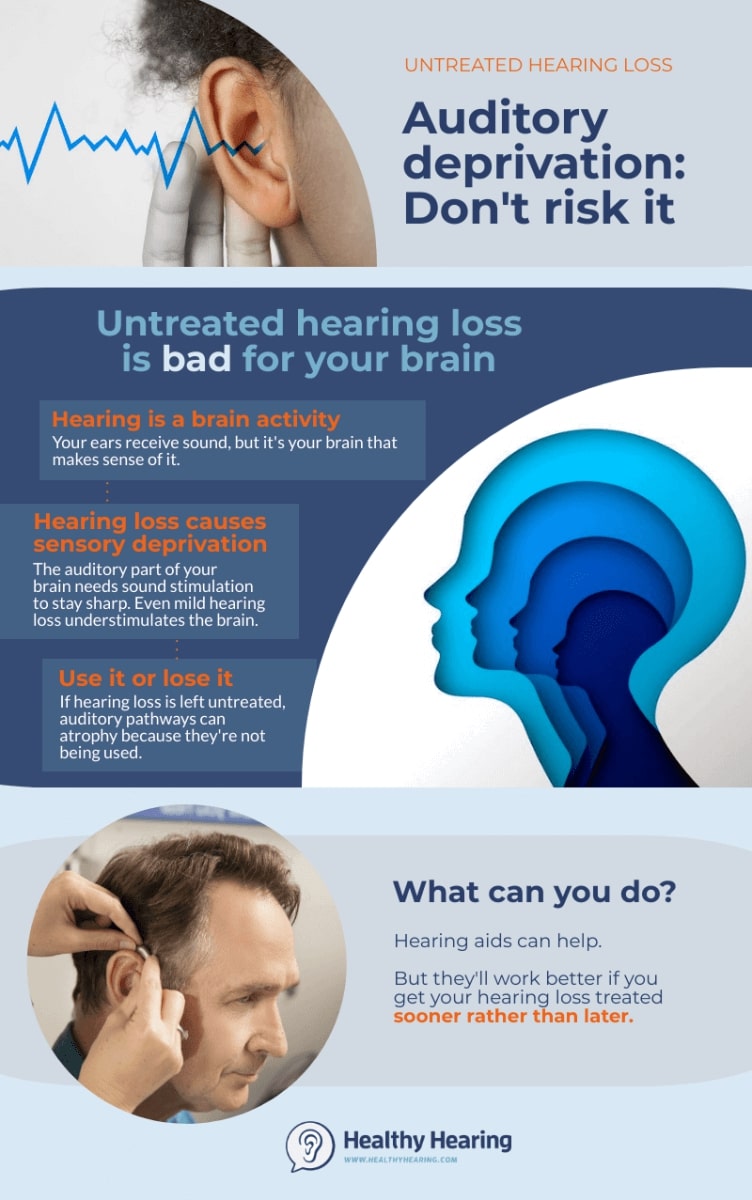
Hearing loss is a form of sensory deprivation. When the brain is deprived of auditory stimulus, it undergoes changes and can lead to brain atrophy. As audiologists are fond of saying, "use it or lose it." Once auditory deprivation has set in, it becomes more challening (but not impossible) to relearn the sounds you stopped hearing. Sometimes all it takes is a new pair of hearing aids, but sometimes additional auditory therapy may be needed.
How to get help with hearing loss
Now that you’re more aware of how your hearing works, don’t forget to schedule a visit to a hearing healthcare professional for a thorough hearing evaluation if you suspect you have hearing loss.
Establishing a baseline level for your hearing as well as a relationship with a reputable hearing healthcare professional is a great first step toward hearing health.
Find a hearing instrument specialist or audiologist near you.
The above is the interpretation of 5 Weird and Surprising Facts About Hearing provided by Chinese hearing aid supplier Shenrui Medical. Link https://www.srmcm.com/Blog/5_Weird_and_Surprising_Facts_About_Hearing.html of this article is welcome to share and forward. For more hearing aid related information, please visit Blog or take a look at our Hearing aids products