When should you get a hearing aid?
The earlier you can detect and treat hearing loss, the better, and getting timely treatment starts with paying attention to the signs. Early signs of hearing loss are often subtle, which can make them difficult to notice. On the other hand, you might know you’ve been having some trouble hearing, but may not think it’s serious enough to take action.
Though it can be tempting to wait, especially if you feel you’re managing it, chances are your hearing problems are affecting you more than you realize.
What happens when hearing loss goes untreated?
The longer you wait to treat hearing loss, the more difficult treatment can become.
Why is that? Keep in mind that you technically hear with your brain, not your ears. Untreated hearing loss may eventually lead to changes in the brain. As hearing worsens and the hearing nerves are deprived of sound, the brain’s hearing centers weaken and lose the ability to detect missing sounds—a phenomenon known as auditory deprivation. In other words, the brain can “forget” how to recognize certain sounds over time.
You’ve probably heard the saying “use it or lose it.” This concept applies to hearing as much as any other ability. Just as we exercise our muscles, it’s crucial to “exercise” our hearing to keep it functioning properly. Wearing hearing aids helps to exercise the brain’s hearing centers so it maintains its ability to detect and distinguish sounds.
The importance of early treatment
A hearing aid may be recommended at any stage where hearing loss starts to interfere with communication or everyday activities. The degree of hearing loss and its impact on quality of life are key factors in deciding when amplification is necessary.
Research shows that leaving hearing loss untreated can significantly increase the risk of cognitive decline and dementia. This is because the brain receives less auditory stimulation over time, gradually weakening its ability to process sounds. Even in what feels like a quiet room, there are usually many subtle background noises—without adequate hearing, the brain is deprived of this vital input.
For this reason, regular hearing tests are essential. Addressing hearing loss as early as possible with the right device can help maintain cognitive function and reduce the risks linked to untreated hearing loss.
Do you need hearing aids for mild hearing loss?
Though each individual’s hearing loss is different, people with mild hearing loss often perceive sound loud enough but have trouble understanding certain sounds.
The Hearing Health Foundation (HHF) defines mild hearing loss as difficulty detecting sounds between 26 and 40 decibels (dB). Everyday noises within this range may include background chatter, a whisper, or the gentle flow of a stream. Consonant sounds such as “th,” “sh,” “f” or “p” may get lost during conversation, making it hard to comprehend and distinguish between words (for example, “thought” may sound like “fought”). .
Although the term mild might sound harmless, it is important to talk discuss with a hearing care professional about how this level of hearing loss impacts daily life. The extent to which it interferes with everyday activities is what matters most.
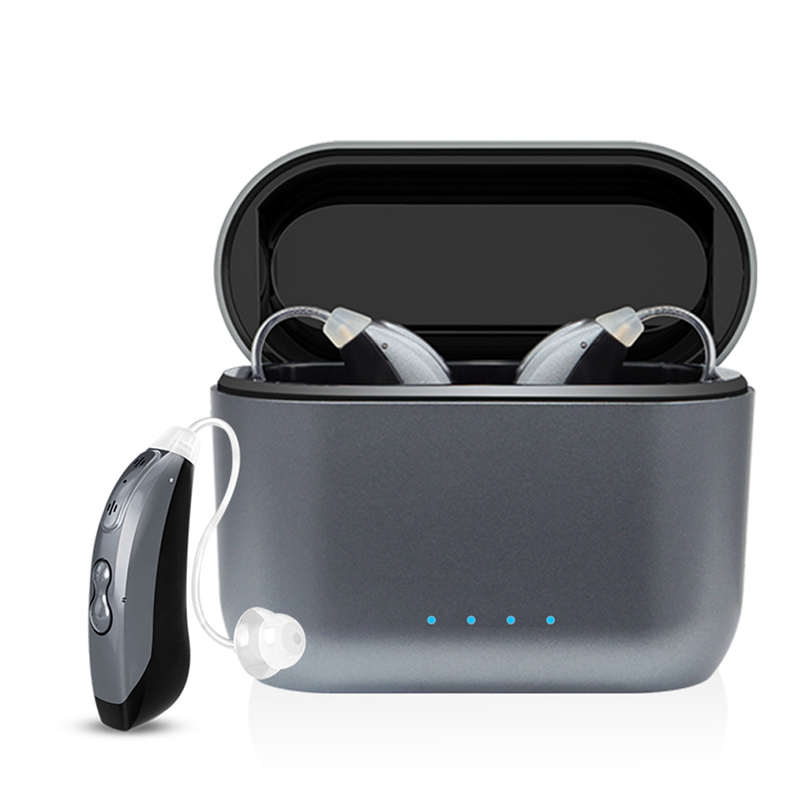
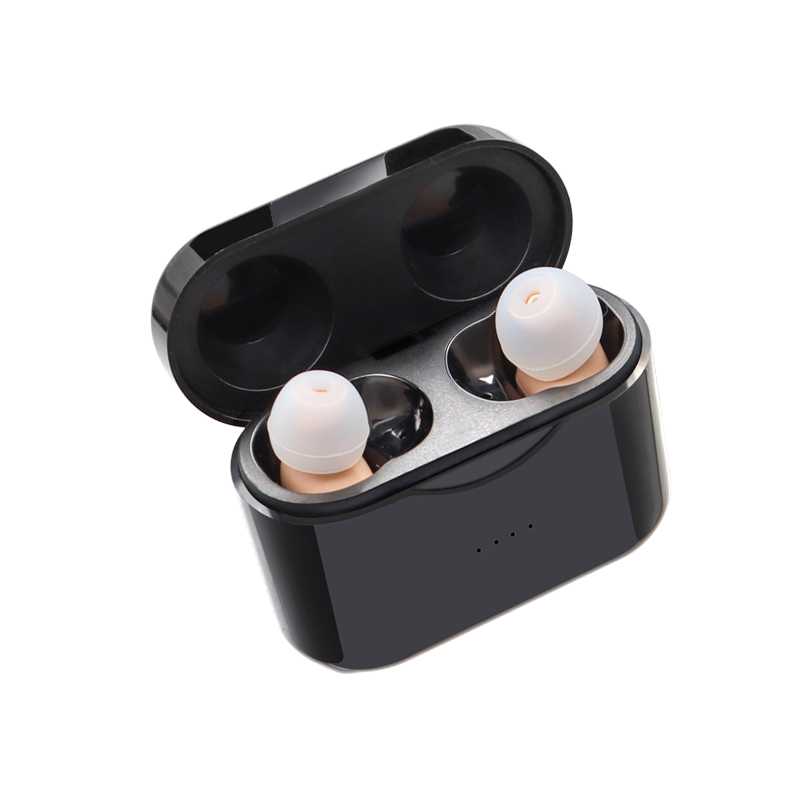
Since you won’t require the most powerful amplification devices, you’ll have a wider range of models and features to choose from. Certain hearing aid devices are specifically designed for mild hearing loss. You may have the option of wearing the smallest and most discreet styles, such as Miracle-Ear’s nearly invisible hearing aids.
For adults, starting to use hearing aids at the mild stage is strongly recommended—even if they can still follow most conversations. Early adoption supports the brain by keeping auditory pathways active and engaged. The wider the range of sounds the brain processes, the more stimulated it remains, which may help slow down the progression of hearing loss.
Do You Need Hearing Aids for Moderate Hearing Loss?
According to the Hearing Health Foundation (HHF), moderate hearing loss is defined as difficulty perceiving sounds between 41 and 55 decibels. People within this range often benefit significantly from hearing aids, which can restore access to everyday sounds such as normal conversations, traffic noise, and birdsong.
Even if moderate hearing loss does not seem to disrupt your social life, hearing aids remain highly recommended. Like in cases of mild hearing loss, they provide valuable stimulation to the brain’s auditory pathways, supporting overall cognitive health.
Hearing aids for moderately severe hearing loss
Moderately severe hearing loss is classified as difficulty hearing sounds in the 56 to 70 decibel range. At this level, individuals usually struggle to understand normal speech without a hearing device. They may also be unable to detect common household noises, such as the hum of a washing machine or dishwasher.
Hearing aids for profound hearing loss
Profound hearing loss occurs when sounds below 91 decibels are no longer audible. In many cases, amplification with a hearing aid provides subtle warning cues however many speech cues may not be audible. This is because the challenge often lies not in sound volume but in damage to the inner ear, which prevents signals from being amplified enough to provide a clear signal to the brain.
While traditional hearing aids may not always be effective in such cases, outcomes vary and depend on the individual’s condition. Profound hearing loss individuals may find an excellent solution with a cochlear implant. Your hearing care professional can help you in determining the best solution.
The above is the interpretation of 7 Signs It's Time to Consider Hearing Aids provided by Chinese hearing aid supplier Shenrui Medical. Link https://www.srmcm.com/Blog/7_Signs_It_s_Time_to_Consider_Hearing_Aids.html of this article is welcome to share and forward. For more hearing aid related information, please visit Blog or take a look at our Hearing aids products