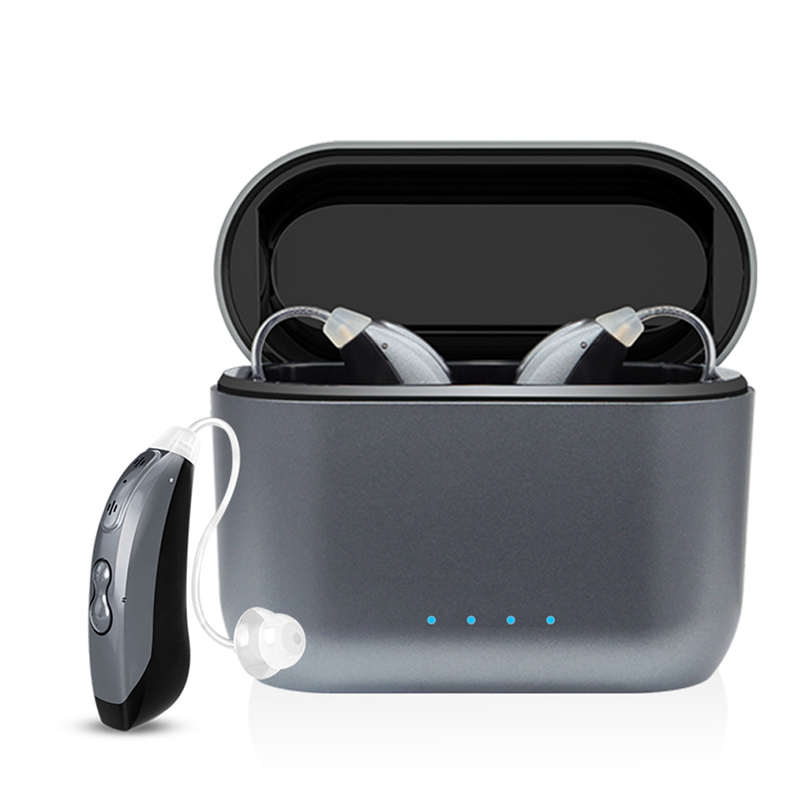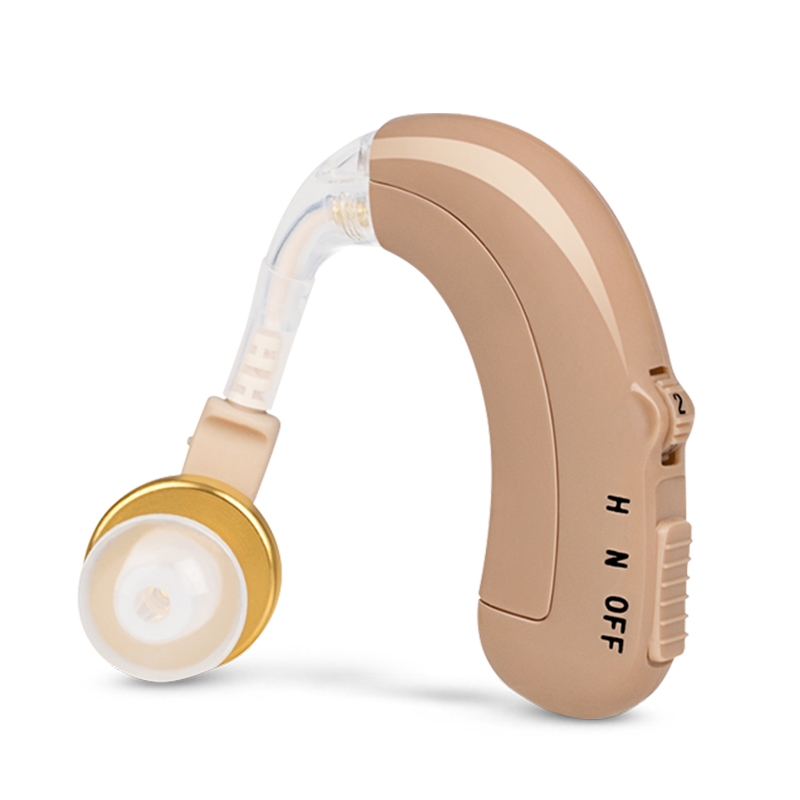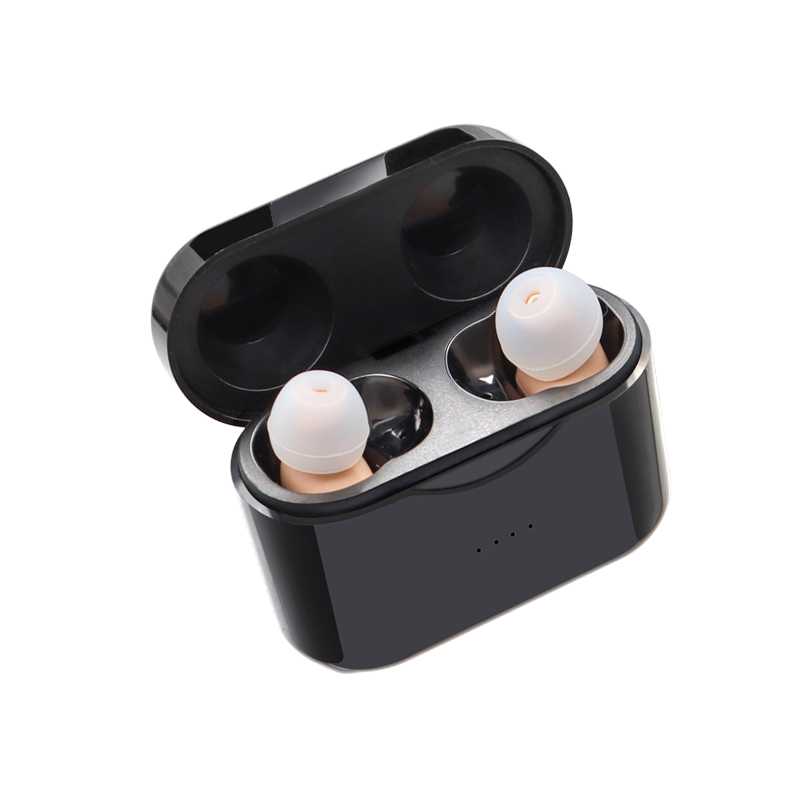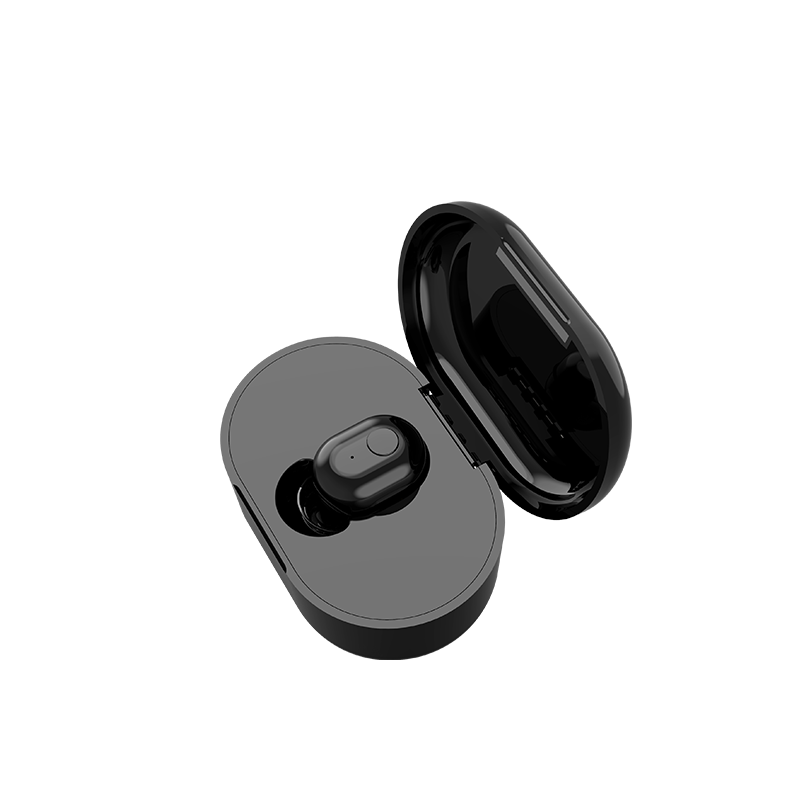
How can I extend the longevity of my hearing aids?
Once you’ve found the hearing device that fits your needs, you’ll want to preserve it for a long time. Here’s your hearing aid maintenance checklist with important reminders that will help you take care of your investment and create a longer hearing aid lifespan.
1. Protect hearing aids from environmental debris
Wearing your hearing aids all day, every day means they’ll inevitably be exposed to debris in your environment. This can include dust, sweat, moisture and even makeup or hair products. While some of the debris is natural and inevitable—such as sweat—avoid using hair spray, applying cosmetics or washing your face while wearing your hearing aid. If these products come in contact with your device, they can build up inside the chambers and limit its effectiveness.
2. Establish a nighttime hearing aid routine
Storing your hearing aid in a drying chamber each night is important hearing aid maintenance, because it helps preserve the technology, drying out any moisture that has accumulated during the day. It’s best to remove the hearing aid battery and leave the battery door open while these sit in their case or dehumidifier overnight.
This step also plays a big role in preserving battery life. If for some reason you won’t be wearing a pair of hearing aids for an extended period of time, it’s even more important to take out the batteries. Otherwise, potential battery corrosion could damage the technology and limit your hearing aid lifespan.
3. Change (or charge) hearing aid batteries often
When your hearing aid battery is about to die, you’ll hear a beep indicating that it’s time to replace it. To preserve your hearing aid’s functionality, check your batteries and battery compartment on a regular basis. It’s possible for debris to get caught in this area, which can impact how well your device functions. Wash (and thoroughly dry) your hands before switching out batteries, and make sure there isn’t excessive lotion or oil on them.
4. Remove ear wax regularly
Our ears naturally produce ear wax (also known as cerumen). This keeps us healthy by protecting the ear canal and inner ear from environmental substances that would otherwise cause problems like infections. When ear wax builds up, it will either create a blockage or slowly migrate out of the ear. Hearing aids send sound signals to our brain through the ear canal, so they constantly come in contact with this wax. But there’s no need to worry—simple cleaning practices can keep your ears healthy and your hearing aid working properly.
Avoid putting anything inside the ears to clean them—doing so can actually cause damage. Instead, use a soft washcloth on the outer part of the ear to help maintain good hygiene. As for your hearing aids, use a special brush provided by your hearing expert to clear away wax on the earpiece and a pick or multi-tool to remove the particles inside. Wipe down the outside of the device with a clean cloth when you’re finished.
5. Be proactive about hearing aid repairs
Similar to laptops, smartphones and GPS systems, hearing aids may need repairs from time to time. Not only are they used frequently; they also go with you everywhere you go, which makes them susceptible to damage.
If you accidentally drop your hearing aids, check to make sure that nothing appears to be broken and that they still work properly. If they don’t, take the initiative to schedule a repair. Life happens—just make sure you address potential issues right away. This important bit of hearing aid maintenance will help extend your hearing aid lifespan, and will ensure that you continue to get the hearing help you need.
6. Visit your hearing aid provider for check-ins
A hearing test and hearing aid fitting are just the beginning of your provider’s services. It’s important to make appointments every few months to get a professional cleaning and to make sure your device is working properly. During these routine visits, your Miracle-Ear specialist will be able to check on battery doors, ear molds, tubing, wax filters, external speakers, microphone covers and earpiece tips. If there’s any issues, they’ll make adjustments to the components as needed.
Your provider can also show you how to take care of hearing aids in person. With our free lifetime aftercare service, you’re free to stop in whenever needed. Each of our customers come in an average of five times a year for hearing tests, cleanings and adjustments. Our three-year warranty also covers hearing aid loss or damage.
The above is the interpretation of A Daily, Weekly, and Monthly Schedule for Hearing Aid Care provided by Chinese hearing aid supplier Shenrui Medical. Link https://www.srmcm.com/Blog/A_Daily_Weekly_and_Monthly_Schedule_for_Hearing_Aid_Care.html of this article is welcome to share and forward. For more hearing aid related information, please visit Blog or take a look at our Hearing aids products