Tips for teaching kids about hearing loss
Show kids what hearing loss sounds like
Recreating the auditory experience of hearing loss is a helpful way to explain the concept — particularly for little ones who may not understand easily. Put earplugs or cotton balls in their ears to block sound. Ask at a normal volume, “Can you hear me?” Then, remove the earplugs or cotton balls and speak to them at the same volume. Explain that when someone has hearing loss, many sounds can be difficult or impossible to hear, so it’s important to speak up and speak clearly. (You can also visit our hearing loss simulator together.)
Talk about it a way kids can understand
Talk about the hearing loss causes in terms kids can understand, for example, you could explain that as people get older, their hearing may not work as well. Or that listening to very loud noises can hurt our ears. Or that, in some cases, people may be born without their hearing or lose it after being sick — but hearing aids and other tools can help them hear and communicate with others.


Guide kids to effective communication
Turn the TV or music up to a high volume and speak in a normal voice, facing away from them. Then, turn down the background noises so they can hear you more clearly. Explain that too many noises can make it difficult for you to understand them when they talk. Encourage them to get your attention and minimize distracting sounds before speaking to you — so you don’t miss a word!
Define a hearing protection plan
Come up with a hearing protection plan for kids. Work together to identify ways they can practice safe listening in different scenarios — whether it’s setting a volume limit on the phone/tablet/TV, wearing earplugs at noisy sporting events or simply reminding them to cover their ears near loud buzzers, sirens, etc.

Prevention starts early on
Rasing awareness in children and teens, could help preventing hearing loss.
More on early prevention Look for the signsTips for teaching kids about hearing aids
Highlight how hearing aids help your loved ones. Point out that, just as glasses enable people to see better, hearing aids enable people to hear better. Share how they help you listen to all the things you love (like their laughter or singing!).
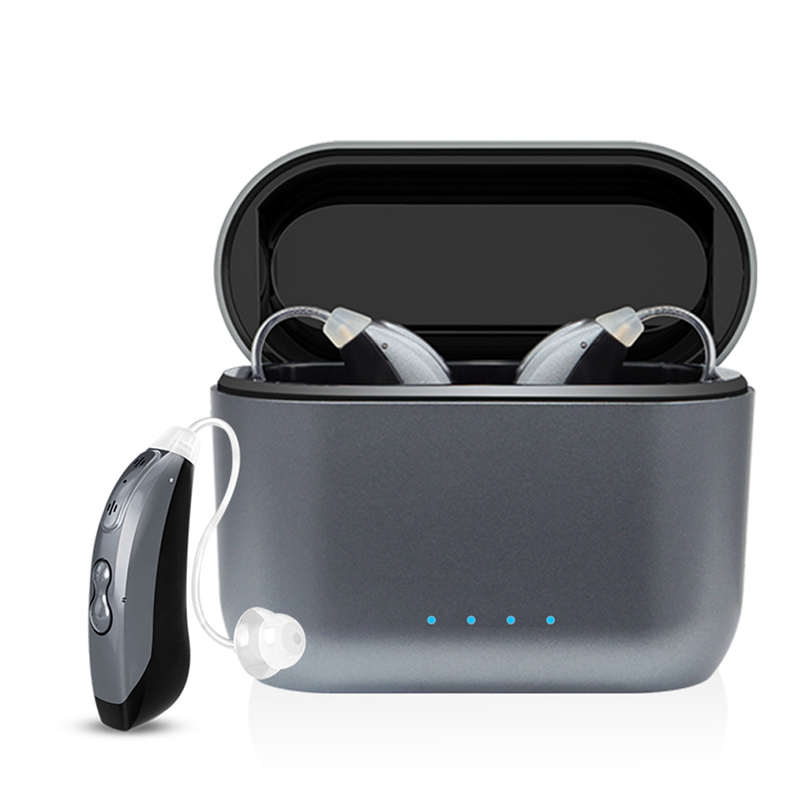
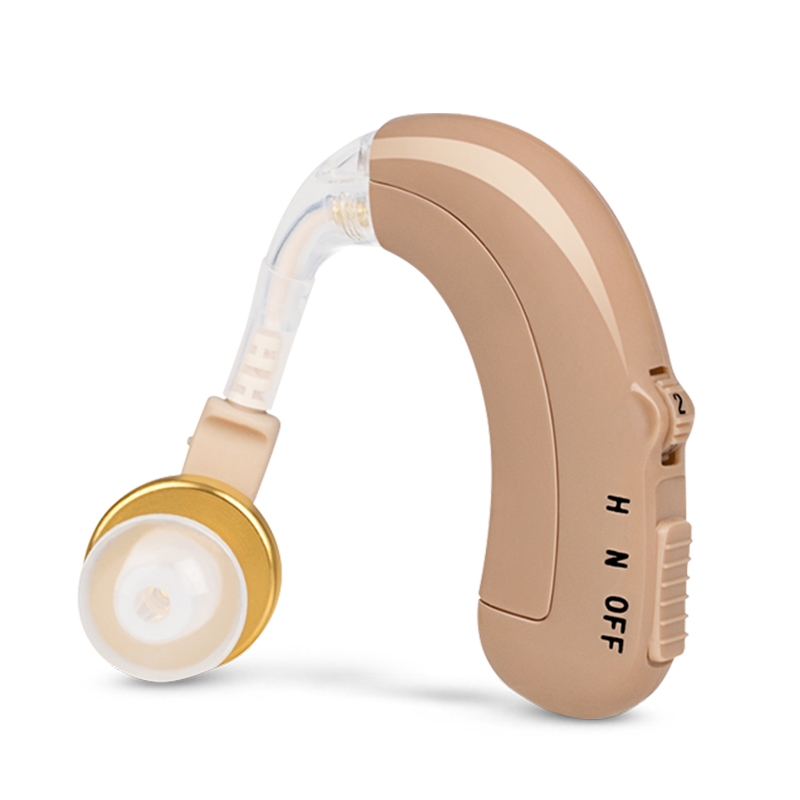
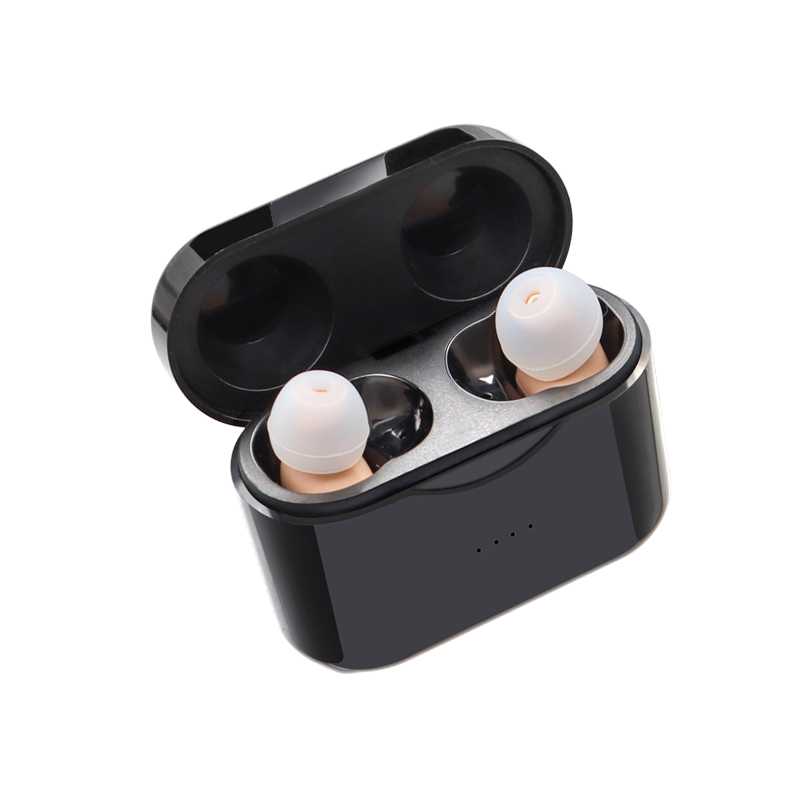
Give them a closer look. Kids love to explore with their hands. Though you’ll want to keep curious little fingers from tinkering with your devices, you can appeal to their curiosity by letting them hold a hearing aid in their hand. Point out the microphone, receiver, etc., and describe how all the different parts work together to process and amplify sounds.
Practice safety. Hearing aids have tiny parts that can easily be damaged, misplaced or swallowed. Practice these safety tips when you’re educating children about hearing aids:
- Make it clear that hearing aids are not toys and will only work for your ears.
- When they aren’t in your ears, keep hearing aids stored out of reach in a case or humidifier.
- Store hearing aid batteries out of reach to prevent small children from sticking them in their ears or swallowing them. If a child swallows a battery, call the 24-hour National Battery Ingestion Hotline at 202-625-3333 immediately.
- Protect hearing aids during bath time, at the pool and anywhere else they may come in contact with water or liquids.
Additional hearing loss resources
Here’s a list of books, videos and websites where kids can learn more about sounds and hearing health.
Books for kids about hearing loss:
● Sounds All Around by Wendy Pfeffer
● The Ear Book by Al Perkins
● I Listen by Cheri J. Meiners, M.Ed.
● Gracie’s Ears by Debbie Blackington
● Mila Gets Her Super Ears by Ashley Machovec
Videos for kids about hearing loss:
● How Ears Work (via kidshealth.org)
● Hearing Loss Simulation
● Behind the Tech: How Does a Hearing Aid Actually Work?
Website for kids about hearing loss:
● noisyplanet.nidcd.nih.gov/