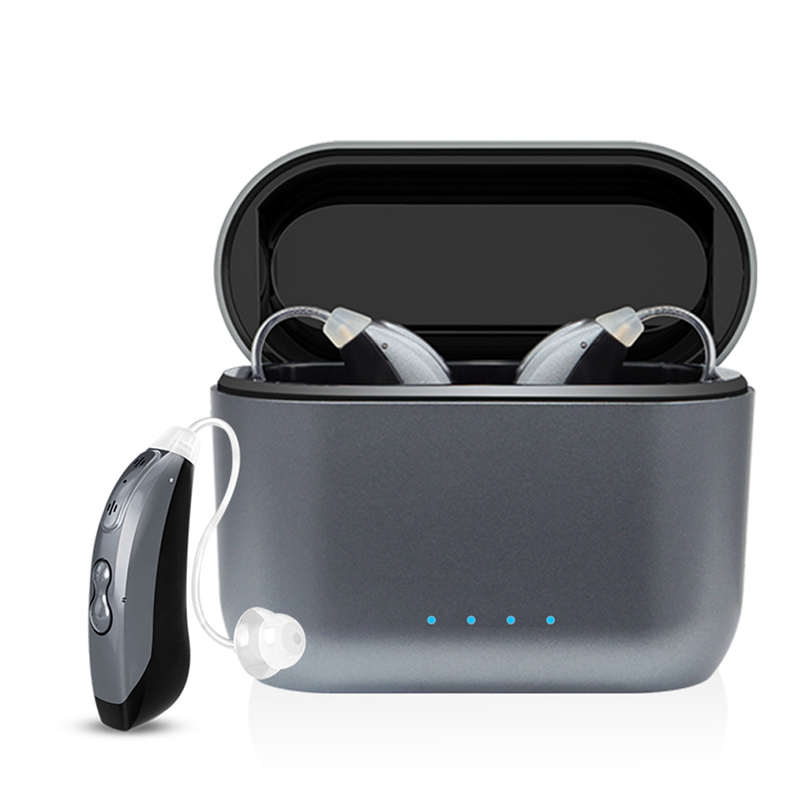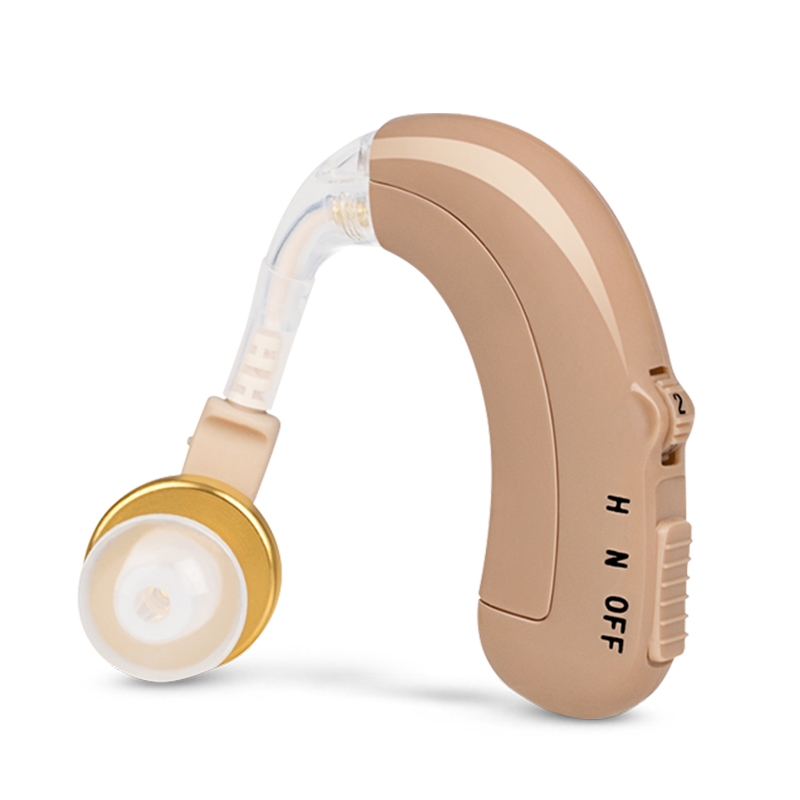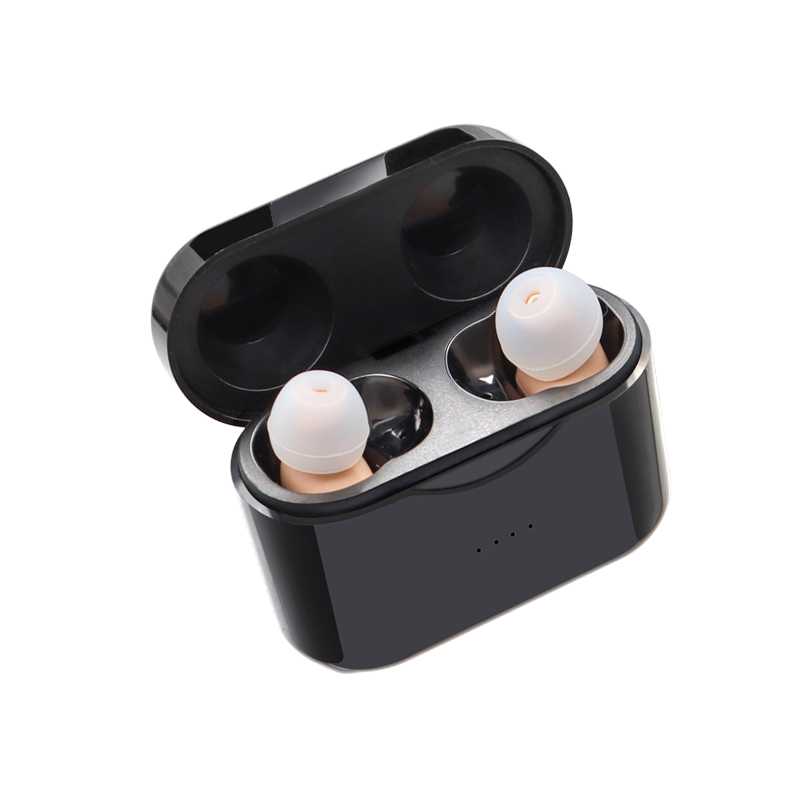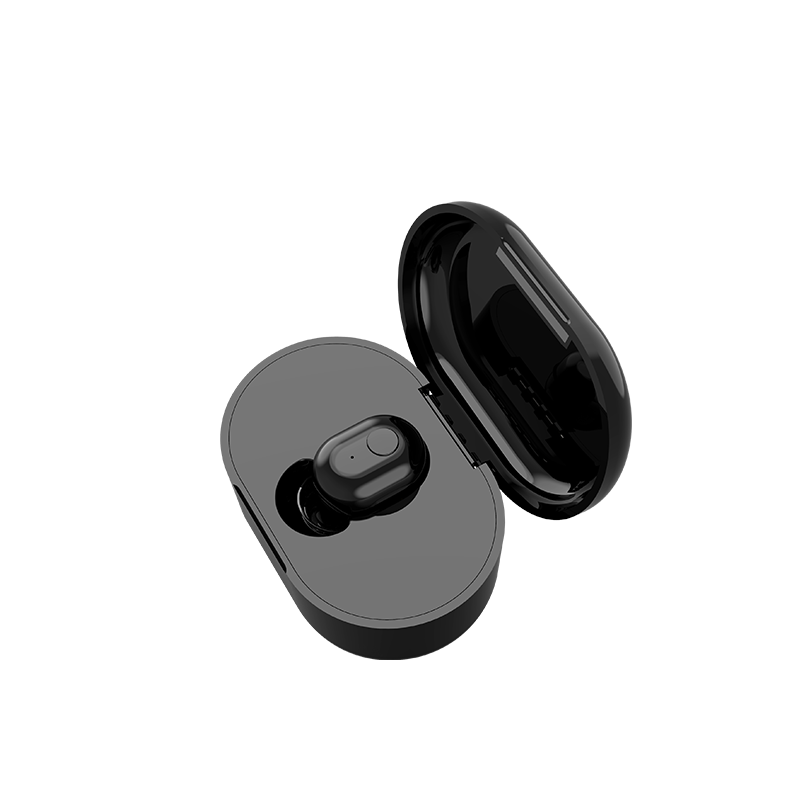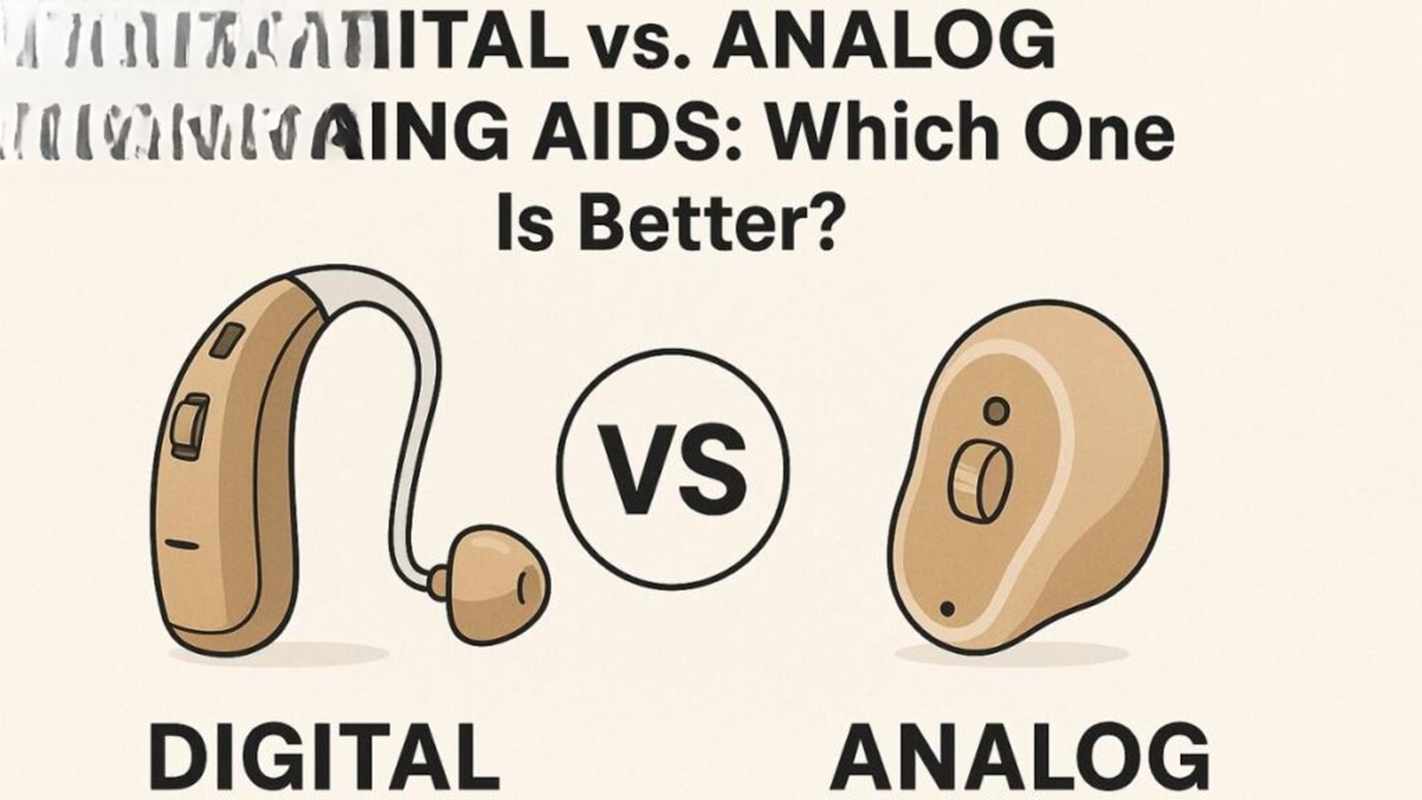
Hearing aids have transformed the lives of millions by improving their ability to hear and communicate with ease. Whether it’s a parent missing conversations, a grandparent struggling to enjoy family gatherings, or even a young adult with hearing challenges, the right hearing aid can make a world of difference. But with so many options available today, one common question arises: Digital vs. analog hearing aids— which one is better?
The answer isn’t one-size-fits-all. It depends on several personal factors like your degree of hearing loss, lifestyle, budget, and how comfortable you are with using technology. Digital hearing aids come with advanced features and customization options, while analog ones are simpler and more budget-friendly.
In this blog, we’ll break down the difference between digital and analog hearing aids in simple terms. We’ll compare their pros and cons, price differences in India, sound quality, and usability to help you make an informed decision. Whether you’re buying a hearing aid for yourself or a loved one, this guide will clarify which type suits your needs best.
Digital vs. Analog Hearing Aids: Side-by-Side Comparison
Here’s a simple table to help you see the difference between digital and analog hearing aids:
Feature | Analog Hearing Aids | Digital Hearing Aids |
Sound Processing | Amplifies all sounds | Processes and filters sounds |
Customization | Minimal | Highly customizable |
Background Noise Filter | No | Yes |
Battery Life | Longer | Shorter (if using advanced features) |
Cost | Lower | Higher |
Connectivity | No | Bluetooth, apps, etc. |
Which One Is Better for You?
Choosing between analog and digital depends on:
- Type of hearing loss: Digital aids work better for complex or changing hearing loss.
- Age and ease of use: Seniors may prefer analog for simplicity.
- Lifestyle: If you’re active or attend social events, digital aids adjust better.
- Budget: Analog is more affordable, but digital offers more features.
Other options like Pocket Hearing Aids and RIC Hearing Aids also offer different styles and comfort levels. Always get a hearing test before choosing.
What Are Analog Hearing Aids?
Analog hearing aids are the traditional type of hearing devices. They work by increasing the volume of all sounds around you, both speech and background noise.
Features of Analog Hearing Aids:
- Amplify all sounds equally.
- Simple to operate
- Often more affordable
- Fewer settings and adjustments
Pros:
- Cost-effective
- Easy for seniors to use
- Long battery life
Cons:
- No noise filtering
- Be. Cannot customize to different environments
- Becoming outdated
What Are Digital Hearing Aids?
Digital hearing aids are the latest type. They use computer chips to analyze and process sounds. This helps in separating speech from noise and allows better clarity.
Features of Digital Hearing Aids:
- Automatically adjust volume
- Noise cancellation
- Bluetooth and wireless connectivity
- It can be fine-tuned by audiologists
Pros:
- Clearer sound
- Adaptable to different environments
- Smart features like app control
Cons:
- More expensive
- Requires professional setup
Key Components of Hearing Aids
Both analog and digital hearing aids share some common parts:
Component | Function |
Microphone | Picks up sounds from the environment |
Amplifier | Increases the volume of sounds |
Receiver | Sends the amplified sound into the ear |
The difference lies in how the amplifier processes the sound.
Price Comparison in India
Prices vary based on brand, model, and features. Here’s a general comparison:
Type | Price Range (INR) |
Analog Hearing Aids | ₹10,000 – ₹20,000 |
Digital Hearing Aids | ₹25,000 – ₹1,50,000+ |
Digital models cost more due to features like Bluetooth, rechargeability, and noise reduction.
Pros and Cons Summary
Type | Pros | Cons |
Analog | Budget-friendly, simple, durable | Noisy, no customization |
Digital | Clear sound, smart features | Costly, needs setup |
Maintenance and Care Tips
Proper Hearing Aid Care and Maintenance is essential to ensure optimal performance and a long device life. Follow these easy steps to keep your hearing aids in great shape:
- Clean your hearing aids regularly: Use a soft, dry cloth or the cleaning tools provided to remove earwax and debris. Avoid using water or cleaning solvents.
- Store in a dry place: Moisture can damage internal components. Use a dehumidifier or a dry box, especially in humid climates.
- Replace batteries as needed: Weak batteries affect sound quality. Keep spare batteries handy and check the charge regularly.
- Handle with care: Avoid dropping your hearing aids and store them in their case when not in use.
- Get professional servicing every 6–12 months: Schedule routine check-ups with your audiologist to ensure everything is functioning correctly.
- Check the microphone and receiver openings: Keep them free of blockages for consistent sound performance.
Expert Tips on Choosing the Right Hearing Aid
- Always get a hearing test before purchasing: Start with a professional hearing test to understand the level and type of hearing loss. This helps you select the model that suits your specific needs.
- Try demo models if possible: Before buying, ask your audiologist for demo hearing aids. Trying them helps you check comfort, fit, and how well they perform in different environments.
- Compare features and prices: Different models come with features like noise reduction, Bluetooth, and rechargeability. Compare these with the digital hearing aids prices in India to find a device that fits your needs and budget.
- Ask about warranty and service: Choose brands or providers that offer a solid warranty and after-sales service. Regular check-ups and support are important for long-term satisfaction.
- Look for EMI or insurance support: Hearing aids can be costly, especially digital ones. Look for providers offering EMI plans or insurance coverage to ease the financial burden.
Conclusion
So, which digital vs. analog hearing aid is better? The answer depends on your needs. Digital aids offer better sound quality and smart features, while analog aids are simple and cost-effective. Understanding your hearing condition, lifestyle, and budget will help you choose the right device. Always consult an audiologist before buying.
Today, you can choose from various styles like Pocket Hearing Aids for ease of use and affordability or RIC Hearing Aids (Receiver-in-Canal) for a more discreet and comfortable fit. With so many choices available, use this guide to compare models and find what works best for you.