This article discusses how to protect your hearing aids and pets from potential hazards, emphasizing the importance of proper storage to prevent pets from swallowing batteries or damaging devices. It advises keeping hearing aids in a consistent, elevated, cool, and dry place, removing batteries nightly for drying and longevity, and securely storing batteries to avoid pet access. The article also highlights safe battery disposal methods, such as recycling or hazardous waste centers, depending on the battery type (zinc, mercury, lithium-ion). Additionally, it outlines signs of a pet ingesting a battery, including refusal to eat or drink, excessive drooling, inflamed tongue, and pain, urging immediate veterinary consultation if suspected. Prevention measures are stressed to safeguard both pets and hearing aids.

Do you have a dog, cat, or other furry friend running around your home? If so, you probably already know small objects can quickly disappear as they get knocked around, pushed off, or even chewed or eaten. While it’s never fun to find out one of your prized possessions is damaged, a lost hearing aid can be one of the worst discoveries. Here’s how you can keep your hearing aids (and pets) safe.
How to keep your hearing aids safe
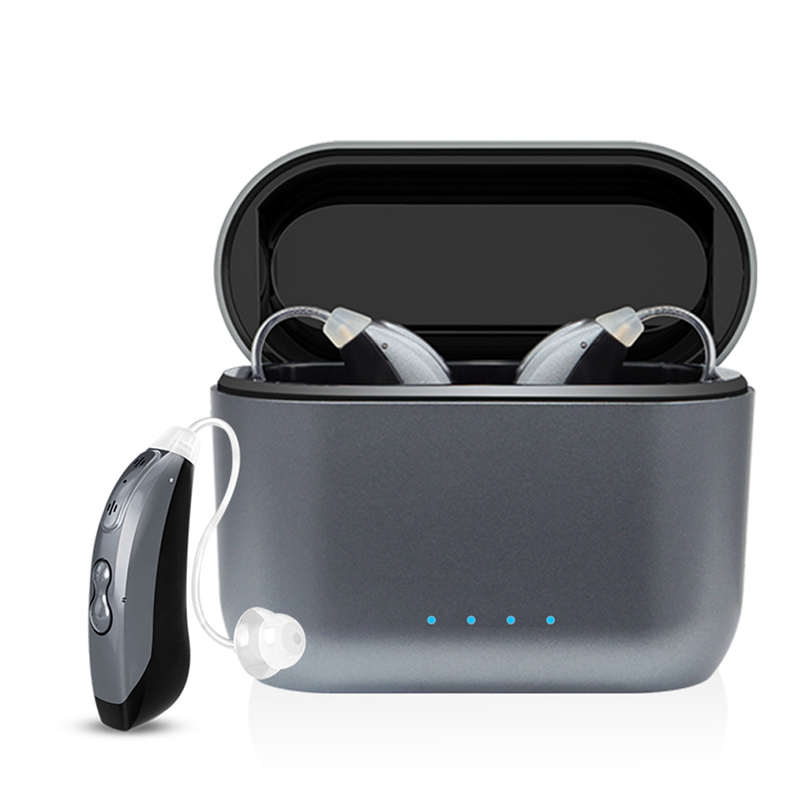
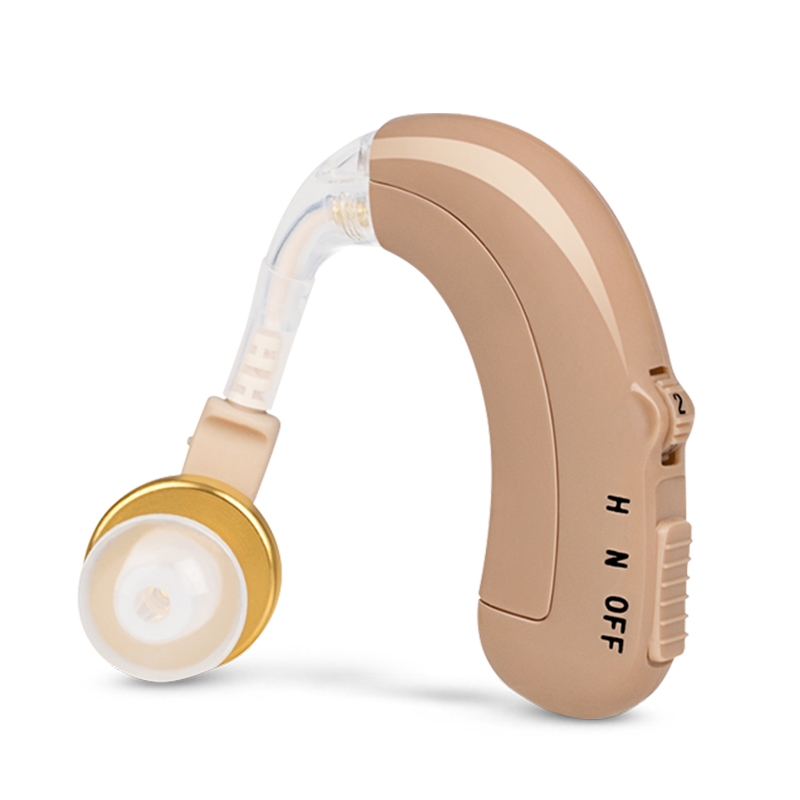
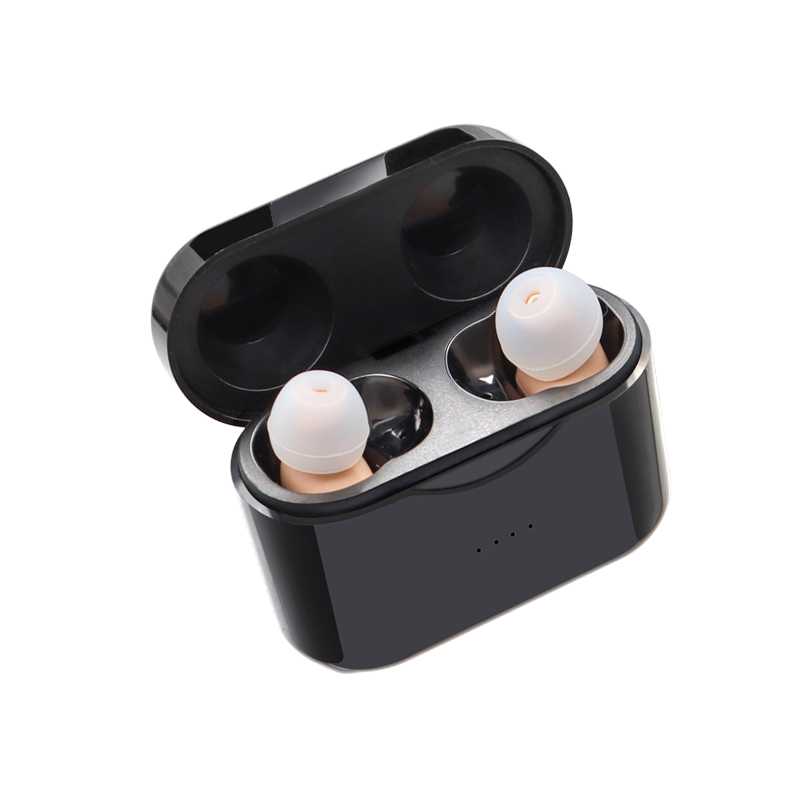
In general, you should keep your hearing aids in the same place when they are not in your ears. This is especially helpful so you know if they’ve gone missing. If a pet swallows a hearing aid with batteries, you will want to know immediately so they can get emergency care. When picking a location for your hearing aids, find somewhere safe that is high enough off the ground so it cannot be accidentally swiped by a tail or paw. You should also keep them in a cool, dry place to ensure the batteries don’t get wet from humidity. That means the bathroom isn’t ideal, nor is a refrigerator or spot directly in the sunlight. Hearing aid batteries should also be removed every night to allow the hearing aids to dry out (if there is any moisture) and get the most life out of the batteries. With all the pieces separated, there is a higher likelihood of one piece going missing. Ensure your pet can’t chew a battery by placing them in a drawer, case, or jewelry box. It’s also incredibly important to dispose of used batteries in the proper manner, especially if you have a curious pet who likes to rummage through the trash. If you have a zinc battery, take it to a recycling center or mail it to Audicus for us to recycle. If you have a mercury battery, take it to a hazardous waste center. If you have a lithium-ion battery (often used in rechargeable batteries), take it to a recycling center as well. If you aren’t sure, ask an audiologist or support specialist or call the store where you purchased the battery. Even if you can no longer use the dead battery, it still contains materials that are hazardous if consumed by a pet.Signs your pet ate a hearing aid battery
If you are concerned your pet may have eaten a hearing aid battery, look for the following signs in your pet:- Won’t eat or drink, or seems unable to swallow
- Vomits or drooling more than usual
- Inflamed, red tongue and dull grey color to skin
- Whimpers of pain
By: Diana Ford
Sources: PetFinder The above is the interpretation of Are Your Pets a Danger to Your Hearing Aids? provided by Chinese hearing aid supplier Shenrui Medical. Link https://www.srmcm.com/Blog/Are_Your_Pets_a_Danger_to_Your_Hearing_Aids.html of this article is welcome to share and forward. For more hearing aid related information, please visit Blog or take a look at our Hearing aids products