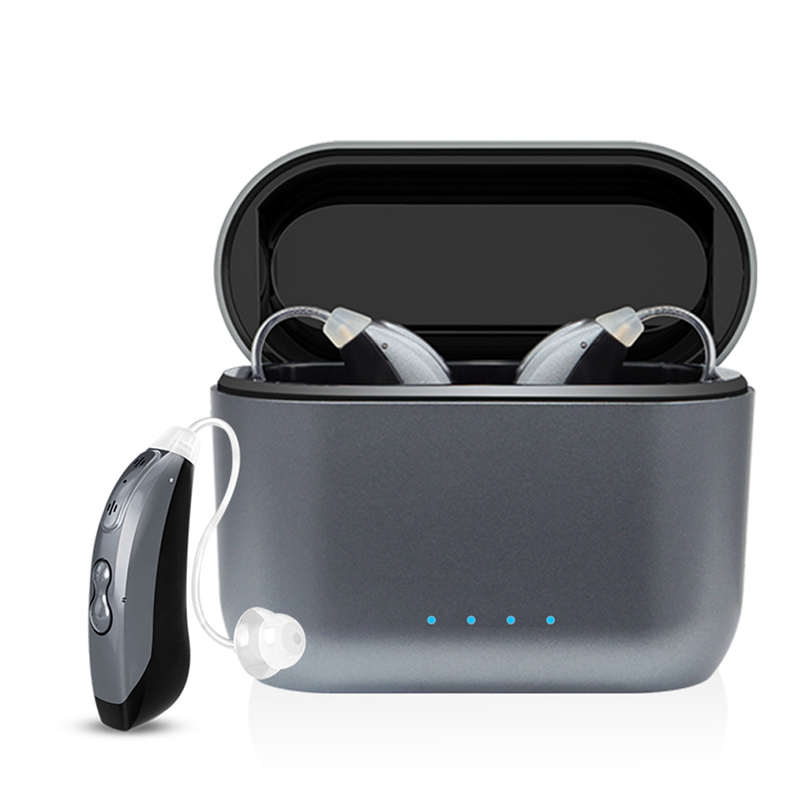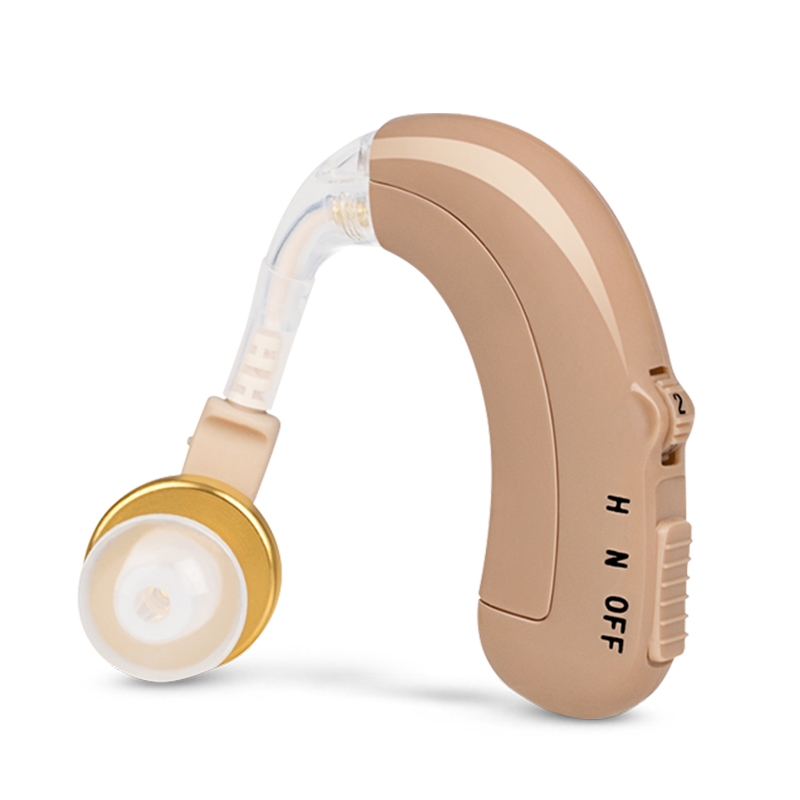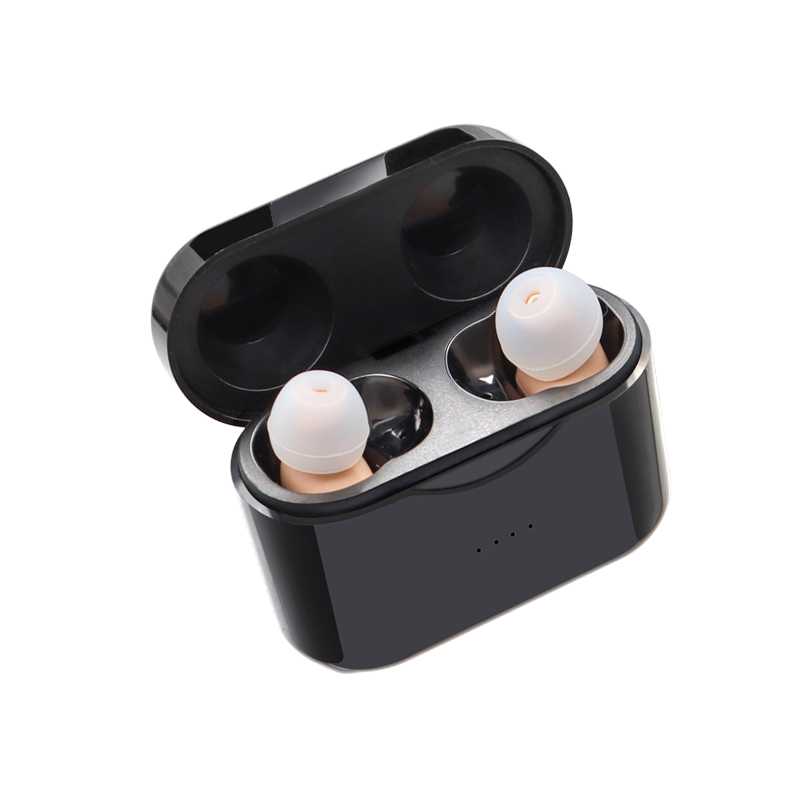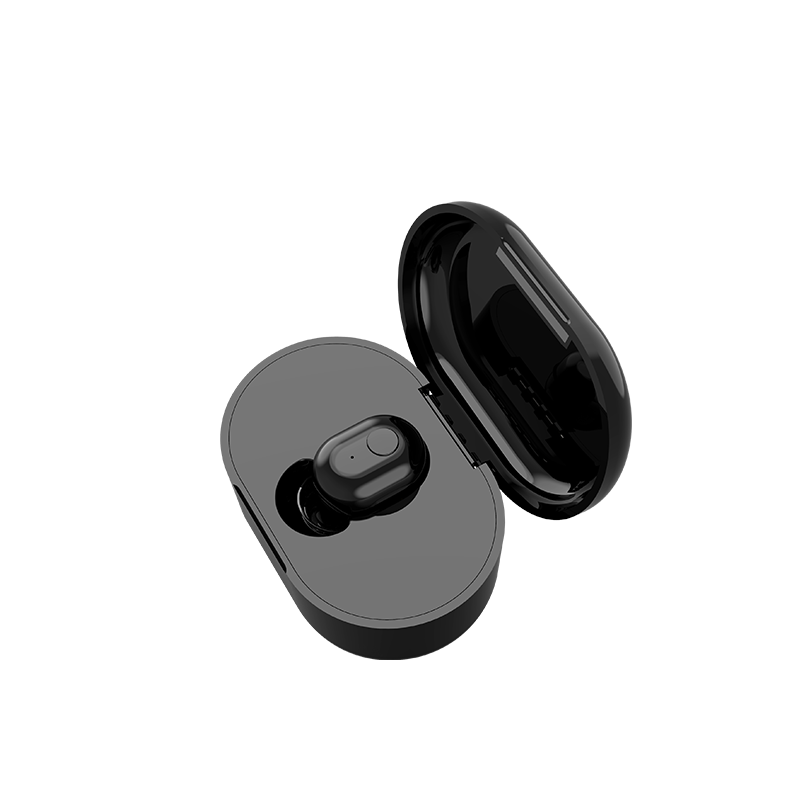
Hearing aids are so much more than just small devices you put into your ears every day: they serve as powerful tools to connect you to the people and things you love most. Even better? Wearing hearing aids can also have a positive effect on your physical and mental health. Learn more about how hearing aids can benefit your hearing and whole body health.
Hearing loss of all degrees is associated with numerous health conditions, including dementia, heart disease, diabetes and mortality. Previous hearing aid research has found that untreated hearing loss can lead to a shortened lifespan, but whether or not wearing hearing aids could be a useful treatment to improve life expectancy was unexplored.
In a January 2024 study titled “Association between hearing aid use and mortality in adults with hearing loss in the USA,” researchers attempted to find evidence that hearing aids can improve life expectancy in those who wear them. Studying a group of nearly 10,000 adults of varying degrees of hearing loss and hearing aid use, researchers reviewed hearing tests and compared them against death rates. Researchers found that for individuals in the study who lived with hearing loss and wore their hearing aids regularly, their mortality risk was lower compared to people with hearing loss who never wore hearing aids and those who wore them irregularly. In short: regular hearing aid use was associated with a lower risk of mortality.
While this study does offer exciting new insights into improving life expectancy for people with hearing loss, more information is needed to fully understand the link between hearing aid use and improved life expectancy, and why exactly hearing aids improve health outcomes. Still, studies like these help highlight the benefits of hearing aids as a treatment option with benefits that extend beyond the ability to hear.
Do hearing aids improve hearing, really? Similar to how eyeglasses or contact lenses are tools that can be used to improve your eyesight, hearing aids can improve your ability to hear the world around you. But unfortunately, they can’t restore natural hearing (in the same way that glasses don’t restore 20/20 vision—you’re still near- or far-sighted when you remove your glasses).
Why is that? Sensorineural hearing loss—the most common type of hearing loss—occurs when the sensitive structures of the inner ear are damaged. This can be the result of repeated exposure to loud noises, aging or certain medications, and is generally irreversible. This means that once your hearing begins to deteriorate, it can’t be fully restored and you may be unable to hear sounds below a certain decibel level. However, hearing aids work by amplifying sounds that you wouldn’t otherwise be able to hear with your hearing loss.
While they might not be able to fully restore your ears to normal hearing, hearing aids can improve your ability to hear sounds and voices you’d otherwise miss and better connect you with the world around you.
Hearing and balance go hand in hand, which is why hearing aids can help with balance issues. This correlation is due to one part of the body: the inner ear. The inner ear is composed of three parts: the cochlea, labyrinth or semicircular canals, and the vestibular system. The vestibular system is largely responsible for balance and sends electrical signals to the vestibular nerve, which joins with the cochlear nerve to carry the signals to the brain.
This close connection means that people who experience hearing loss due to a problem in the inner ear are also at a greater risk of feeling unsteady on their feet, experiencing vertigo or falling. The risk of falling, as well as its associated injuries, is higher for older adults with hearing loss.
However, researchers are still exploring whether hearing aids can be an effective treatment not only for addressing hearing loss but also for improving balance. A 2022 review of multiple peer-reviewed scientific studies found that while there is evidence that hearing aids can help with improving balance, further research is needed. Many factors come into play—whether a person is standing or moving, what kind of surface they are on, whether they wear hearing aids regularly or occasionally, what the degree of hearing loss is, and more—which makes it more challenging to land on a definitive answer that applies across the board.
So, do hearing aids help balance? While research continues to evolve, there are some promising signs that regularly wearing hearing aids can be a positive action toward maintaining balance and reducing your risk of falls and injury.
Studies have also found a correlation between hearing loss and the development of dementia, or cognitive decline, in older adults. This connection has led to research into whether hearing aids could help slow cognitive decline. In a September 2023 study, researchers studied nearly 1,000 adults between the ages of 70 and 84 with substantial hearing loss to compare the rate of cognitive decline over a three-year period for those who did and didn’t wear hearing aids.
Some participants had higher risk factors for dementia, including being older and having faster rates of mental decline. Half of the participants received hearing aids and the other half were assigned a health education program designed to promote healthy aging, with researchers following up every six months to track their training. Before and after the study, participants took numerous tests to measure their cognitive function.
The results delivered some interesting findings. The hearing aids and dementia study found that, in looking at the entire group, there was no difference in the rate of cognitive change between those who did and didn’t have hearing aids. However, when the analysis was narrowed to the people who had a higher risk of dementia, there was nearly a 50% reduction in the rate of cognitive decline among people who received hearing aids compared to their counterparts who did not.
While studies like this are very promising, it’s important to also take into account those other risk factors at play for developing dementia and other factors that can improve healthy aging. Research is ongoing, but there is hope that hearing aids could be an additional tool in combating cognitive decline and dementia in older adults.
Listening fatigue refers to the mental, physical and emotional exhaustion from overextending the brain to hear. Most people with hearing loss experience listening fatigue at some point and it can be an early sign of hearing loss. Hearing aids can help decrease this exhausting condition, allowing you to comfortably rejoin conversations, even in noisy environments, to fully enjoy time with friends and family.
Research backs this up. A January 2021 study explored the possibility that hearing aids could be an effective treatment for alleviating hearing fatigue. Half of participants who had hearing loss were fitted with their first pair of hearing aids and the other half with hearing loss continued to wear their current hearing aids. Researchers conducted a series of tests at two weeks, three months and six months post-hearing aid fitting, measuring participants’ fatigue levels; their listening effort; their hearing loss level; how they listen; their socialization abilities and how their hearing loss affected their work, physical activity and social lives.
Their results found that being fitted with hearing aids led to a significant reduction in listening fatigue. Social engagement also improved, and participants reported feeling that their hearing was less of a restricting factor in their social lives.
Hearing loss shouldn’t keep you away from valuable time with family, friends and loved ones. Hearing aids can improve quality of life, especially social life, so you can listen easily and participate in conversations.
The above is the interpretation of Beyond Hearing: The Unexpected Benefits of Wearing Hearing Aids provided by Chinese hearing aid supplier Shenrui Medical. Link https://www.srmcm.com/Blog/Beyond_Hearing_The_Unexpected_Benefits_of_Wearing_Hearing_Aids.html of this article is welcome to share and forward. For more hearing aid related information, please visit Blog or take a look at our Hearing aids products