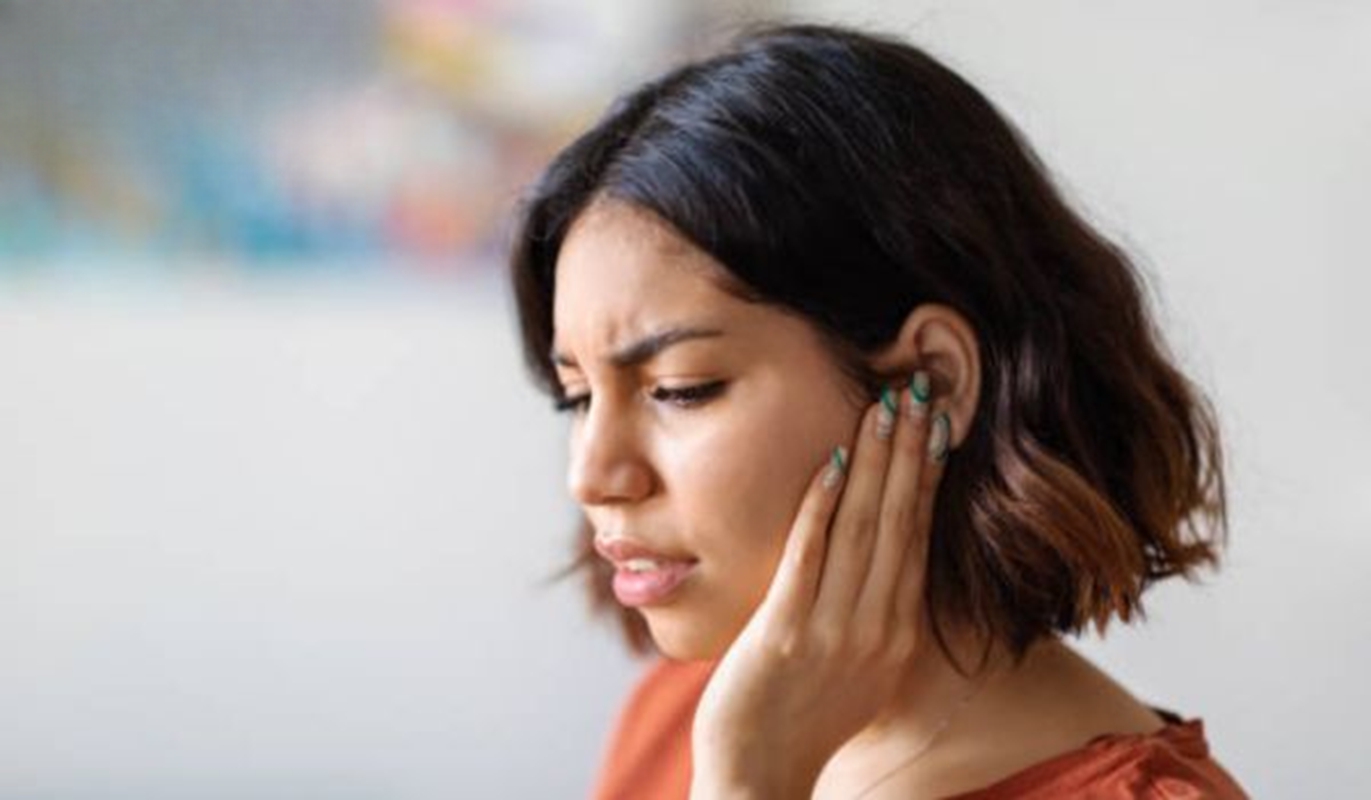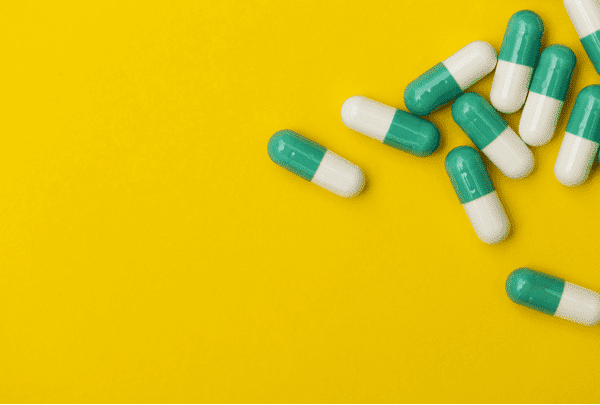
Did you know there's a strong link between antibiotics and hearing loss? Unfortunately, a recent study from the Oregon Hearing Research Center proved that particular antibiotics produce a greater risk for cochleotoxicity—an injury to the cochlea—which is a type of ototoxicity, or injury to the ear.
In particular, these scientists studied a type of antibiotic known as aminoglycoside antibiotics. These antibiotics are generally difficult for the body to absorb through standard ingestion, so doctors most often administer using an IV.
How antibiotics work
According to an article published in the Archives of Disease in Childhood – Education and Practice Edition, aminoglycosides are commonly prescribed bacterial antibiotics that cover a large spectrum of infections such as cystic fibrosis, and tuberculosis. They are most likely to be prescribed to children and are an umbrella term for a variety of drugs. The drug featured in the Oregon Hearing investigation was gentamicin.
Researchers tested mice to see if they experienced cochleotoxicity after being injected with aminoglycosides. The scientists determined that using the aminoglycosides resulted in a greater threat of drug-induced cochleotoxicity, as well as a greater chance of fighting infection. As the antibiotic fights infection, it has the side effect of attacking sensory hairs within the ear. Once these cells are damaged, they cannot be repaired, thus causing permanent hearing loss.
Who is affected by ototoxicity?
Healthy Hearing reports that 80%, or 480,000, of babies brought to the NICU (neonatal intensive care units) in a year are given aminoglycosides. A study completed at the Kresge Hearing Research Institute found that 20% of cases where aminoglycosides were injected resulted in hearing loss. This means around 16% of babies in the NICU will end up with hearing damage, but their lives will be saved!
The future of antibiotics and hearing loss
Now that we know there is a connection between antibiotics and hearing loss, we can attempt to formulate new options. Dr. Anthony Ricci (Ph. D) and Dr. Alan Chang (MD) from Stanford University are working to create a new form of aminoglycoside that can be used in children to fight infection while mitigating risk of hearing loss. Instead of treating diseases with drugs like gentamicin, they’re attempting to create a new drug that will decrease the chance of hearing damage.
Since 2008, they’ve created 18 options to try out, and so far three have advanced to the next round of testing. This challenging process may take a while to fully develop into a usable antibiotic, but the time and effort will certainly pay off if children’s hearing is no longer damaged.
By: Diana Michel
Sources: Science Advances, Medscape, NCBI, Healthy Hearing, Stanford
The above is the interpretation of Can Common Antibiotics Damage Your Ears? provided by Chinese hearing aid supplier Shenrui Medical. Link https://www.srmcm.com/Blog/Can_Common_Antibiotics_Damage_Your_Ears.html of this article is welcome to share and forward. For more hearing aid related information, please visit Blog or take a look at our Hearing aids products