Three-dimensional (3D) printing has revolutionized the production of digital hearing aids by enabling precise, customized ear molds that fit comfortably and almost invisibly. Traditional manufacturing required up to 10 steps, but with 3D printing, this process is simplified into scanning, modeling, and printing. Widex, a Danish hearing aid manufacturer, developed CAMISHA (Computer-Aided Manufacturing of Individual Shells for Hearing Aids), which uses laser scanning to create a digital image of the ear canal, refining it before instructing printers to build the ear shell layer by layer using acrylic resin. This method not only enhances efficiency—producing up to 80 shells at once—but also eliminates the need for buffing and complex assembly, with components like vents and tubing pre-integrated into the design. While CAMISHA hearing aids are costly, ranging from $1,000 to $3,000 per device, they offer advanced features such as remote noise cancellation. Audicus provides a more affordable
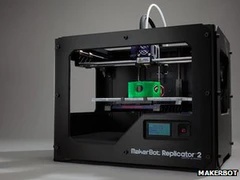
Digital hearing aids must fit exactly for maximum comfort. Advancements in technology harness the benefits of three-dimensional (3D) printing to make ear molds that fit snugly and correctly into the ear. With 3D printing, the current hearing aid fitting process of digital hearing aids may someday be completely eliminated.
3D: A Simple Way To Print Digital Hearing Aids
Three-dimensional printing creates 3D objects from computer-generated images. Inventors at Widex, a hearing aid manufacturer in Denmark, came up with a method to use 3D printing for the production of digital hearing aids that fit well, feel good, and are barely noticeable. Several hearing aid manufacturers use 3D printing, and all of the processes include the same basic steps: scanning, modeling, and printing. Contrast this to the 10 steps involved in traditional ear-mold manufacturing. The method Widex uses is called CAMISHA: Computer-Aided Manufacturing of Individual Shells for Hearing Aids. First, an impression is cast of the ear canal and placed in a laser scanner. The scanner produces digital images and sends them to the scanning computer for data analysis. The scanning computer constructs a single 3D digital image of the ear canal. At this point, the digital image can be tweaked for increased accuracy, for example, by getting rid of excess material from the impression. The measurements of the final digital image serve as instructions that are “printed” onto the material that will make up the actual ear shell. 3D printers contain pools of acrylic resin, a synthetic liquid that solidifies rapidly when exposed to light. Resin is subjected to lasers that build up 3D replicas of the digital ear canal image, layer by layer. The electrical components are then inserted into the ear shells.3D Print Digital Hearing Aids: Faster, Better, Smarter
Up to 40 to 80 different ear shells can be made in one production run, optimizing efficiency. Assembling CAMISHA shells is a simple process since the vent, wax-guard, and receiver tubing are already incorporated into the digital image. No buffing is required. A technician just needs to drill a hole for the vent opening. Today, the CAMISHA technology is used for 95% of in-the-ear hearing aids. It was recently featured on CNN’s Make, Create, Innovate. One of the benefits of this hearing device is that it comes with a remote that allows the wearer to cut out background noise while at home. The CAMISHA hearing aids are expensive though, ranging from $1,000 – 3,0000 per device. Audicus offers a Bluetooth, remote-controlled hearing aid, the Spirit, as an affordable alternative to more costly devices. Read more about digital hearing aids.by Estie Neff
The above is the interpretation of Can Hearing Aids Be 3D Printed? provided by Chinese hearing aid supplier Shenrui Medical. Link https://www.srmcm.com/Blog/Can_Hearing_Aids_Be_3D_Printed.html of this article is welcome to share and forward. For more hearing aid related information, please visit Blog or take a look at our Hearing aids products