People who have been diagnosed by a Doctor of Audiology with a hearing problem will sooner or later, be fitted for a hearing aid. But, as hearing aids and professional services will vary significantly in cost and quality, savvy patients will want to be sure they choose the right provider and hearing aid for themselves.
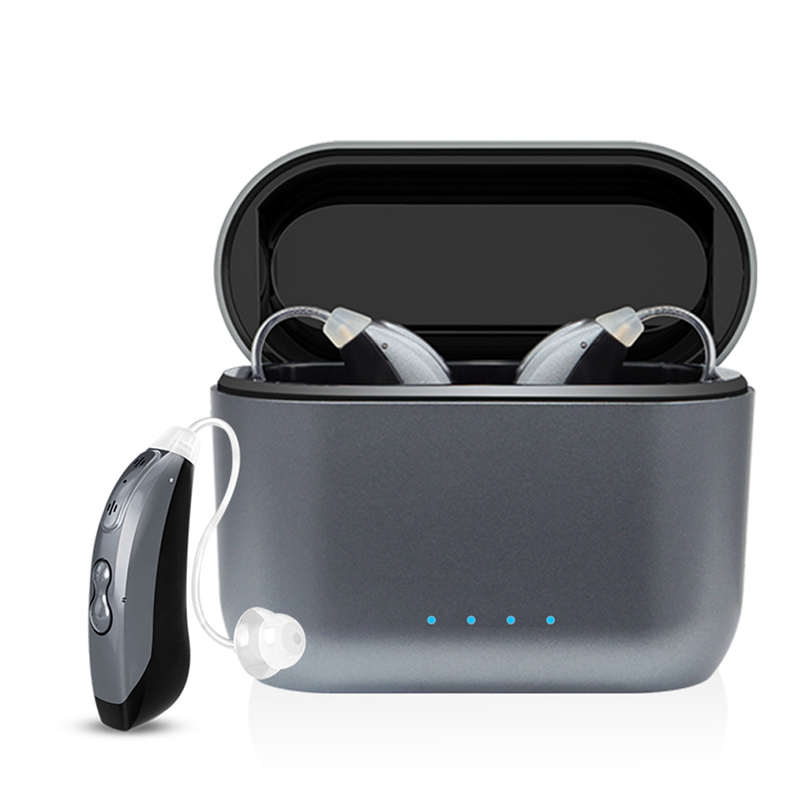
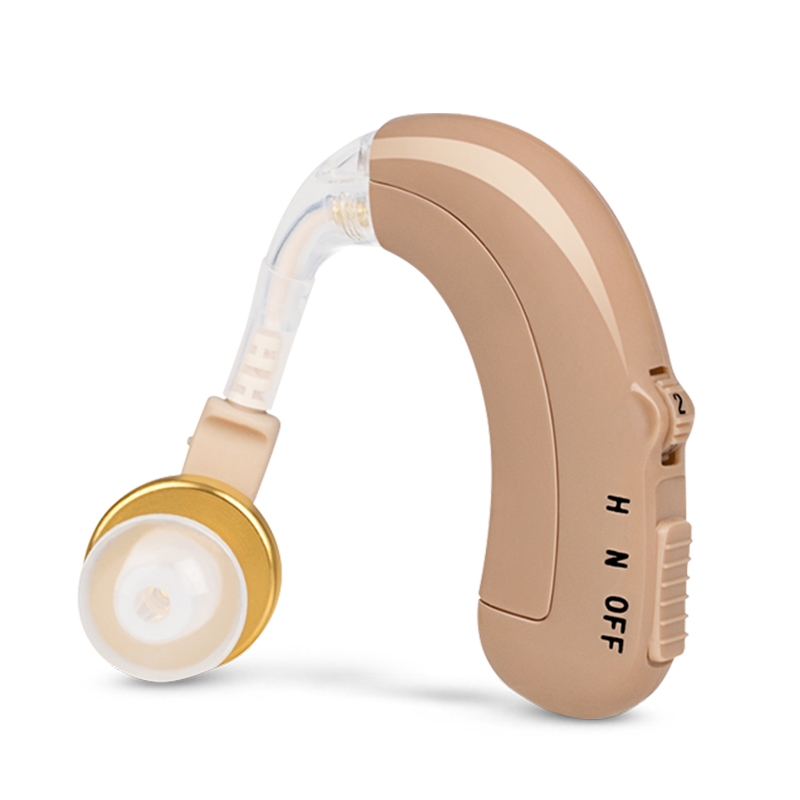
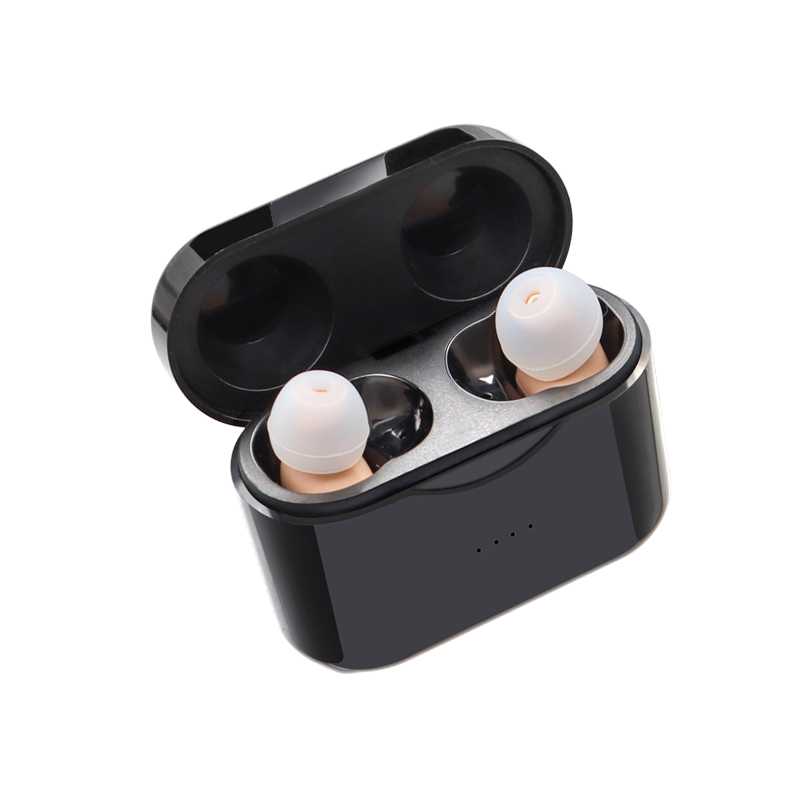
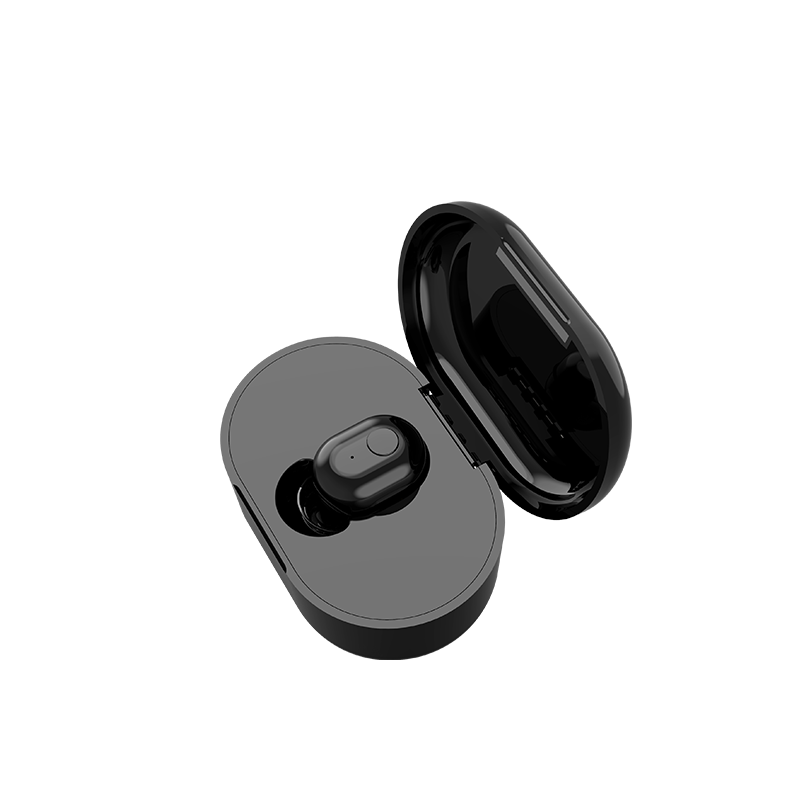
There are essentially two styles of modern hearing aid, the first is a hearing aid that fits inside the ear canal itself. It’s called a completely-in-canal hearing aid (CIC hearing aid). The second, behind-the-ear hearing aid (BTE hearing aid), in which the control unit sits behind the outer ear and is connected to a small, discreet wire, which fits into the ear.
A hearing aid collects sounds from the environment via a microphone. Some sophisticated hearing aids use multiple microphones. Using a miniature computer chip, sounds are converted into digital code, and the computer chip analyzes and adjusts the sound based on your hearing loss, listening needs, and the level of the sounds around you. The hearing aid then converts the digital sounds back into sound waves and delivers them to your ears through tiny speakers.
Naturally, consult your Doctor of Audiology, but besides personal preference, there are some distinct differences.
In-canal hearing aids can be discreet so people who have short hair, in particular, may prefer them. If you are a doctor that uses a stethoscope, an in-canal hearing aid might be more comfortable.
In-canal hearing aids can be smaller than behind-the-ear hearing aids, but the advantages and disadvantages are an open mix. For those with dexterity problems, in-canal hearing aids might be easier to put on than a behind-the-ear type. However, due to the size, in-the-canal hearing aids can be limited in terms of the level of technology they offer.
Also, the batteries of the in-canal hearing aids can be much smaller, so again, those with limited dexterity will have an easier time changing their hearing aid batteries on their behind-the-ear hearing aid.
The biggest difference, however, is that in-canal hearing aids can sound a little like your ears are slightly plugged. Most people get used to this “plugged” effect, but it can be quite bothersome to others.
Owing to their discreteness, in-canal hearing aids might seem like the right choice, but behind-the-ear hearing aids offer a wider range of hearing amplification, are usually more flexible, and offer many more choices to hear better in noise, connect to your smartphone, or stream the sound from your television directly to your ears. So depending on your diagnosed hearing loss (whether you’re struggling with moderate hearing loss or more severe hearing loss), your Doctor of Audiology will suggest options that are appropriate for your loss, your lifestyle, and your technology requirements.
In New York, the Doctors of Audiology at NYHD| Institute for Hearing and Balance offer complete pediatric as well as adult hearing assessment, and, if necessary, complete hearing aid fittings and care.
The Doctors of Audiology at their New York clinic note that hearing aids are not just a “put it on and forget it” device.” Those who are fitted for prescription hearing aids require expert care, an adjustment time, and follow-up appointments to be sure the devices are working at their maximum level.
You can contact them via their website at https://www.newyorkhearingdoctors.com/ or via telephone at (212) 784-6125.
The above is the interpretation of Choosing Between Completely-in-Canal and Behind-the-Ear Aids provided by Chinese hearing aid supplier Shenrui Medical. Link https://www.srmcm.com/Blog/Choosing_Between_Completely-in-Canal_and_Behind-the-Ear_Aids.html of this article is welcome to share and forward. For more hearing aid related information, please visit Blog or take a look at our Hearing aids products