Have you ever wondered if your hearing could be silently affecting your mental health? While most people associate hearing loss with aging or physical discomfort, few realize its deep impact on emotional and cognitive well-being. From triggering anxiety and depression to increasing the risk of dementia, untreated hearing loss can have far-reaching consequences on the mind. In today’s fast-paced world, where staying connected is vital for mental health, even mild hearing issues can lead to social isolation and emotional fatigue.
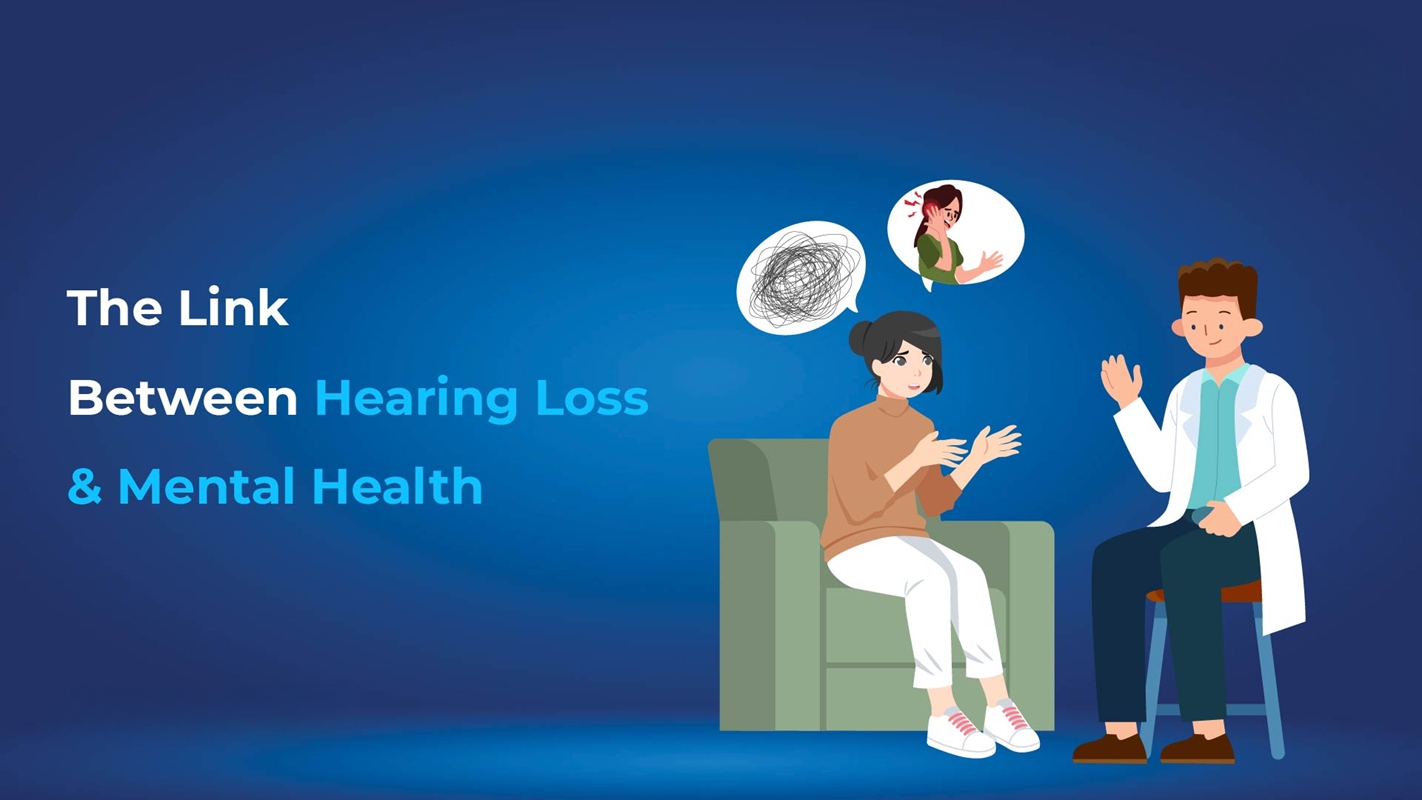
How Hearing Loss Can Trigger Anxiety, Depression, and Social Isolation
Emotional Impact:
- Hearing loss can lead to feelings of frustration, helplessness, and emotional fatigue.
- Every day conversations become difficult, leading to withdrawal from social interaction.
Mental Health Risks:
- Strong links between hearing loss and increased risk of anxiety and depression.
- Persistent communication challenges contribute to low self-esteem and mood disorders.
Social Isolation:
- People with hearing difficulties may avoid public gatherings or group conversations.
- Lack of social engagement can worsen feelings of loneliness and disconnection.
Fear and Anxiety:
- Uncertainty in noisy environments leads to social anxiety and stress.
- Fear of embarrassment or misunderstanding fuels further isolation.
Need for Awareness:
Recognizing the connection between hearing loss and mental health is essential. Seeking early help, like hearing tests or counseling, can break the cycle.
Why Early Detection of Hearing Issues Can Protect Your Cognitive Health
Brain and Hearing Link:
- Hearing loss increases risk of cognitive disorders like dementia.
- In return, the brain compensates for hearing deficits by overworking, causing mental fatigue.
Cognitive Overload:
- Struggling to process obscure sounds diverts attention from memory and thinking.
- Leads to poor focus, reduced decision making, and faster cognitive aging.
Social Withdrawal:
- Untreated hearing loss leads to reduced conversations and mental stimulation.
- This isolation is another factor in declining brain function.
Prevention Through Testing:
- Regular hearing tests (especially after age 40) detect early signs of damage.
- Early treatment keeps the brain active and engaged.
Protective Action:
- Using hearing aids and staying socially connected ensures mental clarity on the long run.
- Treating hearing loss early can delay or reduce the risk of cognitive disorders.
The Psychological Benefits of Wearing Hearing Aids Regularly
Better Communication:
- Hearing aids improve speech understanding in noisy and quiet environments.
- Enhances confidence and reduces frustration in daily interactions.
Emotional Wellness:
- Users report lower levels of stress, depression, and anxiety.
- Restored hearing boosts mood and increases motivation.
Cognitive Relief:
- Hearing aids reduce mental strain by helping the brain process sounds efficiently.
- Users have improved focus, less fatigue, and sharper thinking.
Social Reconnection:
- Wearing hearing aids encourages social participation and relationship building.
- It reduces feelings of loneliness and isolation.
Empowerment and Confidence:
- Taking control of hearing health leads to better self image and mental resilience.
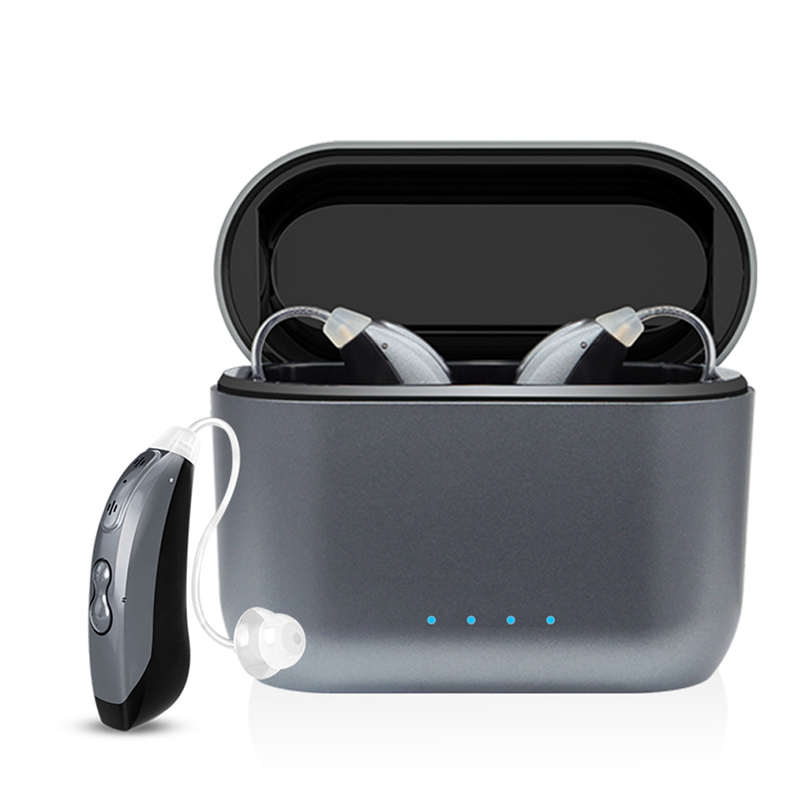
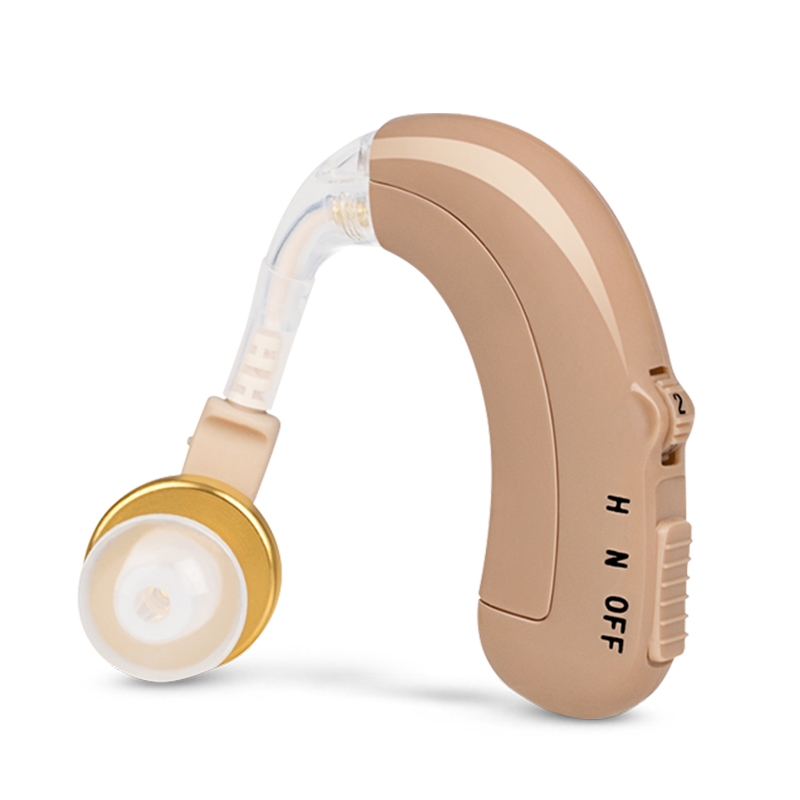
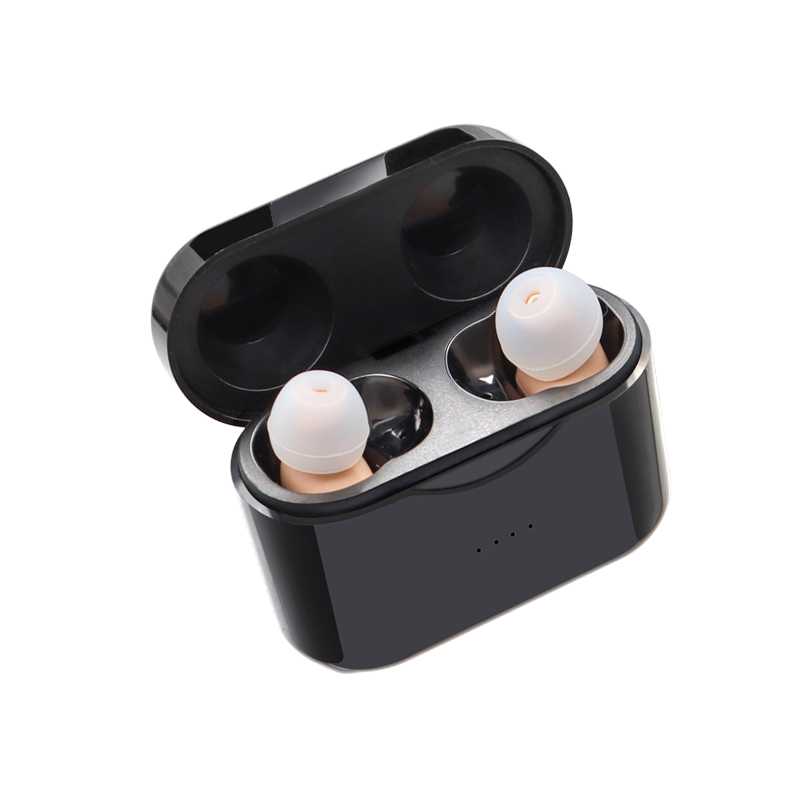
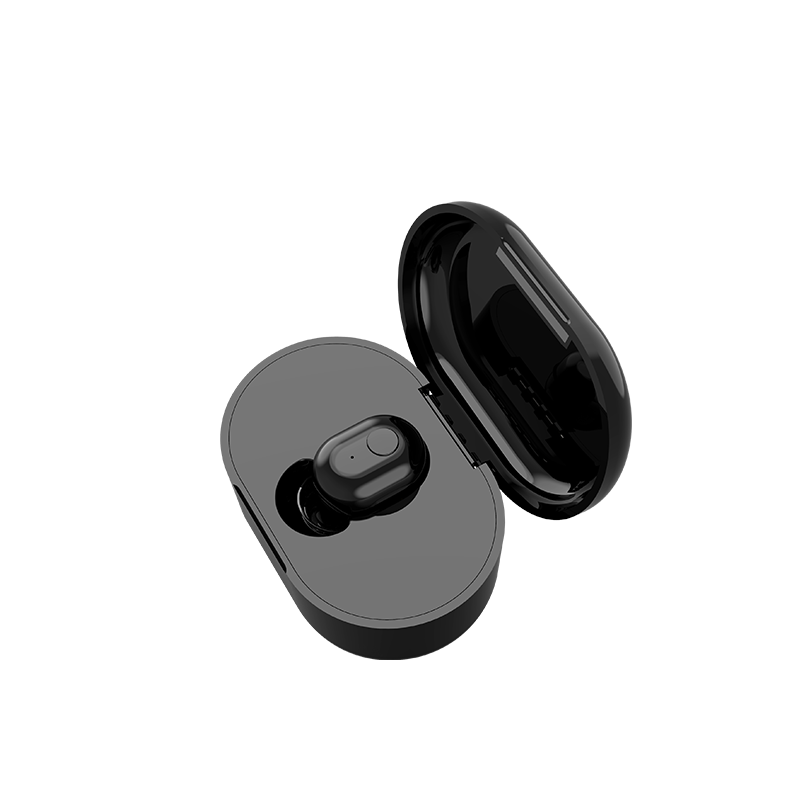
- Modern hearing aids are discreet, tech savvy, and lifestyle friendly making it the best solution for anyone who wants to stay connected without compromising on style or comfort.
Also Read: Presbycusis (Age-Related Hearing Loss)
Link Between Chronic Illness and Hearing Loss
Book Your Free Hearing Test The above is the interpretation of How Hearing Loss Impacts Your Psychological Health provided by Chinese hearing aid supplier Shenrui Medical. Link https://www.srmcm.com/Blog/How-Hearing-Loss-Impacts-Your-Psychological-Health.html of this article is welcome to share and forward. For more hearing aid related information, please visit Blog or take a look at our Hearing aids products