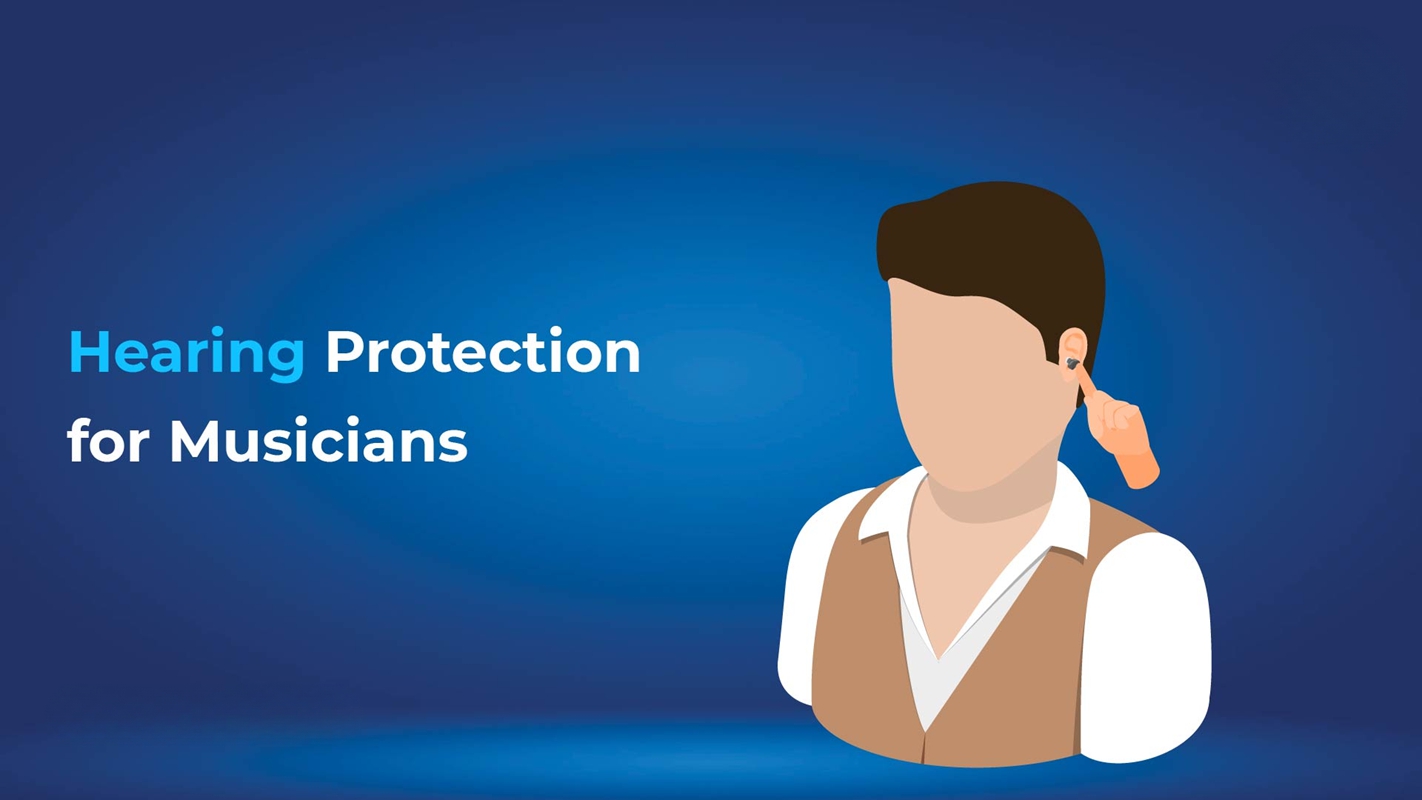
Top Hearing Protection Gear Every Musician Should Consider
Custom-Molded Earplugs
- Provide a personalized fit for maximum comfort
- Reduce harmful frequencies without compromising sound clarity
High-Fidelity Universal Earplugs
- Ideal for musicians who need balanced sound attenuation
- Affordable alternative to custom plugs
In-Ear Monitors (IEMs)
- Block stage noise while delivering a crystal-clear mix
- Crucial for drummers, vocalists, and live performers
Over-Ear Noise Reduction Headphones
- Great for producers and studio artists
- Offer active or passive noise cancellation
Electronic Earplugs
- Automatically adjust attenuation based on sound levels
- Ideal for dynamic live environment
Disposable Foam Earplugs
- Budget-friendly and effective for quick protection
- Less accurate sound, but good for backup use
How to Prevent Loud Music From Damaging Your Hearing
Exposure to over 85 dB can cause permanent damage.
- Rock concerts, drums, and amplified instruments often exceed 100 dB.
- Long-term exposure without protection leads to irreversible damage.
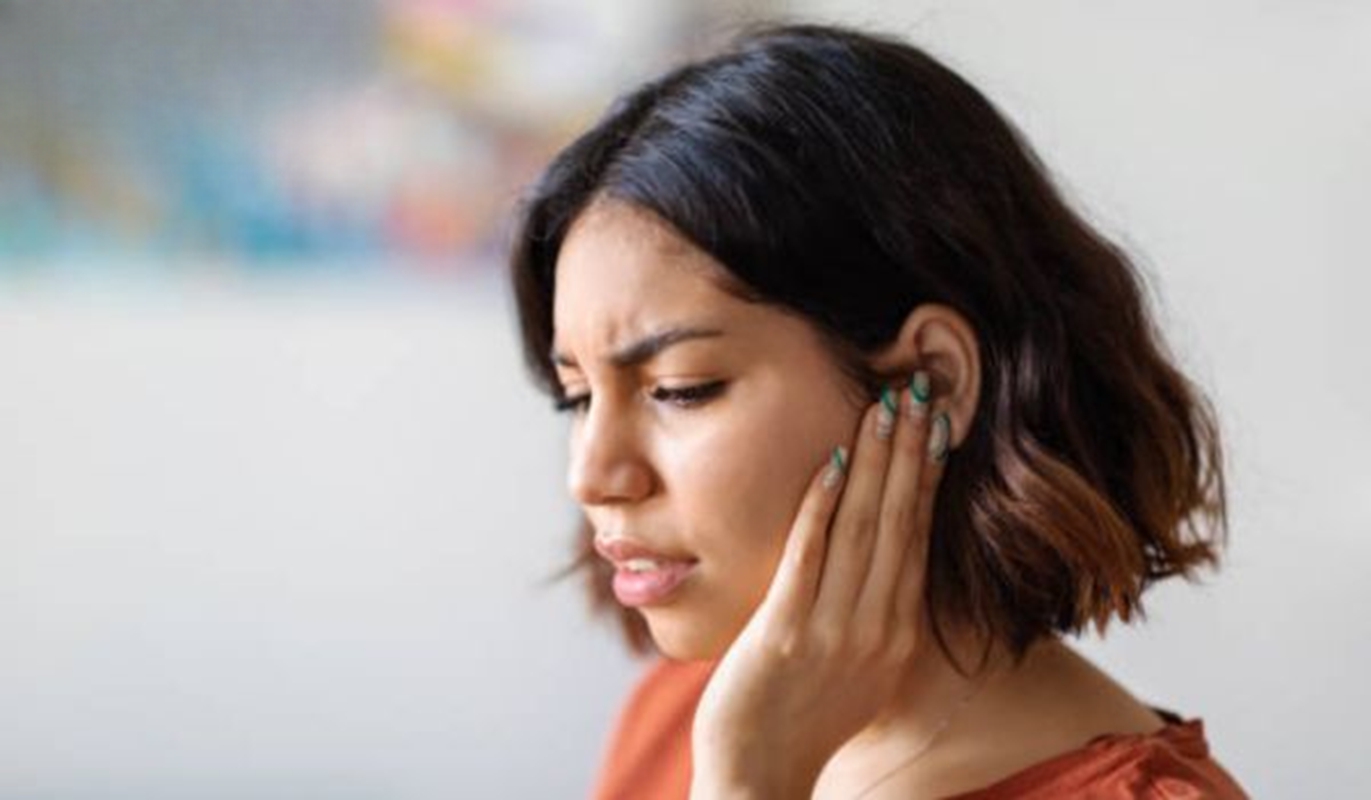
Tinnitus and ear fatigue are early warning signs.
- Persistent ringing in the ears post-performance signals damage.
- Frequent ear fatigue reduces performance accuracy.
Hearing loss can end music careers.
- Even mild hearing degradation affects pitch recognition.
- Impacts the overall sound balance during live mixing or studio work.
Preventive Tips for Musicians
Use proper hearing protection.
- Invest in high-fidelity or custom earplugs for accurate sound.
- Always use protective earbuds during rehearsals.
Take regular breaks during practice
- Helps ears recover from continuous sound exposure.
- 5 to 10 minutes every hour reduces strain.
Monitor sound levels.
- Use decibel meter apps or stage monitors with limiters.
- Keep rehearsal volumes below 85 dB when possible.
Limit Exposure to loud environments.
- Avoid loud clubs, concerts without protection.
- Your ears need rest even off-stage.
Schedule yearly audiologist checkups.
- Monitor your hearing health like you would your instruments.
- Early detection can prevent serious damage.
Top Tips for Safeguarding Your Hearing During Rehearsals and Live Performance.
Always use protective earplugs during live shows
- Use musician-grade earplugs during every performance.
Position yourself wisely.
- Stay away from amps and drum kits when possible.
- Use risers or acoustic panels to redirect sound.
Control your monitor mix.
- Keep personal monitor levels at the lowest necessary volume.
- Avoid cranking up your mix to overpower background noise.
Use acoustic treatment in practice rooms.
- Soundproofing reduces reflections and high-frequency harshness.
- Acoustic foam, bass traps, and diffusers are great investments.
Rehearse at safe volume levels.
- Encourage bandmates to practice at lower volumes.
- Use electric kits or attenuators for quieter sessions.
Avoid back-to-back loud sessions.
- Give your ears time to recover after each gig or rehearsal.
- Alternate between intense and light practice days.
Educate Your Bandmates.
- Share knowledge on hearing safety with your group.
Also Read: What Is the Human Hearing Range
10 Hearing Care Tips & Maintenance
Check Your Hearing Now The above is the interpretation of How Musicians Can Protect Their Hearing from Damage provided by Chinese hearing aid supplier Shenrui Medical. Link https://www.srmcm.com/Blog/How-Musicians-Can-Protect-Their-Hearing-from-Damage.html of this article is welcome to share and forward. For more hearing aid related information, please visit Blog or take a look at our Hearing aids products