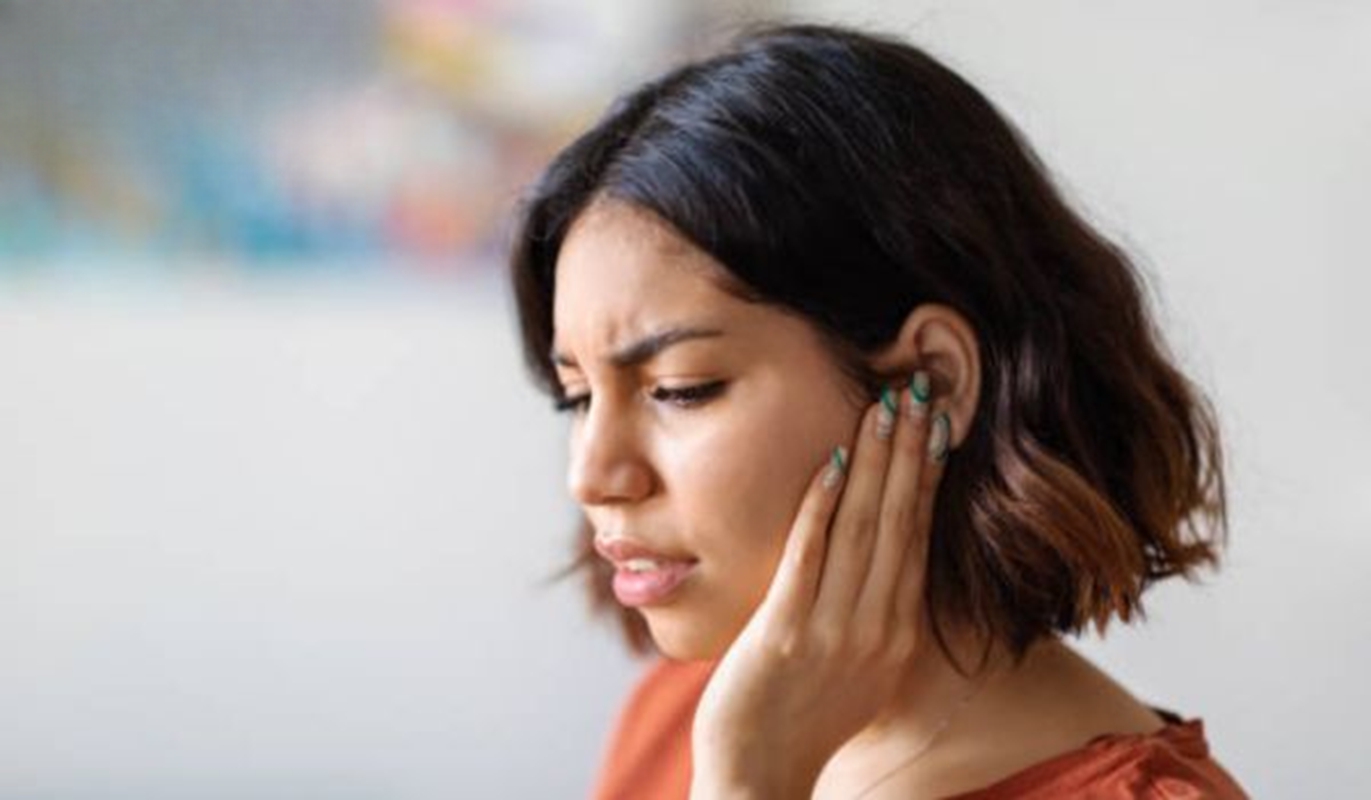
We’ve all been there, leaving a noisy concert, wedding, or event with a buzzing sound in the ears or a weird sense of pressure. Sometimes it fades. Sometimes it doesn’t. That’s when you might wonder: Is this normal, or is it a sign of something more serious?
If you're experiencing ear pain after loud noise, you're not alone. Constant exposure to loud noise is more common than ever. From city traffic to headphones at full volume, our ears are taking in a lot more than they’re built to handle. Over time, this can lead to real damage.
Let’s explore the early symptoms of ear damage from loud noise, how long they might last, and when to take action.
How Loud Noise Affects Your Ears
The inside of your ear has tiny hair cells that send sound signals to your brain. These cells are delicate and they don’t grow back. When exposed to loud noise, especially over time, they can get damaged. That’s when you may start noticing hearing changes or pain.
So, can loud music damage your hearing? Yes, it absolutely can. Listening to music at high volume, especially through headphones, is one of the most common causes of hearing loss due to loud noise today. The louder and longer the exposure, the more serious the damage can be.
Understanding the Decibel Scale
Tip: Exposure to sounds above 85 dB for long periods can cause ear damage from loud noise. Always protect your ears with earplugs or noise-canceling headphones when you're in these environments.
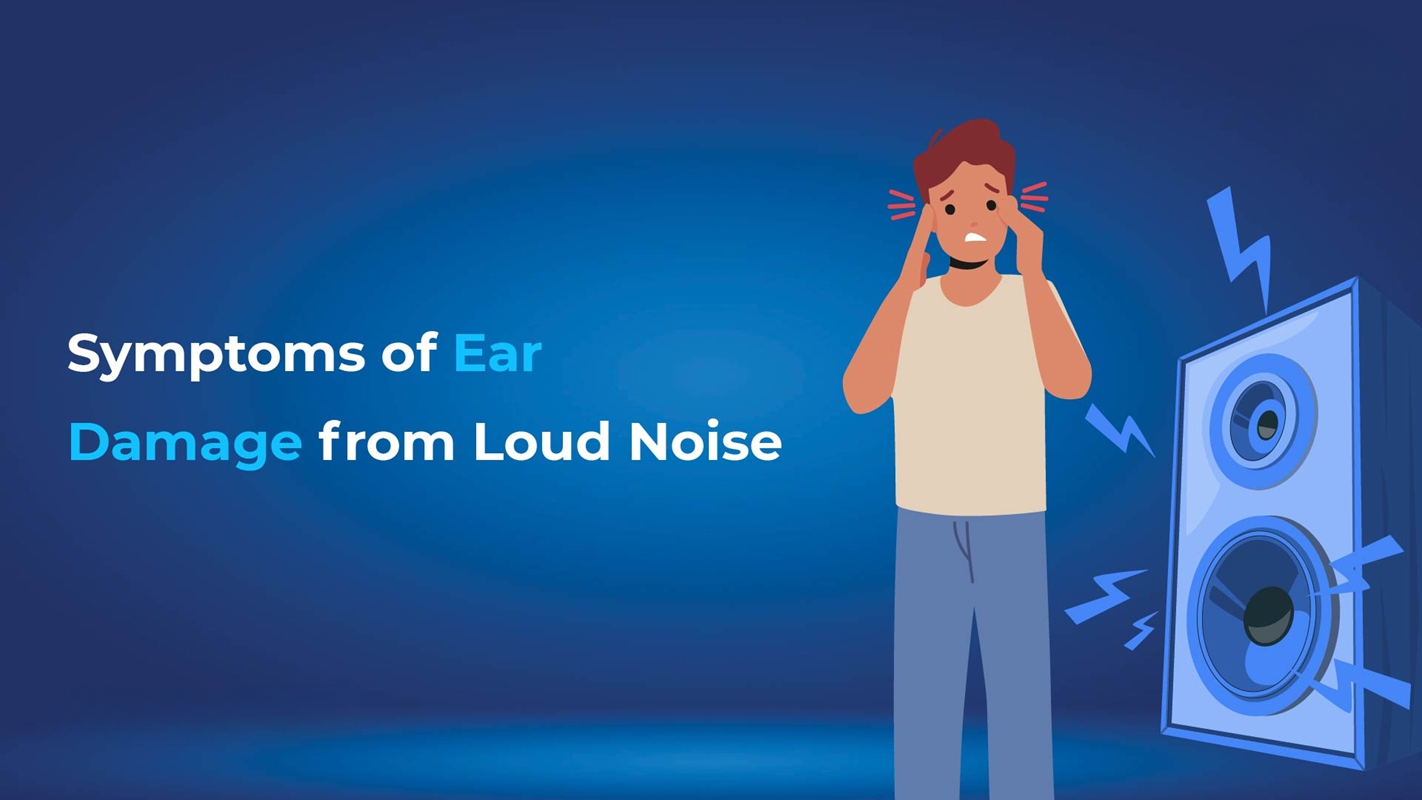
Early Symptoms of Ear Damage from Loud Noise
You might expect ear damage to be obvious, but it often starts subtly. These are some of the first signs to look out for:
A ringing or buzzing sound in your ears, especially after exposure to loud noise
Difficulty hearing clearly, especially in noisy environments
A feeling of fullness or pressure in the ears
Sounds seeming muffled or distant
Occasional dizziness or balance issues
Even if these symptoms seem mild at first, don’t ignore them. They could be early warnings of hearing loss due to loud noise.
What About Ear Pain?
Another clear sign is ear pain from loud noise. This pain may feel sharp, dull, or like a throbbing sensation deep inside the ear. You might notice it immediately after a loud event or after using headphones for a long time at high volume. Wondering how long will ears hurt after loud noise? The answer varies. For some, the discomfort may fade within a few hours. For others, it can last days. If the pain sticks around, gets worse, or is followed by hearing changes, it’s time to get your ears checked by a professional.
Can One Loud Sound Cause Damage?
Absolutely. A single sudden blast of loud noise like a firecracker going off nearby or a speaker blowing out, can cause immediate and sometimes permanent ear damage from loud noise. This type of injury is called acoustic trauma, and it often comes with symptoms like:
Instant hearing loss
Ringing or buzzing in the ear (tinnitus)
Dizziness or loss of balance
Ongoing ear pain after loud noise
Even if the symptoms seem to fade, damage may have already occurred. That’s why taking protective steps and listening to your body matters.
How Long Will Ears Hurt After Loud Noise?
Many people ask, how long will ears hurt after loud noise? In some cases, a few hours of rest in a quiet environment is enough for the ears to recover. But if pain or other symptoms last longer than 48 hours, it could be a sign of more serious damage. Prolonged discomfort, especially paired with muffled hearing or ringing, should never be brushed off.
Protecting Your Hearing Going Forward
Once the damage is done, it’s usually permanent but the good news is that it’s preventable. Here are some simple ways to protect your ears every day:
Turn the volume down on your devices. Aim to keep it at 60% or less.
Use earplugs in loud settings like concerts, weddings, or busy streets.
Take listening breaks if you wear headphones for long periods.
Avoid standing near speakers or loud sound sources.
Get regular hearing checks, especially if you're exposed to loud noise often.
Final Word
Experiencing ear pain from loud noise or noticing hearing changes after a loud event? Don’t wait to see if it goes away on its own. These could be signs of ear damage from loud noise, and early attention can make a big difference. Whether it’s ear pain after loud noise, a sudden drop in hearing, or that persistent ringing you just can’t shake, your ears are trying to tell you something. Listen to them. Give them the care they deserve. Because once hearing is gone, it doesn’t come back.
Also Read: 5 Loud Noises That Could Damage Your Hearing
Are Your Headphones Damaging Your Hearing?
The above is the interpretation of How to Tell if Loud Noise Has Damaged Your Ears provided by Chinese hearing aid supplier Shenrui Medical. Link https://www.srmcm.com/Blog/How-to-Tell-if-Loud-Noise-Has-Damaged-You.html of this article is welcome to share and forward. For more hearing aid related information, please visit Blog or take a look at our Hearing aids products