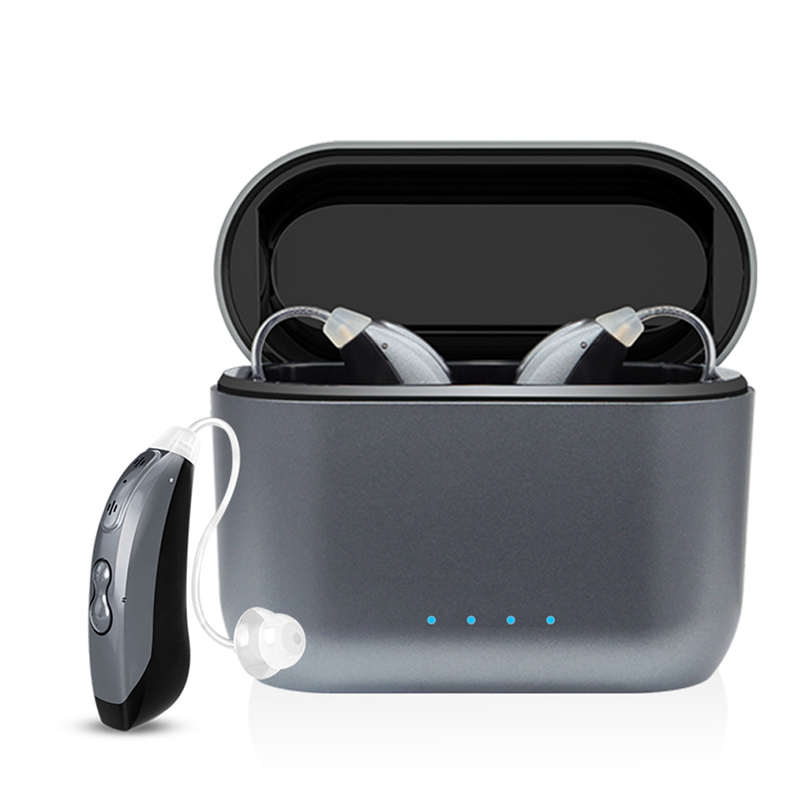
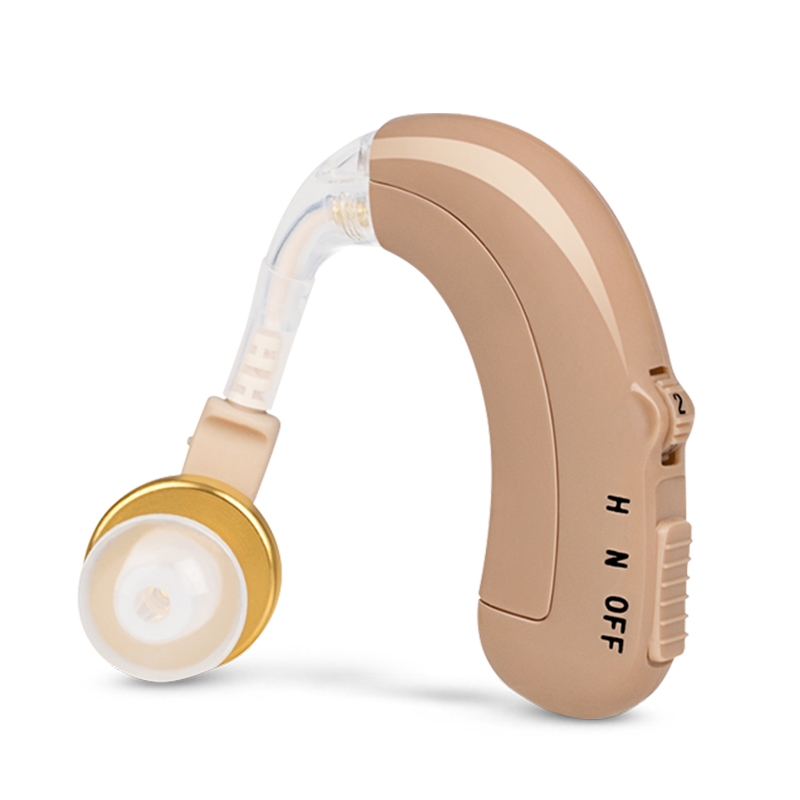
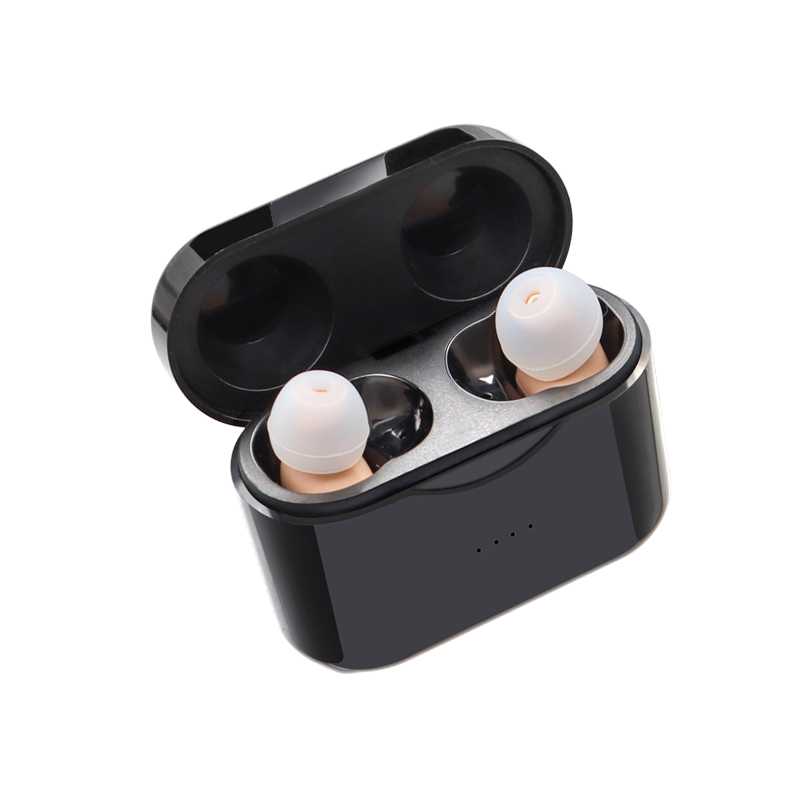
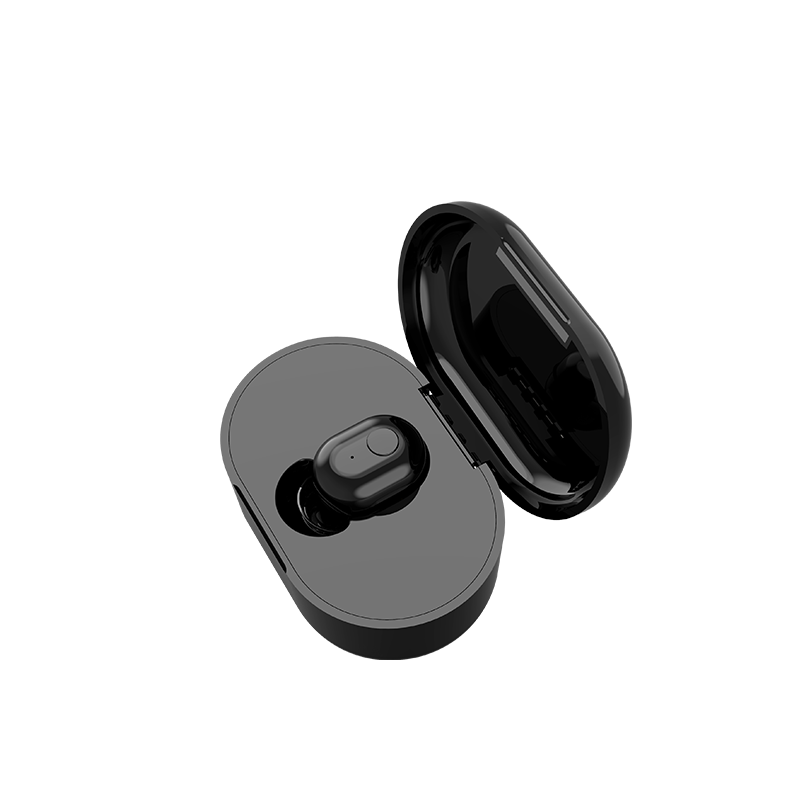
This article explores the advantages of wireless hearing aid technology, which eliminates the need for hard-wired cables and offers significant improvements over traditional hearing aids. Wireless hearing aids reduce background noise and reverberation, enhance high-frequency sound processing, and provide clearer speech understanding from a distance. They also integrate seamlessly with modern devices like smartphones, computers, and televisions via Bluetooth or advanced microsystems. These technologies not only deliver superior sound quality but are also more comfortable, energy-efficient, and less visible than conventional hearing aids. Overall, wireless hearing aids represent a forward-thinking solution to common challenges faced by hearing aid users.

This week in Audicus blogs, learn more about different types of wireless hearing aid technology! Wireless hearing aids are hearing aids that rely on external sound systems, microphones and other forms of technology instead of using hard-wired cables. A relatively new innovation in the world of hearing devices, wireless hearing aids have a number of advantages that tackle the issues normally experienced when using hard-wired hearing aids.
Hard-wired Hearing Aids and Wireless Hearing Aids
People that use hard-wired hearing aids may experience a number of different issues including sound reverberation and an adverse signal-to-noise ratio, both of which increase with increasing distance between the hearing aid user and the source of a sound. High-frequency sounds are also more subject to degradation with hard-wired hearing aids, and listening to someone speak from a distance can be more of a challenge because words are more difficult to discern. Using the remote microphone that comes with wireless hearing aids is advantageous because there is much less background noise as well as reverberation. With remote microphones, it is also easier to process high-frequency information and understand words from a distance. Many hearing aid users with hard-wired devices also report having trouble using a telephone. This can be because of the resulting feedback and because of issues aligning the earphone of a telephone with the hard-wired microphone of a hearing aid. In cases like these, it is possible to use an intermediary device that connects to a cell phone or landline using Bluetooth.Wireless Hearing Aids and Sound Systems
Users that take advantage of Bluetooth technology can connect their hearing aids to a computer, listen to phone conversations with both ears, listen to television directly, and access music directly from their smartphones. In many cases this allows hearing aid devices to serve as more convenient replacements for headphones and computer speakers. Hearing aids are not actually imprinted with Bluetooth technology, rather they can be Bluetooth-enabled. The volume control that comes with Bluetooth technology allows you to make your listening experience as loud or as quiet as you would like it to be. Hearing aid microsystems are another form of wireless technology that not only delivers excellent sound quality but are also relatively comfortable and non-invasive. Created at the Fraunhofer-Gesellschaft institute in Berlin, Germany, the hearing aid microsystem is less than one-sixth of an inch long and is fifty times smaller than other forms of body area network, or BAN, electronics. Although hearing aid microsystems uses alternative forms of technology from Bluetooth, they also possess the advantages of wireless technology including the reduction of background noise and the perception of high-frequency sounds. A major advantage to hearing aid microsystems and other forms of wireless hearing aids is that they require much less time to recharge and consume less energy, are not visible from the surface of the outer ear, only need to be taken out when being recharged and are less susceptible to heat and humidity compared to hard-wired hearing aids.Sources: The Hearing Review
By: Aaron Rodriques
The above is the interpretation of How Do Wireless Hearing Aids Work? provided by Chinese hearing aid supplier Shenrui Medical. Link https://www.srmcm.com/Blog/How_Do_Wireless_Hearing_Aids_Work.html of this article is welcome to share and forward. For more hearing aid related information, please visit Blog or take a look at our Hearing aids products