Recent research from Northwestern University highlights the profound impact of musical training on combating age-related hearing loss. The study, conducted by the Auditory Neuroscience Laboratory, reveals that long-term musical experience can preserve and even enhance neural timing, a critical component for processing sound efficiently. Neural timing allows individuals to distinguish between consonants and perceive speech clearly, which tends to deteriorate with age. In their experiment comparing older musicians, younger musicians, and non-musicians, researchers found that older musicians exhibited superior neural timing compared to both younger musicians and older non-musicians. This suggests that musical training not only slows down cognitive decline but also strengthens auditory processing over time. Importantly, the study emphasizes that it's never too late to start; intensive musical training can benefit even those who begin later in life, offering a promising avenue for preventin
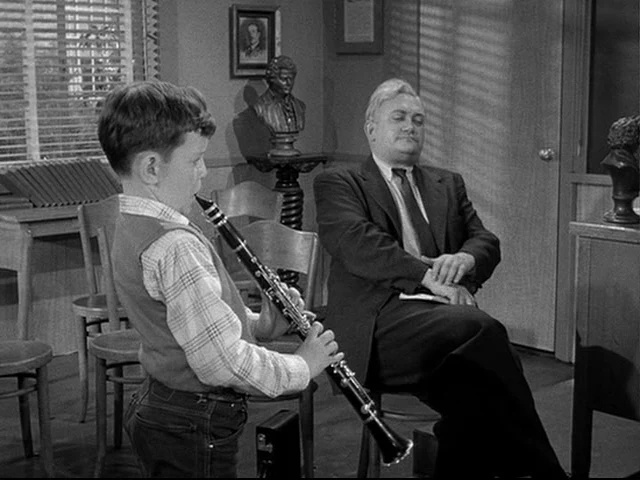
Talk about the power of the mind: New research suggests that your brain can overcome age-related hearing loss with musical training. While we’ve been discussing how our brains understand music and why humans listen to music in the first place, scientists have found yet another relationship between music and our minds. According to a recent study from Northwestern University, musical experience can fend off hearing loss—even if you start training later in life!
Age-related Hearing Loss
Researchers at the university’s Auditory Neuroscience Laboratory explored the relationship between long-term musical training and an older adult’s ability to process sound. Whether musician or non-musician, we all begin to experience slow cognitive processing as we age. Our brains undergo slow changes over time, including a decreased ability for neural timing. Neural timing helps us perceive information—including sound—as quickly and clearly as possible. Neural timing is particularly important to help us distinguish one consonant from another while listening to speech. The ability to tell consonants apart becomes more difficult with age, while vowel understanding stays the same our whole lives. When we look at consonants, we see that age essentially slows down our response time, leading to hearing and memory loss. However, previous studies from the lab suggest that musical training may help preserve hearing and memory over the years.
Hearing Loss and Music: The Experiment
In this most recent experiment, scientists asked older musicians, younger musicians and non-musicians of all ages to listen to the same sound bites. (Musicians were classified as anyone who started training before 9 years old and practiced consistently ever since. Non-musicians had less than 3 years of training.) As each subject was listening to these common sounds, the researchers tracked the individual’s brain activity. The study seemed to have one major underlying question: Does musical training keep the mind in shape for old age, just as regular exercise does for the body?
Hearing Loss and Music: The Results
As it turns out, musical training does keep the mind in shape! Older musicians had better neural timing than older non-musicians. Better yet, it turns out that musical experience means neural timing only gets better with time, instead of weakening with age. Test results show that older musicians performed even better than younger musicians and non-musicians alike. In other words, hearing loss is not inevitable with age. Musical training could be an incredibly valuable tool for preventing hearing loss. Onset timing is one of the most vulnerable parts of auditory processing, according to the study. Because musical experience bolsters neural timing specifically, strength through training can go a long way. Older adults who have no musical background need not despair--intensive musical training may help overcome hearing loss even late in life, says nationally renowned researcher Don Caspary. In short, while aging is unstoppable, it’s never too late to combat hearing loss. As always, the first step to fending off hearing loss is knowledge and understanding. Consult Audicus Hearing Aids to learn more about how your ear works and the natural process of hearing loss. In the meantime, Audicus hearing aids can help you stay in sync with your favorite tunes. Sources: Audicus Hearing Aids, Northwestern University
by Patrick Freuler
The above is the interpretation of How Learning an Instrument Strengthens Your Ears provided by Chinese hearing aid supplier Shenrui Medical. Link https://www.srmcm.com/Blog/How_Learning_an_Instrument_Strengthens_Your_Ears.html of this article is welcome to share and forward. For more hearing aid related information, please visit Blog or take a look at our Hearing aids products