This article highlights the global prevalence of hearing loss, affecting over 360 million people worldwide, with a significant proportion living in low- and middle-income countries. In the U.S., genetic factors account for most cases, while in developing nations, preventable medical issues like otitis media, maternal infections (e.g., rubella or syphilis), and diseases such as meningitis, measles, or mumps are major contributors. Age also plays a critical role, with 25% of hearing loss cases occurring in individuals over 65, particularly in South Asia, Asia Pacific, and sub-Saharan Africa. Efforts to address this issue include improving access to healthcare, immunization, treating ear infections, avoiding ototoxic drugs, and innovative solutions like solar-powered hearing aids from companies such as Solar Ear, which provide affordable and sustainable options for lower-income populations. These initiatives aim to reduce preventable hearing loss and improve quality of life globally.
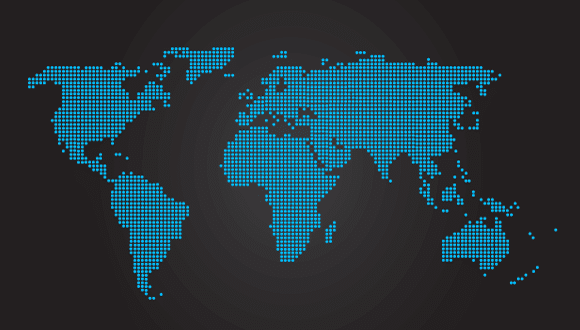
According to the World Health Organization (WHO), over 5% of the world’s population suffers from disabling hearing loss. Five percent may seem like a small number, but that totals over 360 million people across the globe. The majority of these people live in low- and middle-income countries, where the access to healthcare and quality of health organizations is lower than that of the United States.
Global Causes of Hearing Loss
In the U.S., hearing loss is more likely to be caused by genetics than any other factor—over half of the cases of hearing loss are due to genetic predisposition. In the developing world, however, preventable medical issues are often factors in hearing loss. Otitis media—chronic ear infections in the middle ear—is a major cause of hearing loss in the developing world. Pregnancy complications also often lead to hearing loss in babies and children. Maternal infections, such as rubella or syphilis, can lead to congenital hearing loss—meaning a person is born with hearing loss or develops it soon after birth. Diseases such as meningitis, measles, or mumps (which most people in developed countries are vaccinated against) are also factors in hearing loss. Even antimalarial medicines can lead to hearing loss. Age is also an important factor in hearing loss around the world. It is estimated that 25% of all adults with hearing loss are over 65 years old. The highest occurrences of hearing loss in this age group are in South Asia, Asia Pacific, and sub-Saharan Africa. By 2020, the percentage of hearing loss incidence in these areas is expected to grow by 42.9%, 46.4%, and 38%, respectively, due to the growth in worlds population of people 65 and older.Health Organizations: Prevention and Treatments
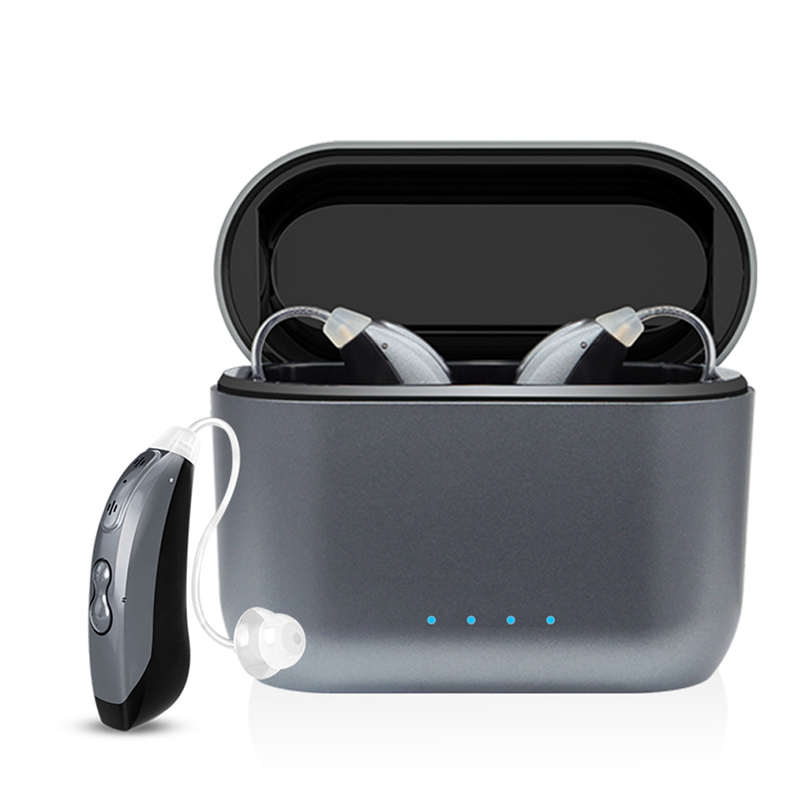
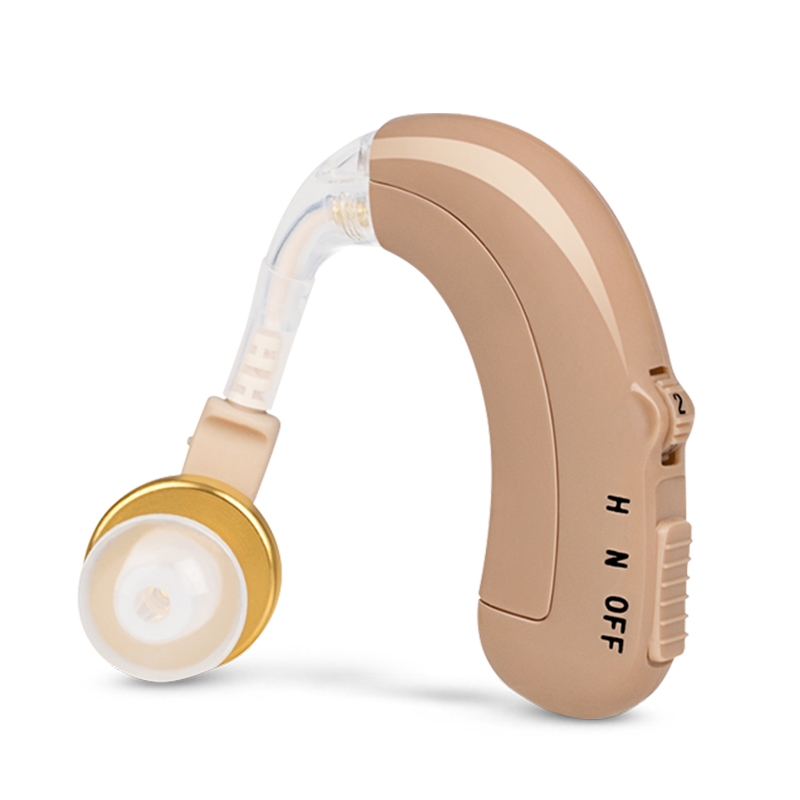
One of the most important ways to prevent hearing loss in children is better access to medical care and health organizations, for both mother and child. The infections mentioned previously are almost completely eradicated in developed countries and therefore do not cause any significant hearing loss. Immunization, healthy ear care and habits, treating ear infections, and avoiding the use of ototoxic drugs are all steps that health organizations advocate for reducing hearing loss and deafness around the world. There are many charities and organizations that aim to provide developing countries with hearing aids and hearing technologies. Currently, only about 10% of those with hearing loss have access to hearing aids. One innovation that is growing in popularity in developing countries is a solar-powered hearing aid that is more sustainable and less costly than traditional hearing aids. Solar Ear is a company that developed a solar-powered, easily rechargeable hearing aid for lower-income patients in Brazil. The hearing aids only need to be charged once a week, and last year. They also are creating mobile apps to test the hearing of young children without requiring a trip to a hospital or an audiologist. Solar Ear also employs deaf workers almost exclusively, who are especially attuned to the needs of those with hearing loss. Hearing loss is one of the world’s most prevalent health concerns, and preventable hearing loss affects millions of people around the world. While age-related hearing loss is almost impossible to prevent, there are organizations, charities, and individuals who are making great contributions to lessen hearing loss around the globe.References: World Health Organization, Harvard Medical School Center for Hereditary Deafness, Alexander Graham Bell Association for the Deaf and Hard of Hearing, Al Jazeera
By: Elena McPhillips
The above is the interpretation of How Many People Have Hearing Loss Worldwide? provided by Chinese hearing aid supplier Shenrui Medical. Link https://www.srmcm.com/Blog/How_Many_People_Have_Hearing_Loss_Worldwide.html of this article is welcome to share and forward. For more hearing aid related information, please visit Blog or take a look at our Hearing aids products