Rising humidity during the summer may require a few additional steps to keep your hearing aids protected and preserve their long-term function. These are tips to keep your hearing aids dry and what to do if water damage does occur.
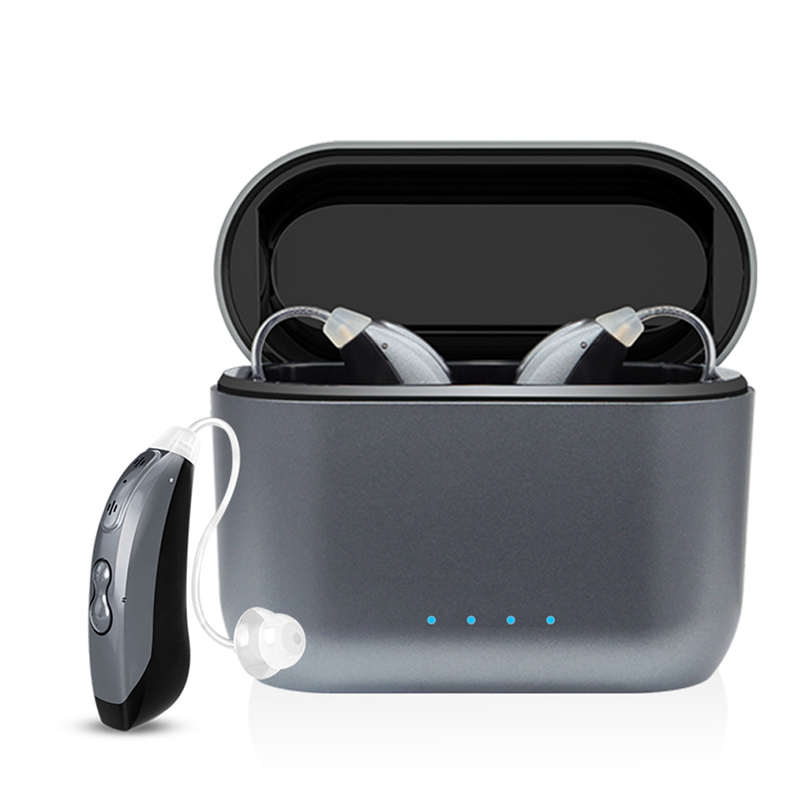
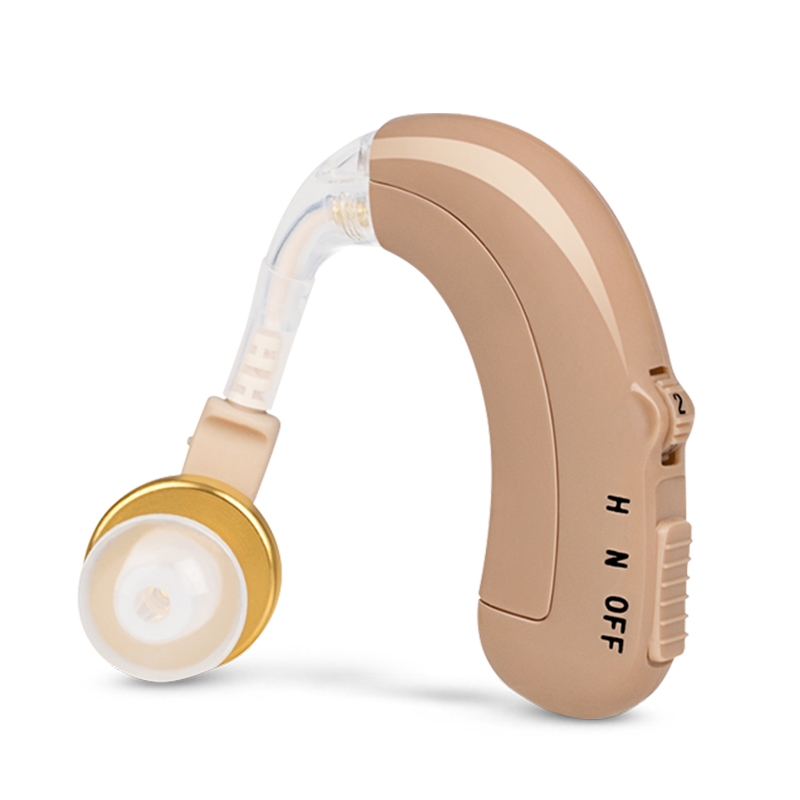
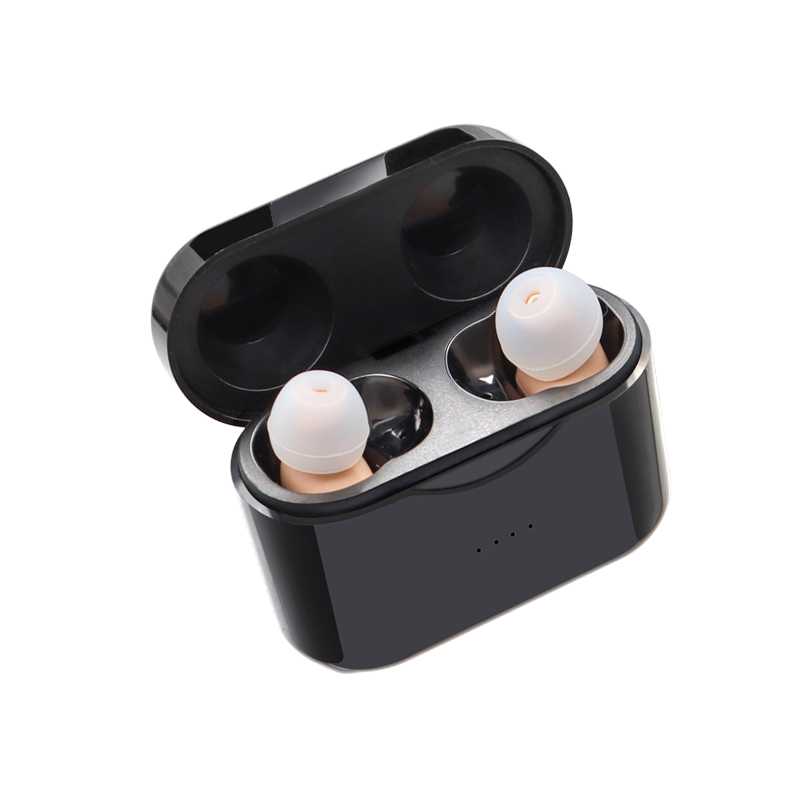
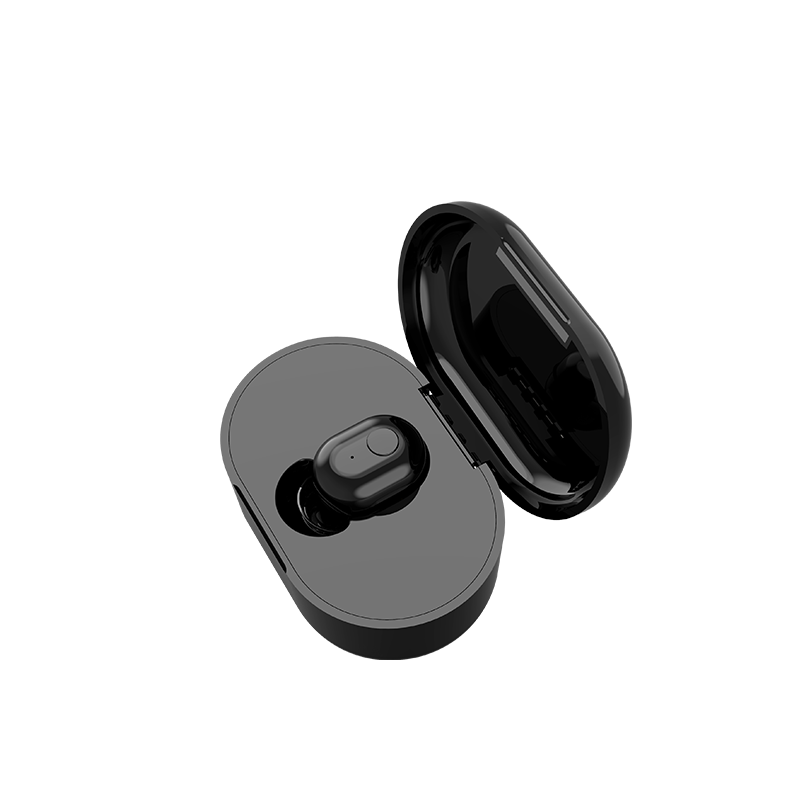
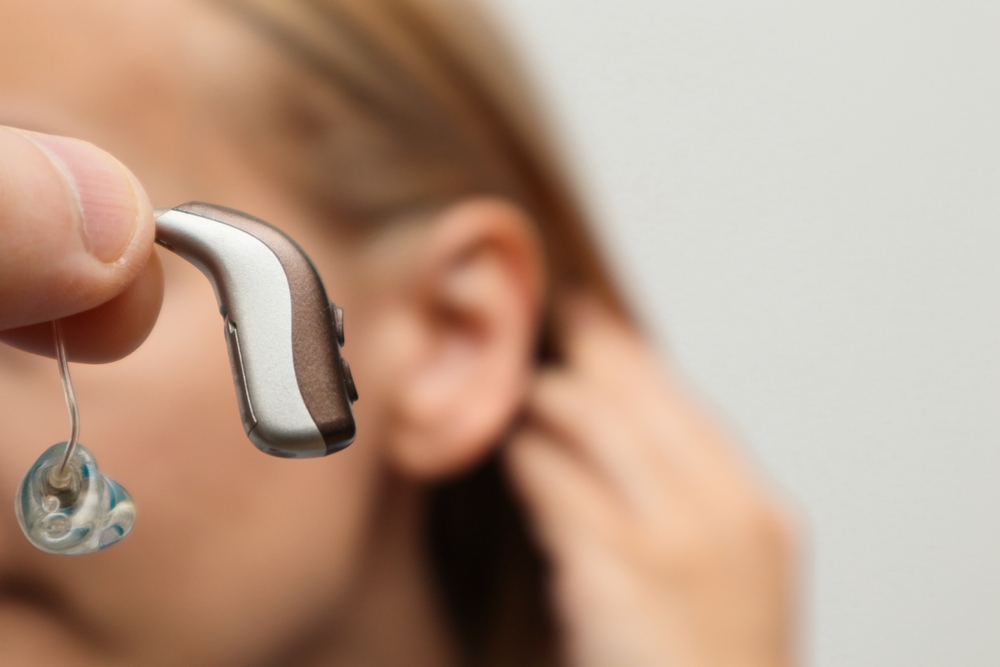
At NYHD Institute for Hearing & Balance, patients have a wide range of options for advanced hearing aid devices that can improve hearing and overall quality of life. The most popular type of device is the RIC hearing aid that fits in the ear canal with a small piece of hardware that sits behind the ear. However, patients can also choose from hearing aids that sit partially or completely in the ear canal. Our expert team of audiologists can help you determine the best choice of hearing aid based on your degree of hearing loss and lifestyle.
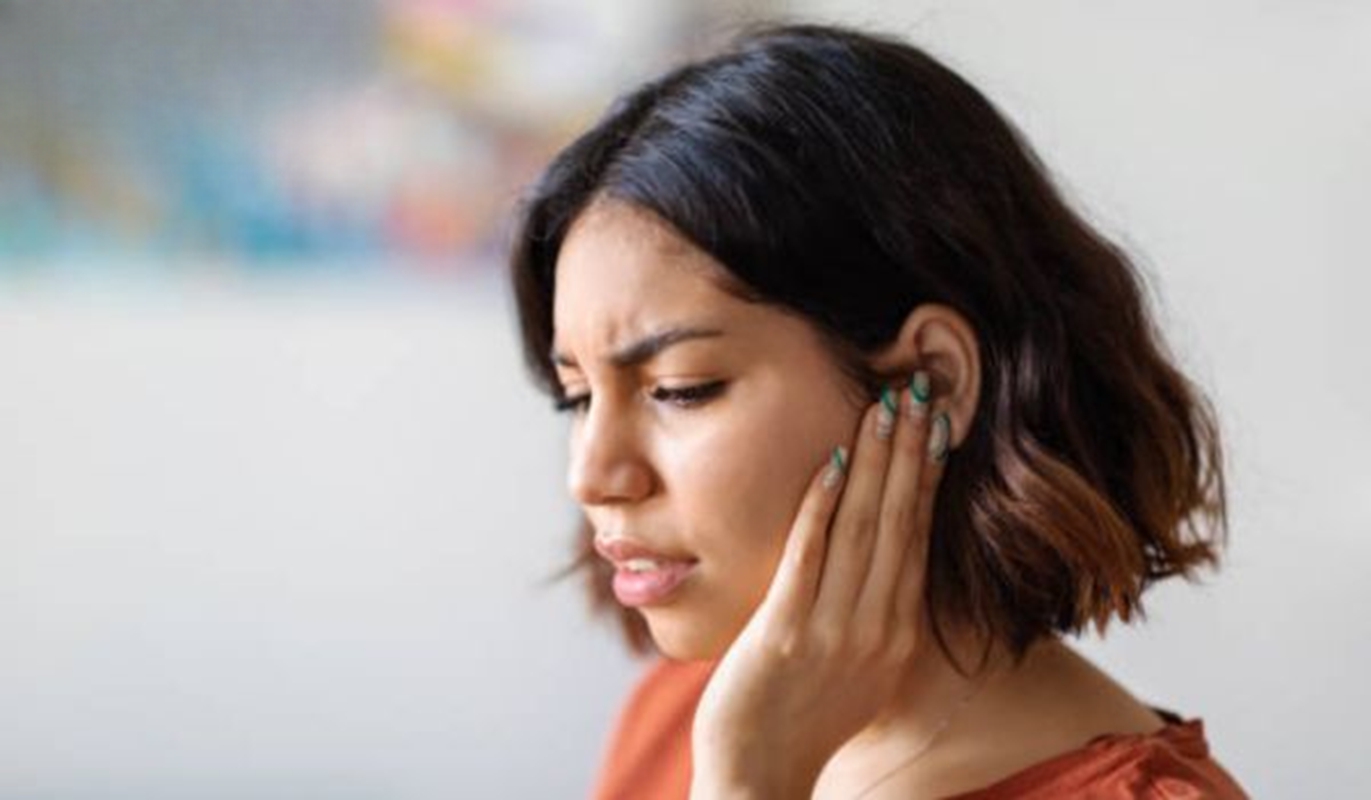
While many people know not to submerge their hearing aids in water, even moisture in the air during the humid summer months can affect the sound quality of your devices. Hearing aids are made with electrical components, leading to performance issues when they come in contact with any type of moisture. Crackling noises, muffled sounds, or weak sound quality can all be caused by prolonged moisture exposure. The life expectancy of your hearing aids can also decrease, which is why it is important to take preventative steps against humidity and water damage.
There are several simple steps that patients can follow to prevent or quickly address wet hearing aids.
1. Remove hearing aids before swimming or going to the beach.
We recommend that you do not wear your hearing aids to the beach or the pool. Not only is there a risk of water damage, but sand or dirt can get into the hearing aids and be difficult to remove. Leave your hearing aids at home so you can enjoy summer activities without worrying about damaging or even losing your device.
2. Use a Dehumidifier
Placing your hearing aids in a dehumidifier or drying box overnight can remove moisture that builds up during the day. We also recommend that patients come into our office and have their devices professionally dried with our microsonic dryer to preserve the function of their hearing aids.
3. Safe Storage
Waterproof storage cases and hearing aid shields or headbands that are resistant to sweat can be a great investment to temporarily remove your hearing aids when outside for long periods of time or exercising, as sweat can also cause excess moisture to build up in the hearing aids.
If your hearing aids get wet, immediately remove the battery and carefully dry all components of the device with a soft cloth. If it’s battery operated, leave the battery compartment open to allow airflow through the device. We recommend visiting our office as soon as possible after a water incident to have your hearing aids professionally dried. Our team can also evaluate your hearing aids to ensure they are functioning properly.
At NYHD, we are committed to helping our patients achieve exceptional hearing so they can fully engage with fun summer activities. If your hearing aids have been damaged by water, or if you would like to know more about professional services to protect your hearing aids in the summer, we encourage you to schedule an appointment with us!
The above is the interpretation of How to Prevent Humidity from Damaging Your Hearing Aids provided by Chinese hearing aid supplier Shenrui Medical. Link https://www.srmcm.com/Blog/How_to_Prevent_Humidity_from_Damaging_Your_Hearing_Aids.html of this article is welcome to share and forward. For more hearing aid related information, please visit Blog or take a look at our Hearing aids products