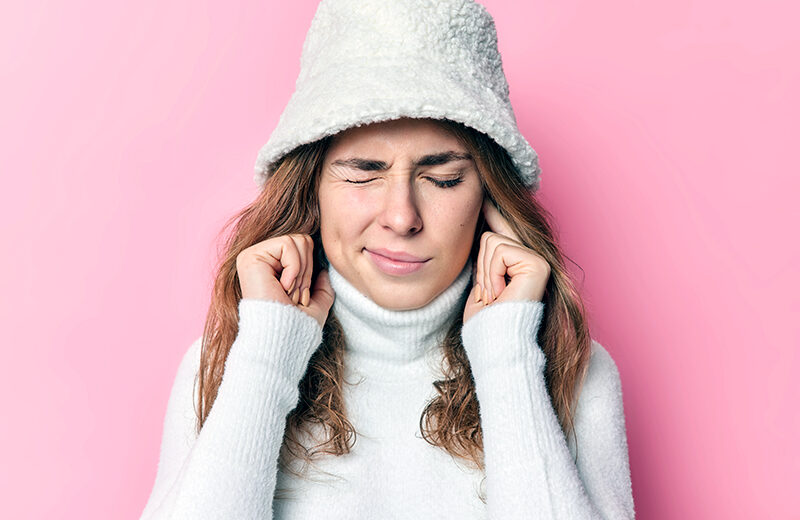
As winter sets in, protecting our ears from the cold weather is essential to prevent issues that can harm them. Our ears are mostly made of cartilage and have very little insulating fat, which makes them vulnerable to the cold. Additionally, the sensitive tissue in the ear canals can get irritated due to cold weather, leading to earaches. If you work in a cold environment for extended periods, it’s crucial to prioritize your ear health. Here are a few reasons why you might be experiencing ear pain in the cold weather.
Ear Pain in the Cold Weather: Why Do My Ears Hurt in the Winter?
Congestion and Stuffy Ears
The Eustachian tubes serve as the intermediary channel that links the upper throat to the middle ear and the back of the sinuses. These channels are vital to maintaining a state of equilibrium, preventing fluid buildup within the middle ear and abnormal alterations in air pressure within the ear. However, in the case of a cold or head congestion, the Eustachian tube may become obstructed with fluid and mucus from the nasal cavity. In turn, this can cause a sensation of discomfort or pain. Although these symptoms typically mitigate as the cold subsides, they can occasionally result in secondary ear infections.
Sinusitis
The persistence of cold may precipitate sinus infection, commonly known as infectious sinusitis, which is marked by inflammation of the sinuses. The symptoms of sinusitis include:
• Ear pressure and earaches
• Headache
• Fatigue/over-tired
• Halitosis/bad breath
• Persistent cough
• Fever
Moreover, you may experience a poor sense of smell and green or yellow nasal discharge. It is imperative to note that an unyielding cold may lead to a sinus infection or other complications that require prompt medical attention.
Otitis Media
Otitis media, typically referred to as a middle ear infection, represents a frequent complication of the common cold. Infection-causing bacteria or viruses from the rhinopharynx may infiltrate the middle ear through the eustachian tube, resulting in buildup inside the middle ear. The pathogens in question can increase in the accumulated fluid, eventually resulting in a middle ear infection. Otitis media can cause:
• Ear pain
• Fever
• Swelling
• Difficulty hearing
• Redness around the ear
• Yellow or green nasal discharge
Dealing with Earaches in Winter
During winter, it’s essential to take certain precautions to prevent earaches.
• Cover your ears when outside to protect them from the cold weather.
• Dry your ears entirely after swimming or showering.
• Avoid putting anything like cotton wool or swabs inside your ears, as this can cause damage to them.
• Take care of any allergies, as they can cause congestion in your Eustachian tubes and increase the risk of ear infections.
Earache Remedies
The management of a mild, temporary earache is best approached with a strategy of simply waiting. In certain circumstances, over-the-counter medications, such as ear drops, may be employed judiciously. However, we recommend medical consultation if the earache persists for more than a day or if the discomfort exceeds a mild degree.
How to Protect Your Ears in Winter
It is imperative to wear warm attire to shield your ears from the harsh winter temperatures. In this regard, earmuffs, a hat that conceals the ears, or an upturned collar on a jacket can all provide the necessary insulation for the ears and prevent them from being exposed to the cold. By taking these straightforward steps, you can ensure that your ears remain protected from the elements and avoid the discomfort and potential health hazards associated with exposure to cold.
Ear pain during winter is common and can worsen pre-existing ear conditions such as tinnitus. While the suggestions mentioned earlier may help relieve or prevent earaches, seeing your doctor if the discomfort persists or becomes too severe to ignore or your condition worsens is crucial.
The above is the interpretation of How to Prevent Winter Ear Aches provided by Chinese hearing aid supplier Shenrui Medical. Link https://www.srmcm.com/Blog/How_to_Prevent_Winter_Ear_Aches.html of this article is welcome to share and forward. For more hearing aid related information, please visit Blog or take a look at our Hearing aids products