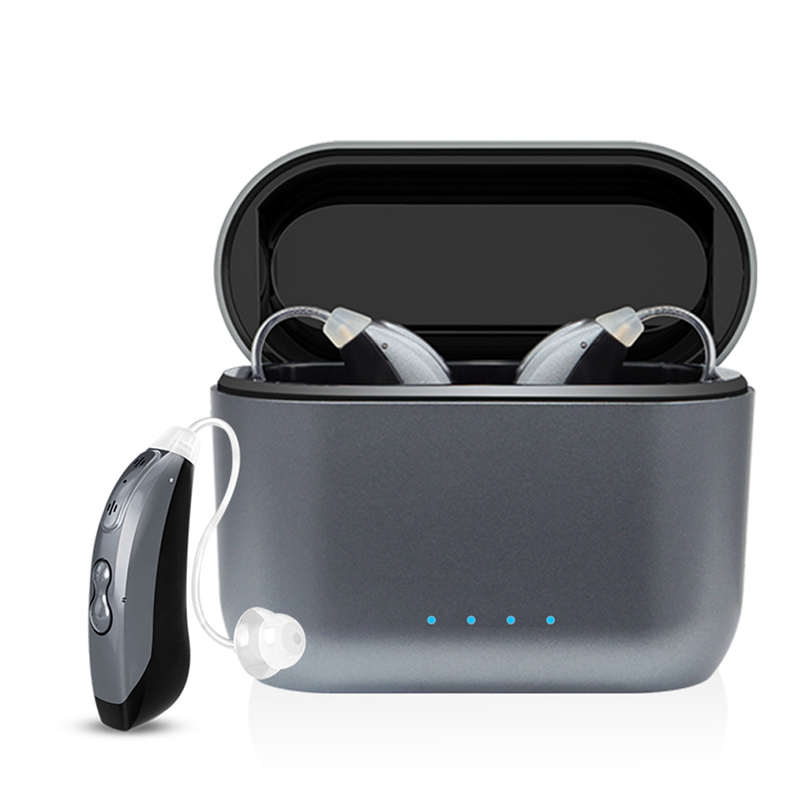
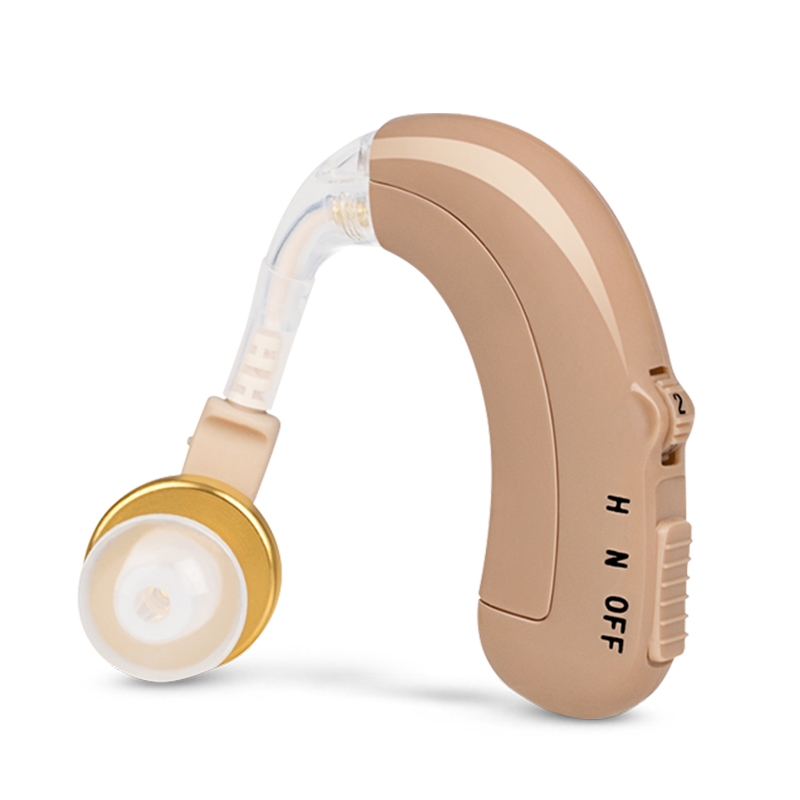
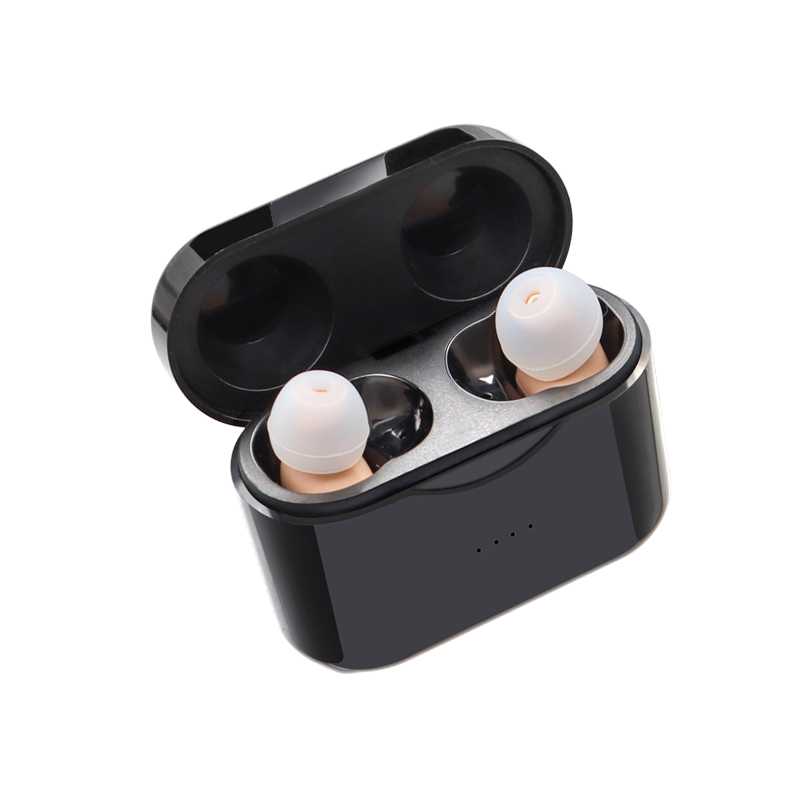
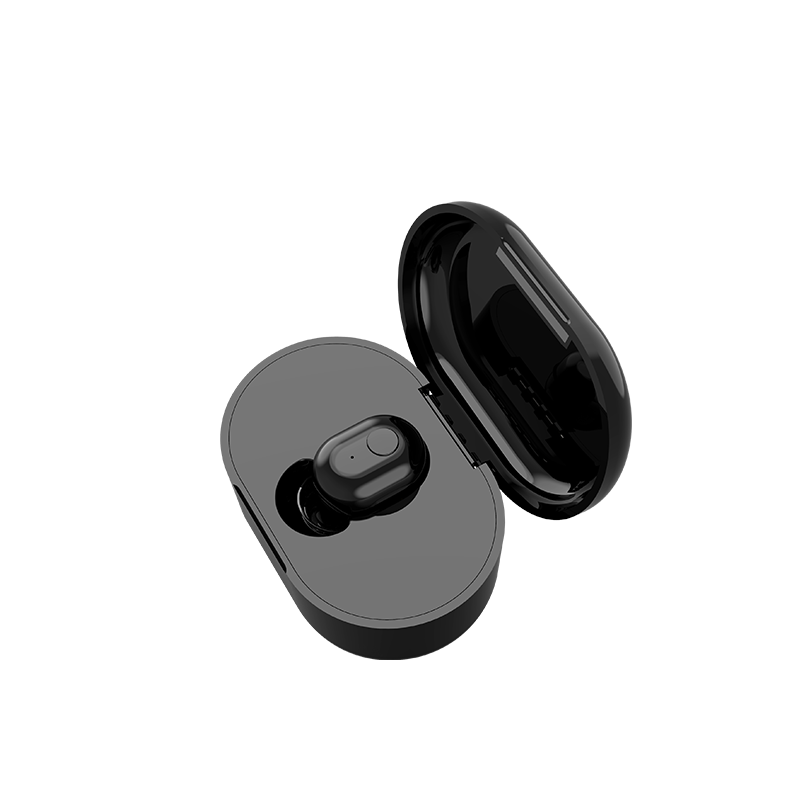
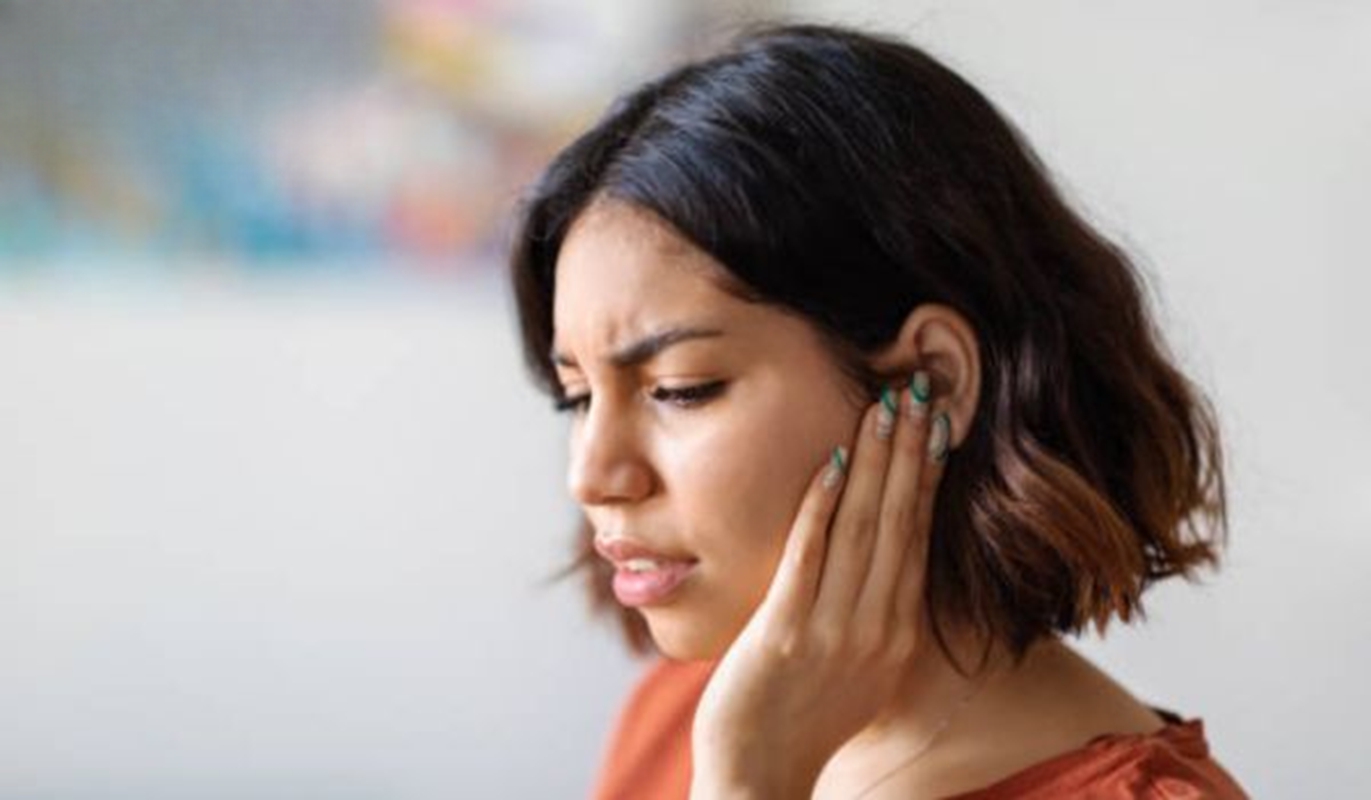
Cold wintry weather can cause hearing aid damage if proper precautions aren't taken. While often hearing aids can be repaired, an ounce of prevention is worth a pound of cure. Here's some information on how cold weather and moisture can damage hearing aids, what to be aware of and how you can prevent weather damage. Also, find out about tinnitus and winter weather, and why clogged ears are more common in cold weather.
Hearing aids, cold weather and moisture

damage hearing aids.
Temperature extremes can be damaging to a hearing aid and its batteries. The cold itself is not necessarily damaging, but the condensation that occurs due to temperature change can damage internal components. Even when it isn't snowing or raining, moisture is present because extreme temperature changes are common in the winter.
For example, if you are walking outside and the temperature is 20 degrees Fahrenheit, you will almost certainly be bundled up from head to toe with a hat over your ears. But when you head indoors, it could be nearly 50 degrees warmer because the heat is on. Even if you take off your coat and other winter gear right away, the temperature change can form condensation on your hearing aids. And maybe you were walking quickly and your head began to sweat, which could also damage your hearing aids and batteries.
Signs of moisture damage
Moisture can ruin the microphone and receiver of your hearing aids, as well as clog the earmold tubing and sound and cause corrosion. Here are some tell-tale signs that your hearing aids have been damaged:
- Your hearing aid cuts out during loud noises.
- The sound fades or comes and goes.
- Everything you hear is punctuated by static.
- Sounds are unclear or seem distorted.
- Your hearing aid completely stops working and then starts again. This might happen a few times.
Hearing aid fixes
If you think your hearing aids have been exposed to moisture, there are other things to check first. Such as:
- Your hearing aid is turned on and (if you have one) the T-switch is in the right position.
- If you have disposable batteries, make sure they have been inserted correctly. Also, sometimes when batteries are dying, you will see some of the same signs as above. Check to make sure the battery is not corroded. If it is, it will have a white powdery substance and should be thrown out immediately.
- The battery contacts, which are the points where the batteries touch the hearing aids. Clean them or remove moisture with a dry cotton swab.
- The earmold, to be sure it or the sound outlet are not clogged with wax. Or, if you wear domes (a tiny cone that's inserted deep in the ear), make sure they are not damaged.
More: How to troubleshoot common hearing aid problems
If none of these things seem to be the issue, you may have moisture in your hearing aid. If you wear behind-the-ear (BTE) hearing aids, look in the tubing for moisture droplets. If you wear earmolds, you can purchase an earmold puffer, which blows out any moisture, and consider having your earmolds fitted with a moisture dispersing tube.
Hearing aid drying kits (dehumidifiers) are very useful
For in-the-ear (ITE) hearing aids, it's a little trickier to remove the moisture. If you don't already have one, purchase a hearing aid drying device and place your hearing aids in it immediately to hopefully dry them out and avoid damage. Drying kits are just one of many hearing aid accessories that can make wearing hearing aids easier.
Precautions for cold weather and hearing aids
While moisture is hard to avoid in extreme cold, there are some precautions you can take in an attempt to keep your hearing aids dry and safe.
Protect with earmuffs
Earmuffs aren't only for keeping your ears warm while you're skating on the neighborhood pond or ice fishing with your favorite nephew. Specialized earmuffs are available specifically for protecting your ears from damaging noise. Even if you already have hearing loss, further damage from noise is almost completely preventable by simply limiting your exposure. Noise-reduction earmuffs are not just for winter. In fact, they will come in handy many times throughout the year. Whether you're using your noisy lawnmower in the spring, enjoying a fireworks show in the summer and taking in a football game in a noisy arena, earmuffs will keep the noise level safe. Depending upon the style you choose, expect to pay anywhere from $10 on up for earmuffs that reduce noise by as much as 30 dB.
Another consideration when using earmuffs or an ear-covering hat is that they require extra caution to keep you from losing your hearing aids. Post-pandemic, it's not unusual to have to wear a face mask and hearing aids together. Make sure your hearing aids are still on every time to take off your earmuffs, hat or mask. The act of removing anything covering or touching your ears could dislodge your hearing aids, especially for those wearing behind-the-ear styles.
Buy a pair of sweatbands
Some active hearing aid wearers continue to work up a sweat outdoors while enjoying winter sports. You may also get caught outside during periods of heavy snow or freezing rain. To minimize the amount of moisture your behind-the-ear hearing aids are exposed to as a result of perspiration—or precipitation—during the winter months, invest in hearing aid sweatbands. These accessories are available in a variety of colors and sizes, with an average price of $20 per pair. Most of them are washable and slip on easily, acting as a moisture repellant and providing a windscreen for your microphone. If your hearing healthcare provider doesn't sell them, you can find them easily online.
Other wise ideas:
- Use an umbrella in the rain and wear a raincoat with a hood.
- If you think your hearing aid has gotten wet, remove the battery immediately.
Can cold weather cause ringing in the ears?
Tinnitus and winter
For some people, cold, wintry weather triggers their tinnitus, or ringing in the ears. Research shows that internet search terms for tinnitus go up in the winter! Exactly why tinnitus is more common in winter, though, isn't well understood. It's thought to be less about the frosty temperatures affecting our ears, and more about seasonal trends, such as more cold and flu infections (which can increase pressure in the ear), unhealthy activities that can lead to high blood pressure (such as eating lots of salty foods), and increased rates of depression and stress. All of these things are known risk factors for tinnitus.
Weather changes and clogged ears
Changes in barometric pressure can leave your ears feeling clogged any time of year. Add in a seasonal respiratory infection swelling up your sinuses and you can feel downright miserable. Read more about the causes of clogged ears and how weather-related pressure changes can affect hearing.
Winter travel
If you are planning on flying to your holiday travel destination, be careful not to fly if you are ears are persistently clogged. A ruptured eardrum or severe infection can result, leading to temporary hearing loss and other problems. It is better to reschedule your flight if possible to prevent further problems. More: Airplanes and ear pain: Why it happens and what you can do, and traveling with hearing aids.
The above is the interpretation of How to Protect Hearing Aids from Cold and Moisture provided by Chinese hearing aid supplier Shenrui Medical. Link https://www.srmcm.com/Blog/How_to_Protect_Hearing_Aids_from_Cold_and_Moisture.html of this article is welcome to share and forward. For more hearing aid related information, please visit Blog or take a look at our Hearing aids products