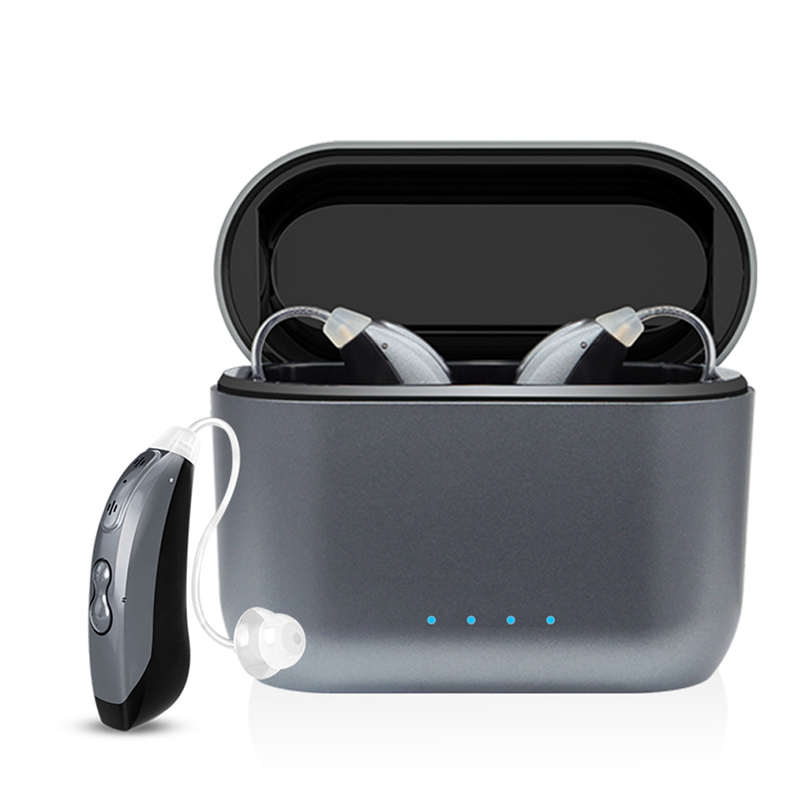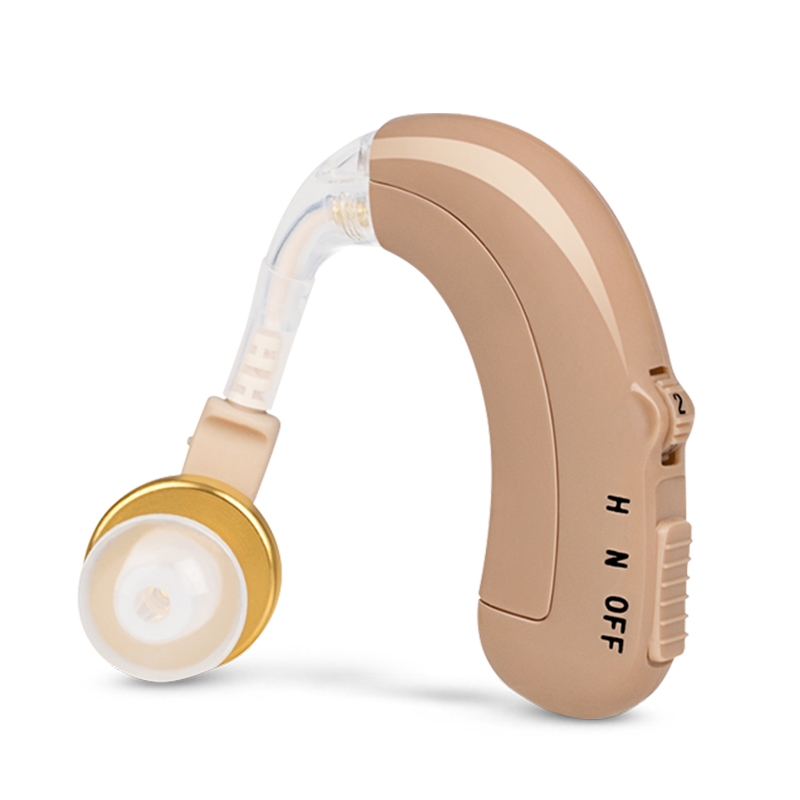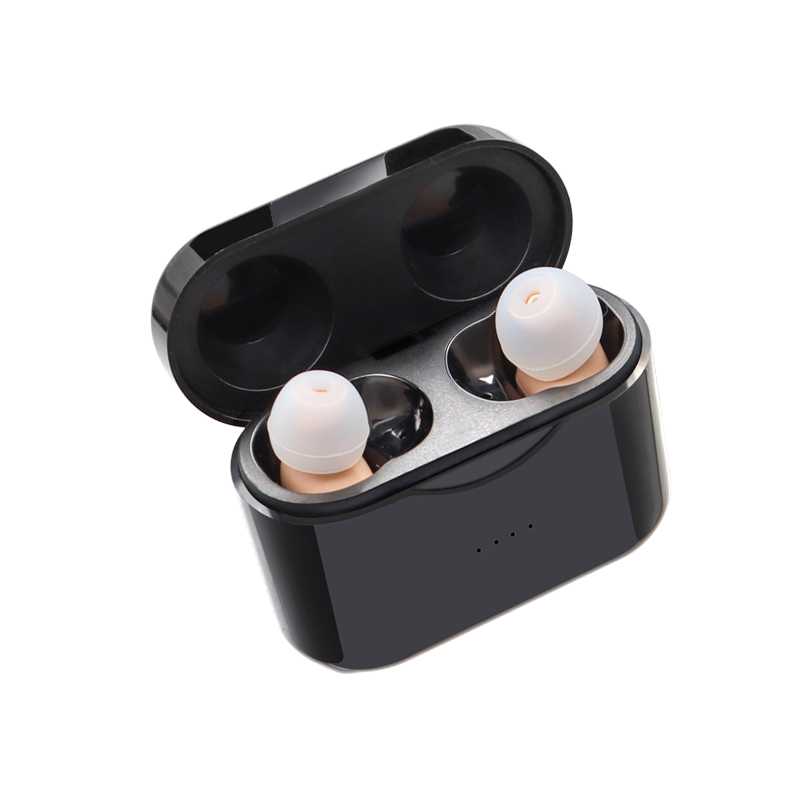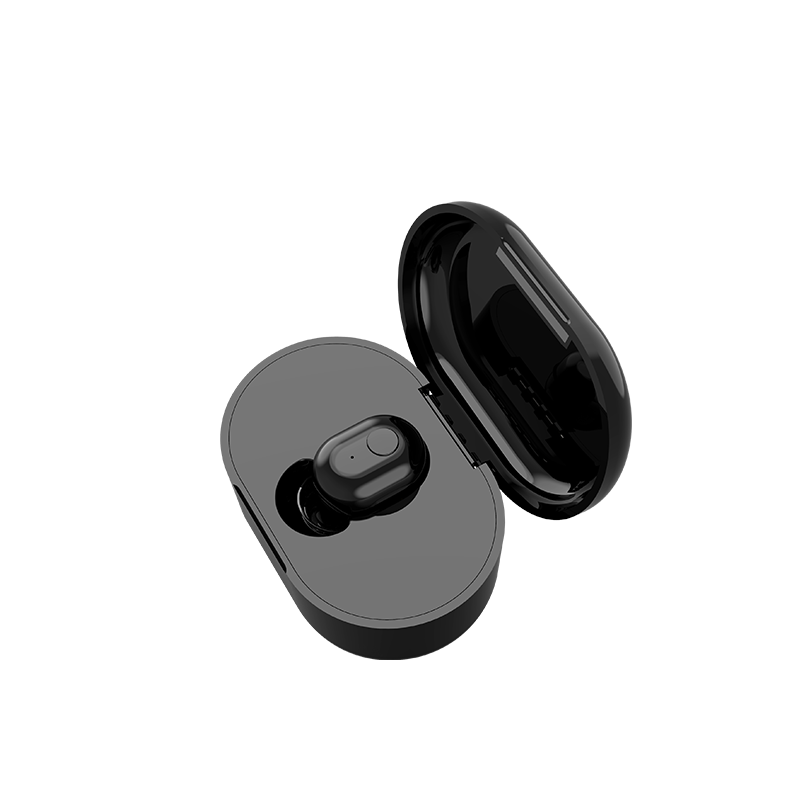
Summer is in full swing. It’s hot, sunny, and perfect for a day at the beach or the lake. But for those with hearing aids vacationing can be as bad as good. Heat, sand, and exposure to water are all sources of concern when it comes to hearing aids. Don’t get left out of the summer fun. Follow these tried and true summertime beach survival tips for hearing aids.
Beach Survival Tips for Hearing Aids: How to Keep Your Hearing Aid Protected in the Summer Sun
Sand and Debris
When it comes to outdoor fun in the sun, avoiding sand, dirt, and debris can be impossible. For most people, this isn’t a big deal; for hearing aid users, however, keeping debris out of a hearing aid is vital to keep it functioning. Try these helpful tips to keep your hearing aid clean and free of damaging particles.
• Always apply sunscreen and skin oil and rub it in thoroughly before putting in your hearing aids. Getting these creams and oils on your device will allow debris to stick, making it impossible to keep it clean.
• Take your hearing aid case with you, just in case you have to take them out. Taking a dip in the water or getting buried in the sand might be great for your mood, but it will be harsh on your hearing aids.
• Wash your hands and allow them to dry before you handle your hearing aids; this will help ensure that the oils from your skin don’t attract dirt and debris.
Heat and Humidity
It is advised to avoid wearing hearing aids when the humidity is extremely high. The reality, however, is much easier said than done. Both indoor and outdoor environments can produce spikes in humidity levels, damaging sensitive components if not taken care of properly. The same is true for extreme heat, temperatures exceeding 120 degrees can permanently damage your device and kill the batteries in short order. Follow these tips when dealing with humidity and heat.
• Dehumidifiers are one of the best ways to ensure your devices stay dry while not in use.
• High temperatures make batteries discharge faster than expected. Make sure to have extra batteries on hand just in case the heat has drained them.
• Keep all cases, batteries, and hearing aids away from direct sunlight or extreme heat to protect them from damage.
Water
Protecting your devices and keeping them away from water is vital if you plan to keep your hearing aids operating for any length of time. Even minute amounts of moisture can damage sensitive equipment. The following steps will ensure you can keep your hearing aids dry and working.
• Take a waterproof case or container when you’re close to the water.
• Make sure to take your dehumidifier on vacation, so you will have it when you need it.
• Consider water-resistant or waterproof hearing aids when it comes time for replacements.
The above is the interpretation of How to Protect Hearing Aids from Sand, Water, and Sun provided by Chinese hearing aid supplier Shenrui Medical. Link https://www.srmcm.com/Blog/How_to_Protect_Hearing_Aids_from_Sand_Water_and_Sun.html of this article is welcome to share and forward. For more hearing aid related information, please visit Blog or take a look at our Hearing aids products