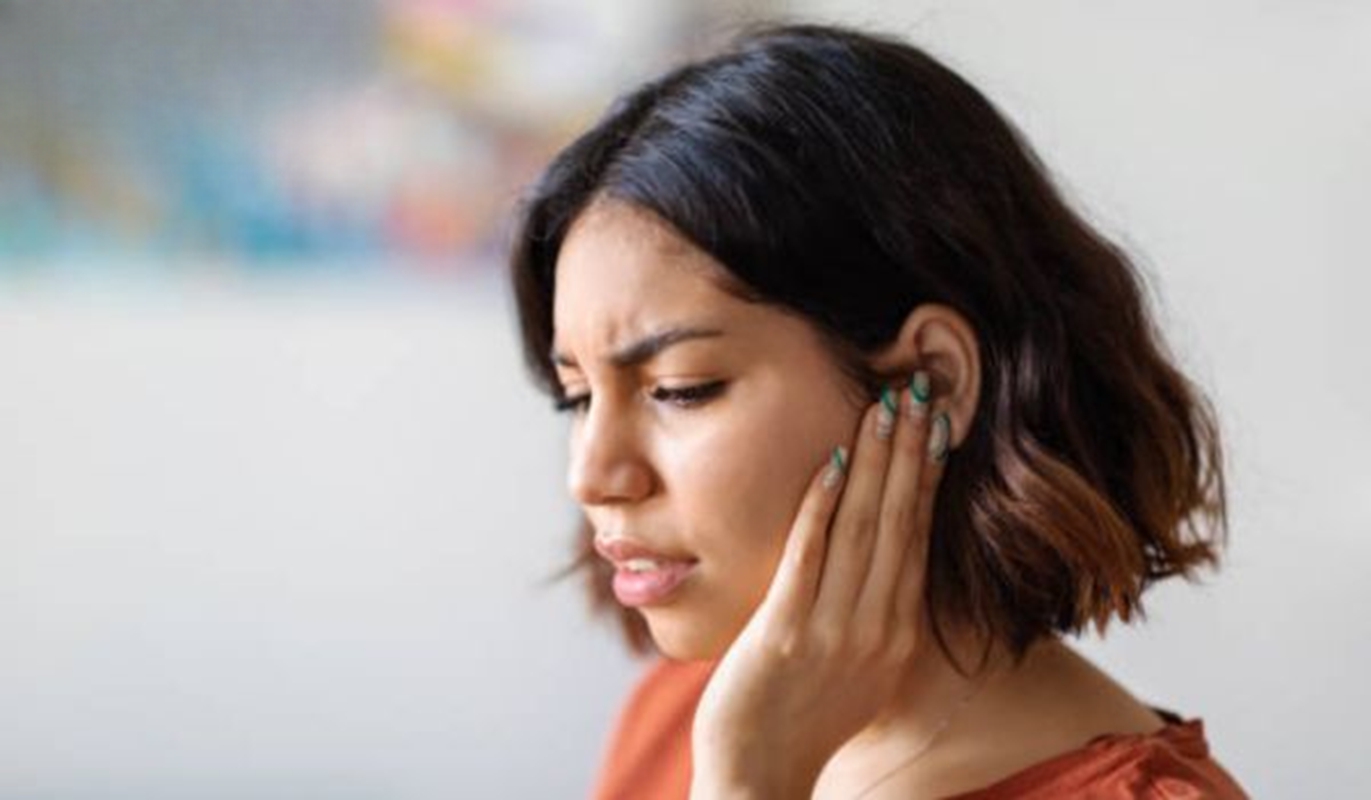
What do clogged ears feel like?
Clogged ears are often described as a feeling of fullness or pressure. Some symptoms of clogged ears include muffled hearing, popping sounds, ear pain, ringing in the ears (or tinnitus), or even dizziness. A clogged ear can sometimes be confused with sudden temporary hearing loss, which is a much more serious condition that requires care from a health professional. If you suspect that you have sudden temporary hearing loss, consult with your doctor immediately to find treatment options.
How to unclog your ears
Most cases of clogged ears will go away on their own after a few days. If your ears have just recently clogged up, it might be helpful to try chewing gum, yawning, or pinching your nose and exhaling to get your ears to pop. If your ears are clogged due to an illness or allergies, try using over-the-counter products such as decongestants, antihistamines, or nasal steroid sprays. You can also use ear drops to remove excessive ear wax with the guidance of a health care professional.
Why do my ears feel clogged during summer?
Feeling like your ears are clogged or “blocked” in the summer is quite common, often caused by seasonal factors.
- A primary cause is swimmer’s ear, which happens when water gets trapped in the ear canal after swimming, creating a moist environment where bacteria thrive. This can lead to inflammation, muffled hearing, and a clogged sensation. Even without swimming, humidity and sweat can contribute to excess moisture in or around the ears.
- Air pressure changes—especially during air travel or trips to the mountains —can also affect your ears. These shifts may block the Eustachian tubes, which normally balance ear pressure, resulting in a feeling of fullness or temporary hearing reduction.
- Summer infections and allergies are another factor. Elevated pollen, dust, and mold levels can trigger allergic reactions that cause inflammation and fluid buildup in the sinuses and Eustachian tubes, making ears feel plugged.
- Sometimes, the cause is as simple as earwax buildup. Heat and sweat can soften and shift the wax, blocking the ear canal.
If symptoms persist beyond a few days, or if you experience pain, dizziness, or discharge, it’s best to consult a hearing care professional. Though usually harmless, summer ear problems can lead to complications if not properly treated.
Why has my ear been clogged for days?
If your ear feels clogged for several days, it’s usually due to a blockage in the ear canal or Eustachian tube. This sensation can affect your hearing and balance.
- A common cause is earwax buildup—hardened wax can block the canal and make the ear feel full or muffled. Attempting to clean it with cotton swabs can push the wax deeper.
- Another frequent cause is Eustachian tube dysfunction, often triggered by colds, sinus infections, or allergies. This can lead to a plugged feeling that lasts days or even weeks. If your ear has felt clogged for a month or more, it shouldn't be ignored. Persistent congestion may be due to fluid behind the eardrum, a middle ear infection, or even hearing loss from inner ear issues
- Other possible causes include barotrauma from air pressure changes, TMJ disorders, or impacted debris like water or hair. In rare cases, it might point to more serious problems like a growth or abnormal pressure inside the ear.
If the clogged feeling persists or worsens, it’s important to see an ENT specialist. Long-term blockage can lead to complications or permanent hearing damage without proper treatment.
What to do if an ear feels clogged but doesn't hurt?
A clogged ear without pain is usually not serious, but it can be uncomfortable and affect your hearing. Several common causes may be responsible:
- Earwax Buildup: Excess wax can harden and block the ear canal, leading to a clogged sensation. Avoid using cotton swabs, as they often push wax deeper. Instead, use over-the-counter ear drops like carbamide peroxide to soften and clear the blockage.
- Eustachian Tube Dysfunction: This tube helps equalize pressure between your ear and throat. It can become blocked due to allergies, colds, or sinus congestion. To relieve the pressure, try yawning, swallowing, or chewing gum. Decongestants or antihistamines may help in cases related to allergies or infection.
- Air Pressure Changes: Flying or driving through high altitudes can affect your ears. The Valsalva maneuver—pinching your nose, closing your mouth, and blowing gently—can help restore balance.
- Trapped Fluid: Water from swimming or showering can become trapped, causing a blocked feeling. Tilting your head and gently tugging your earlobe, or using a warm compress, may help the fluid drain.
If symptoms persist for more than a few days, consult a hearing care professional to rule out infections or more serious issues.
What to do when an ear feels clogged and painful?
When your ear feels clogged and painful, it often signals an underlying issue like infection, inflammation, or pressure buildup. Unlike painless blockage, pain usually indicates a more serious condition that shouldn't be ignored.
- A middle ear infection (otitis media) is a common cause, often following a cold or sinus infection. Symptoms include pressure, sharp pain, muffled hearing, and sometimes fever. Over-the-counter pain relievers like ibuprofen or acetaminophen can ease discomfort, and a warm compress may help. If symptoms persist or worsen after a few days, consult a doctor—antibiotics may be necessary.
- Swimmer’s ear (outer ear infection) is another cause, usually due to trapped water in the ear canal. Pain often worsens when the ear is touched or tugged. Keep the ear dry and use drying drops if your eardrum is intact. A doctor may prescribe medicated drops.
- Sometimes, earwax impaction causes both pressure and pain. Avoid cotton swabs, which can worsen the issue. Use softening drops or seek professional removal.
If you experience severe pain, ear drainage, dizziness, or sudden hearing loss, seek prompt medical attention to prevent complications.
Why does my ear feel clogged with no wax buildup?
If your ear feels clogged but there's no wax buildup, several other factors could be responsible for the sensation. While earwax is a common cause, it's not the only one.
- One likely cause is Eustachian tube dysfunction. The Eustachian tubes connect your middle ear to the back of your nose and help equalize pressure. If they become blocked due to a cold, sinus infection, allergies, or changes in altitude (like during air travel), your ear may feel full, plugged, or pop occasionally. This can happen even without pain.
- Fluid buildup behind the eardrum (from allergies, congestion, or past infections) can also create a clogged sensation without visible wax. You may not notice pain, but your hearing could be slightly muffled.
- Another possibility is temporomandibular joint (TMJ) dysfunction, which affects the jaw joint near the ear. TMJ issues can cause pressure, fullness, and even mild discomfort in the ear, especially when chewing or talking.
- Less commonly, hearing loss, nerve irritation, or barometric pressure changes (such as flying or scuba diving) can also make your ear feel blocked without any actual obstruction.
Is it possible that one ear only feels clogged?
Yes, it is possible for only one ear to feel clogged. This is a common experience and can happen for several reasons, many of which are not serious but may still require attention. Here are some of the most common causes of unilateral (one-sided) ear clogging:
- Earwax Buildup – Even if there’s no wax visible, one ear might have impacted wax deeper in the canal, causing a blocked feeling.
- Eustachian Tube Dysfunction – This condition can affect just one ear, especially after a cold, allergies, or pressure changes from flying or diving. It causes the ear to feel full or clogged due to pressure not equalizing properly.
- Ear Infection – A middle or outer ear infection can develop in just one ear, causing fullness, discomfort, and sometimes fluid buildup.
- TMJ Disorder – Jaw joint issues on one side can lead to a sensation of fullness or pressure in the nearby ear.
- Sudden Hearing Loss – In rare cases, a sudden clogged feeling in one ear could indicate an inner ear problem or sensorineural hearing loss, which requires urgent medical attention.
What to do when ears feel clogged and ringing?
If your ears feel clogged and you hear a ringing sound (tinnitus), several underlying conditions could be responsible, ranging from temporary issues to more serious health concerns. Common causes include earwax buildup, which can block the ear canal and trigger ringing; Eustachian tube dysfunction from allergies, colds, or sinus congestion, leading to pressure and noise; and hearing loss, either age-related or noise-induced, which may begin with fullness and tinnitus. Fluid or infections in the ear, often accompanied by pain or muffled hearing, can also cause these symptoms. Additionally, TMJ (temporomandibular joint) dysfunction can affect nearby nerves and muscles, creating similar sensations.
To manage symptoms, try nasal decongestants or antihistamines for congestion, and relieve pressure by yawning, swallowing, or chewing gum. Avoid loud environments, as they can worsen tinnitus, and limit caffeine, alcohol, and salt, which may aggravate symptoms. Stay hydrated to support overall ear health.
If clogged ears and ringing persist beyond a few days or worsen, see a doctor or ENT specialist. Early diagnosis is key— treating the cause promptly can prevent complications and improve comfort and hearing quality.
Best ear drops for clogged ears
When your ears feel clogged, using the right type of ear drops can offer relief by targeting the cause—whether it’s earwax buildup, trapped water, or mild inflammation. Here are the most effective types of ear drops and when to use them:
- For Earwax Buildup: If your ears are blocked due to hardened or excess wax, peroxide-based ear drops are a good choice. These typically contain carbamide peroxide or hydrogen peroxide, which help break down and soften the wax so it can exit the ear naturally. For a gentler option, especially for sensitive skin, oil-based drops like olive oil or almond oil can lubricate and loosen the wax gradually.
- For Trapped Water: If your ears feel clogged after swimming or showering, drying ear drops can help. These usually contain isopropyl alcohol combined with a softening agent to evaporate moisture trapped in the ear canal and reduce the risk of infection (commonly known as swimmer’s ear).
- For Mild Inflammation or Irritation: If the clogged sensation is due to inflammation, such as from allergies or minor irritation, anti-inflammatory ear drops may be recommended—but only under medical supervision. These may help reduce swelling in the ear canal and relieve pressure.
- Do not use any ear drops if you suspect a perforated eardrum, have ear pain with discharge, or have had recent ear surgery.
If symptoms persist for more than a few days, or get worse, consult physician or hearing care professional to rule out infection or other conditions.
Best medicine and decongestant for clogged ears
When your ears feel clogged, the right medication can help, depending on the cause—whether it’s sinus pressure, allergies, or fluid buildup. Treatments often include decongestants, antihistamines, or nasal sprays to reduce inflammation and restore Eustachian tube function.
For congestion caused by a cold or sinus issues, oral decongestants can reduce swelling in the nasal passages and Eustachian tubes, helping air pressure equalize more easily. Nasal decongestant sprays also offer quick relief but should be used for no more than three days to avoid rebound congestion.
If allergies are the cause, antihistamines are usually the best choice. They block the body’s allergic response, reducing inflammation that can affect both the nose and ears. Long-acting, non-drowsy antihistamines are ideal for maintaining consistent relief.
In cases of Eustachian tube dysfunction or persistent pressure, a combination of a decongestant and antihistamine may be most effective—but always consult a doctor before starting combination therapy, especially if you have other medical conditions.
If symptoms persist for more than a week or include pain, hearing loss, or dizziness, seek medical attention. These could signal an infection or a condition requiring prescription treatment.
Best nasal spray for clogged ears and how to use it
If your ears feel clogged due to sinus pressure, allergies, or Eustachian tube dysfunction, nasal sprays can help relieve the blockage by reducing inflammation in the nasal passages. This, in turn, helps open the Eustachian tubes, which regulate pressure between the middle ear and the back of the nose.
There are three main types of nasal sprays that may help. Saline sprays are non-medicated and gently flush out mucus, allergens, and irritants. They’re safe for daily use and support overall nasal hygiene. Steroid nasal sprays are effective for allergy-related congestion, reducing inflammation over time, though they may take a few days to work. Decongestant sprays provide fast relief by shrinking swollen tissues but should be used for no more than three days to avoid rebound congestion.
To use a nasal spray properly, gently blow your nose first. Tilt your head forward, insert the nozzle into one nostril while closing the other, and aim slightly away from the center of the nose. Inhale gently while spraying and repeat in the other nostril if needed. Avoid blowing your nose immediately afterward to allow the spray to take effect. Proper use can ease ear pressure and restore comfort within a few days.
Can a stuffy nose and clogged ears mean I have COVID-19?
A stuffy nose and clogged ears can be uncomfortable and are often linked to colds, allergies, or sinus infections. However, they may also be early signs of COVID-19, especially with newer variants that present with cold-like symptoms. Clogged ears aren’t typically a direct symptom of COVID-19 but can result from nasal congestion. When your nose is blocked, pressure or fluid can build up in the Eustachian tubes, causing ear fullness or blockage.
If these symptoms occur alongside a sore throat, fatigue, cough, fever, headache, or loss of taste or smell—especially if they appear suddenly—it’s wise to take a COVID-19 test. Recent exposure to someone who tested positive also increases the need for testing. While rest, fluids, and over-the-counter remedies may ease symptoms, ongoing ear pressure or pain should be checked by a doctor. Even if COVID-19 isn’t the cause, it could be due to a sinus infection or another ear issue. In any case, testing offers clarity and ensures proper care, especially when symptoms are unusual or persistent.
Can I have clogged ears from a cold or a sinus infection?
Clogged ears are a common symptom of both colds and sinus infections, often caused by inflammation and mucus buildup in the nasal passages. This congestion can block the Eustachian tubes, which connect the middle ear to the back of the nose and throat, making it difficult for them to regulate air pressure. As a result, you may feel pressure, fullness, or popping in the ears, and experience muffled hearing. Sinus infections can make these symptoms worse due to increased inflammation and fluid buildup, which may cause longer-lasting ear congestion. In some cases, fluid collects behind the eardrum, further affecting comfort and hearing.
To ease symptoms, use nasal decongestants or saline sprays to reduce swelling and clear mucus. Warm compresses and steam inhalation can relieve sinus pressure, while swallowing, yawning, or chewing gum may help open the Eustachian tubes. However, if your ears remain clogged for more than a week or you develop additional symptoms such as ear pain, fever, or dizziness, see a doctor. These could indicate an ear infection or a condition requiring prescription treatment. Prompt care can prevent complications and speed recovery.
Can I have a clogged ear after a flight?
It’s common to experience a clogged ear after flying, especially during take-off or landing, due to rapid changes in cabin air pressure. This condition, known as airplane ear (or ear barotrauma), occurs when the Eustachian tubes—which regulate pressure between the middle ear and the outside environment—fail to open properly. This can be caused by congestion, allergies, or a slow adjustment to altitude changes. As a result, you may feel pressure, fullness, muffled hearing, or a clogged sensation in one or both ears, sometimes accompanied by popping sounds.
To relieve a clogged ear after flying, try swallowing, yawning, or chewing gum to help open the Eustachian tubes. You can also perform the Valsalva maneuver: gently pinch your nose, close your mouth, and blow softly to equalize pressure. If you’re congested, use a nasal decongestant spray before descent. A warm compress over the ear may also help relieve pressure.
Most clogged ears resolve within a few hours to a couple of days. However, if symptoms persist for more than a few days or include pain, dizziness, or hearing loss, consult a doctor to rule out fluid buildup or mild ear barotrauma.
Allergies and clogged ears
Yes, allergies can cause clogged ears, and it’s more common than many realize . When you're exposed to allergens like pollen, dust, pet dander, or mold, your immune system responds by releasing histamines. This triggers inflammation and excess mucus in the nasal passages and sinuses, which can affect the Eustachian tubes—small channels connecting the middle ear to the back of the nose and throat. When these tubes become swollen or blocked, they struggle to regulate air pressure, resulting in a full, clogged, or popping sensation in the ears. You might also experience mild hearing loss, ringing (tinnitus), or pressure on one or both sides.
To relieve allergy-related clogged ears, antihistamines can reduce the allergic response and ease inflammation. Saline nasal sprays help flush out allergens and clear congestion, while corticosteroid nasal sprays are useful for ongoing symptoms. Chewing gum, yawning, or swallowing can also help open the Eustachian tubes. Avoiding known allergens is key to preventing flare-ups.
If your ears remain clogged for several days or if pressure becomes painful, consult a doctor or ENT specialist, as untreated congestion can lead to fluid buildup or middle ear infections.
Ear clogged and ringing or dizziness symptoms
A clogged ear accompanied by ringing (tinnitus) or dizziness may indicate more than a minor issue—it often suggests a problem in the middle or inner ear. These symptoms commonly occur together and can result from various causes.
Eustachian tube dysfunction is a frequent culprit, where blocked tubes—due to allergies, a cold, or sinus congestion—prevent proper pressure regulation, leading to fullness, ringing, and imbalance. Another possible cause is earwax impaction; excess wax pressing against the eardrum can muffle hearing, trigger ringing, and sometimes cause dizziness, especially if balance is affected.
More serious conditions like inner ear infections, Meniere’s disease, or labyrinthitis involve inflammation or fluid buildup in the inner ear, often producing clogged sensations, tinnitus, and vertigo. These require medical attention. In rare but urgent cases, symptoms could signal sudden sensorineural hearing loss—a medical emergency needing immediate care.
If symptoms persist for more than a few days, or if they appear suddenly or severely, it’s important to consult a doctor or ENT specialist. Early diagnosis improves outcomes and helps prevent complications, ensuring you receive the most effective treatment for the underlying cause.
Home remedies for clogged ears
A clogged ear can be uncomfortable, but many cases can be safely treated at home using simple remedies, depending on the cause.
Steam inhalation from a hot shower or bowl of water can loosen mucus and relieve sinus pressure, helping open the Eustachian tubes. A warm compress placed over the affected ear can also encourage drainage and improve circulation, especially if the issue is due to fluid buildup. Swallowing, yawning, or chewing gum can help equalize pressure by opening the Eustachian tubes.
The Valsalva maneuver—gently blowing with your mouth closed and nose pinched—may balance ear pressure but avoid forceful blowing to prevent damage. For nasal or sinus congestion, a saline nasal rinse or spray can reduce inflammation and pressure on the ears.
If the clog is due to earwax, placing a few drops of warm olive or mineral oil in the ear may soften the wax for easier removal. However, avoid this method if you suspect an ear infection or have a perforated eardrum.
If symptoms persist beyond a few days or are accompanied by pain, fever, or hearing loss, consult your PMD or hearing care professional to rule out infection or other complications.
The above is the interpretation of How to Unclog Your Ears Based on the Underlying Cause provided by Chinese hearing aid supplier Shenrui Medical. Link https://www.srmcm.com/Blog/How_to_Unclog_Your_Ears_Based_on_the_Underlying_Cause.html of this article is welcome to share and forward. For more hearing aid related information, please visit Blog or take a look at our Hearing aids products