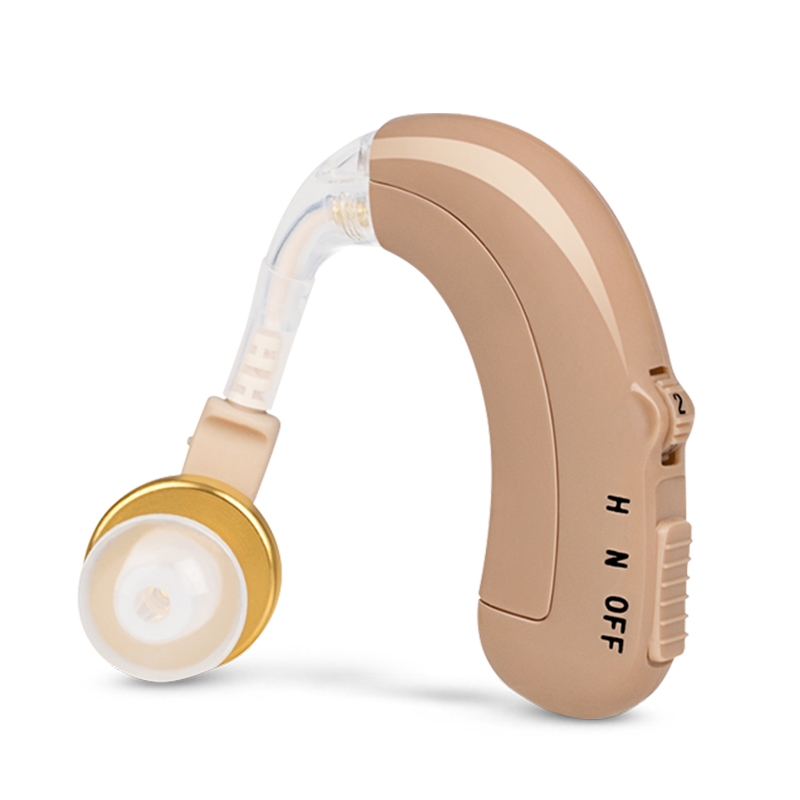
This article explores the connection between hearing loss and genetics, explaining that while environmental factors like noise exposure are significant contributors to hearing impairment, genetic predisposition also plays a crucial role. It highlights different types of hearing loss, such as sensorineural (damage to inner ear or nerves) and conductive (obstruction in the outer or middle ear), both of which can be hereditary. Rare genetic disorders like Waardenburg syndrome are mentioned, which may cause severe hearing loss alongside physical changes. Additionally, the article emphasizes how environmental factors—such as loud noises, smoking, obesity, and infections—can exacerbate hearing issues, regardless of genetic predisposition. The author suggests protective measures, such as using earplugs, avoiding prolonged exposure to loud noises, and consulting medical professionals for genetic screenings or treatments. Overall, the piece underscores the importance of understanding both genet

Is your hearing loss genetic? This blog covers different types of hearing loss and the people that are prone to them.
Hearing Loss and Genetics
Although hearing loss often results from prolonged exposure to loud noises, it can also be a result of genetics. Hearing loss is the most common type of sensory disorder, and about 60 percent of early-onset hearing loss can be associated with genes. Sensorineural hearing loss is often times passed down through families, and it takes place when there is damage to either the inner ear or nerves connecting the inner ear to the brain. This particular kind of illness can also be caused by head trauma or taking drugs that are ototoxic, or harmful to the inner ear. Another form of hearing loss that can be passed down in a family is conductive hearing loss, which happens when the outer ear canal is inhibited from sending external noise to parts of the middle ear. The condition often limits a person’s ability to hear faint noises. Conductive hearing loss can be treated through surgery and medication. People can also display a mixture of sensorineural hearing loss and conductive hearing loss. There are even genetic disorders that induce hearing loss as a side effect. Waardenburg syndrome usually does not affect hearing, but can change coloration in eyes, hair, and skin, resulting in a person having eyes of two different colors, white patches of hair, and multiple skin tones. Though rare, the disease has been linked to severe hearing loss, with people displaying signs of hearing impairment at birth.Hearing Loss and the Environment
Although you may be more prone to hearing loss due to genes, often times it is the noise from your environment that has a greater impact on healthy hearing. Safeguarding measures such as wearing earplugs, taking breaks from music concerts, and using decibel apps such as Decibel 10th can help prevent damage to your daily environment. Noises louder than 100 decibels, the same amount of noise given off by a motorcycle, can cause hearing damage if exposure lasts for more than 15 minutes. Be sure to visit your doctor's office, where you can not only get a routine physical examination but also a genetic screening test to determine if you are prone to certain types of hearing loss. Medical teams of otolaryngologists, audiologists, and geneticists are qualified to diagnose and treat inherited hearing loss. The genes responsible for hearing loss may not show up actively in most family members, but can still be passed on. Like many other medical conditions, it is better to research your extended family history to find out which illnesses run in the family. Other surprising factors that contribute to hearing loss include smoking, obesity, and bacterial infections during childhood. Although the genes in your family may not pose a threat, being in a home environment that exposes you to second-hand smoke, promotes unhealthy eating, and practices poor hygiene can be just as harmful to your health.by Aaron Rodriques
The above is the interpretation of Is Hearing Loss Genetic? provided by Chinese hearing aid supplier Shenrui Medical. Link https://www.srmcm.com/Blog/Is_Hearing_Loss_Genetic.html of this article is welcome to share and forward. For more hearing aid related information, please visit Blog or take a look at our Hearing aids products