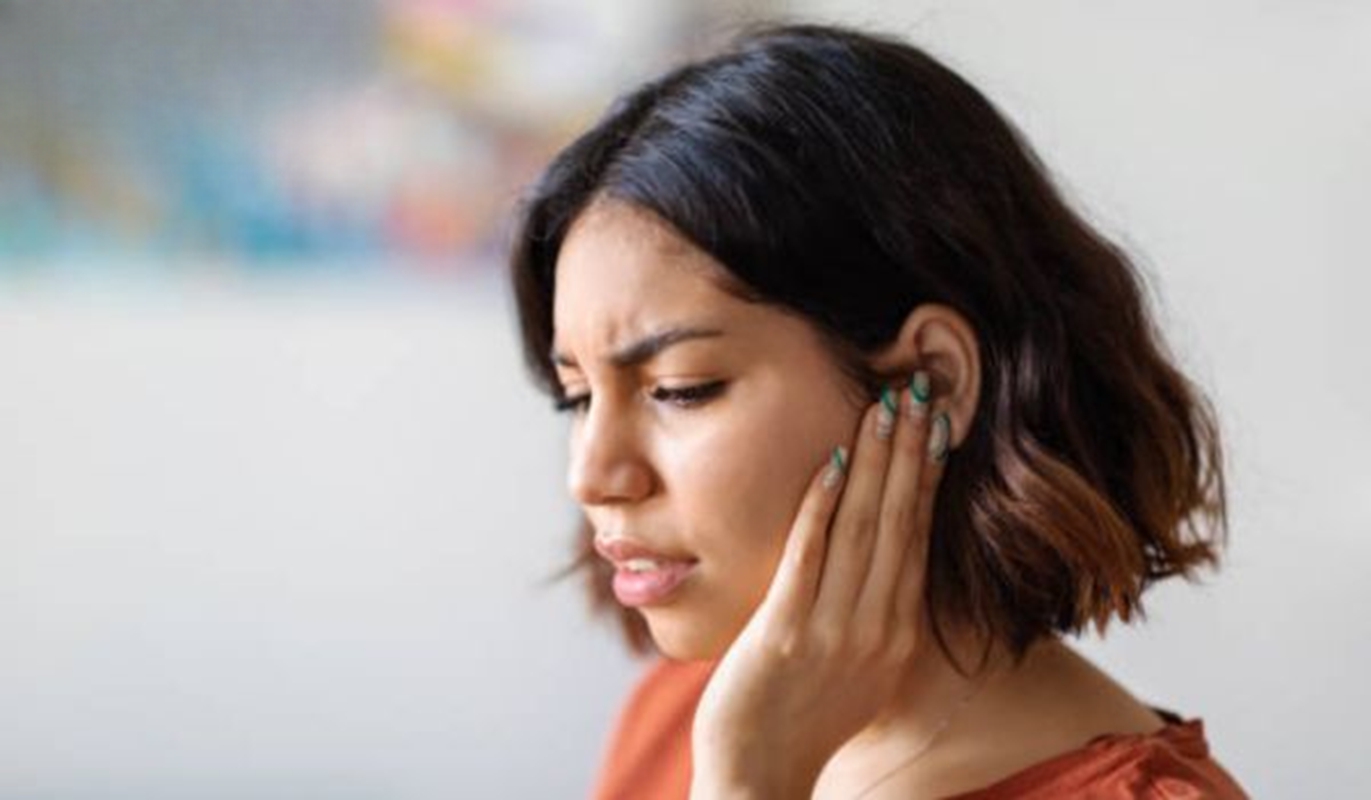
Everyone has certain sounds that make them a bit distressed or irritated. It’s common for people to cringe when fingernails scratch across a chalkboard or react to the sound of chewing and smacking when someone eats. When these sounds go beyond annoyance and discomfort, misophonia or hyperacusis might be the cause. These conditions can range from mild discomfort to debilitating reactions. Fortunately, both conditions are treatable once the actual condition is determined. This article will explore the differences between these conditions and the available treatment options.
What’s the Difference Between Misophonia and Hyperacusis?
Facts About Hyperacusis
Patients suffering from hyperacusis respond to certain sounds by experiencing physical pain. This pain varies from mild distress to significant enough to be disabling. Hyperacusis symptoms include hearing loss, severe pressure, and tinnitus intense enough to cause pain. Hyperacusis can be triggered by:
• Sounds above a particular volume
• Sounds that are low-frequency
• Sounds that are high-frequency
The hyperacusis condition is rooted in physical trauma, such as exposure to dangerous sound levels or traumatic impacts to the head. Any damage to the inner ear can result in developing hyperacusis. Although the exact cause of this condition is unknown, it’s suspected that it may be related to the auditory nerve.
Treatment Options
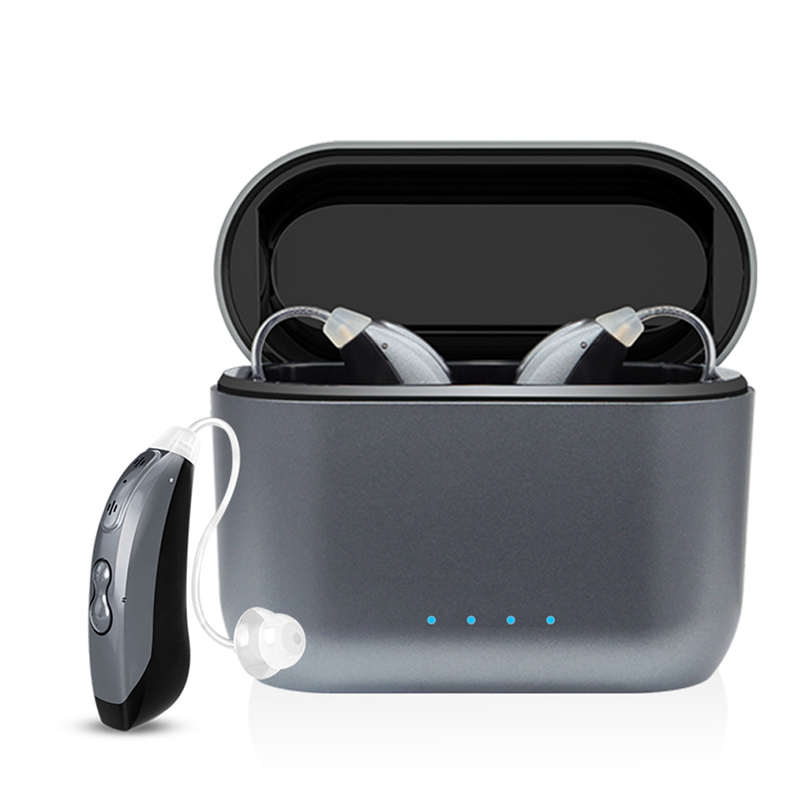
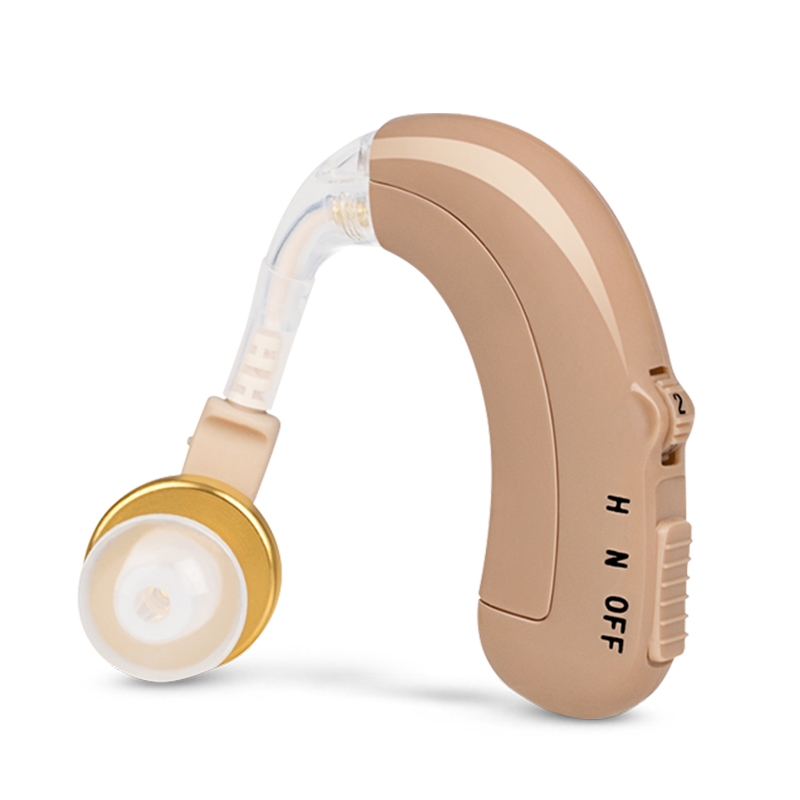
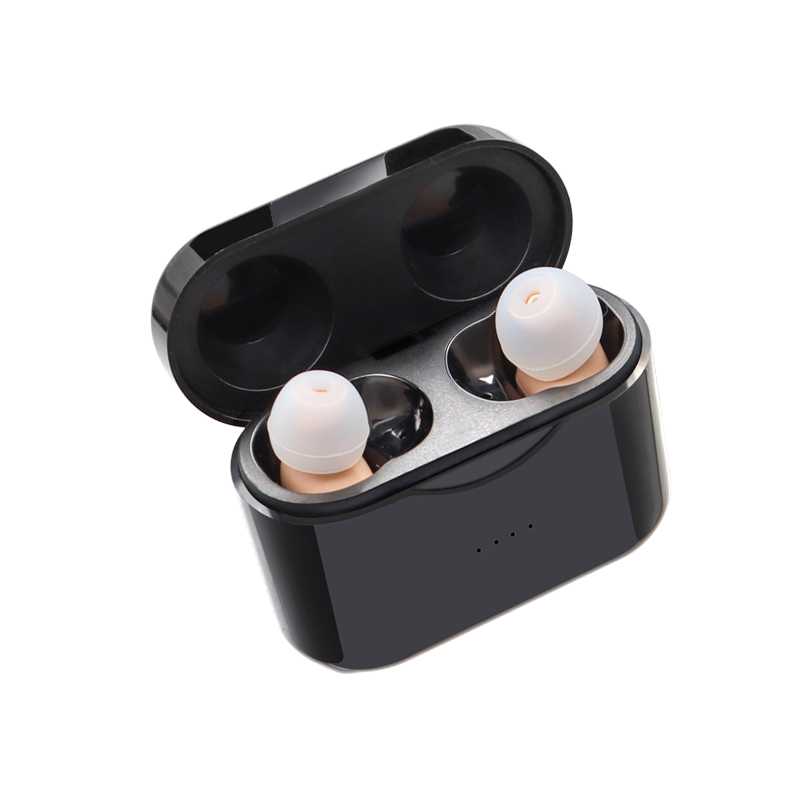
The recommended treatments for hyperacusis include physical interventions like hearing aids or sound therapies that help condition the brain to disregard the sounds by reprogramming the auditory system.
Facts About Misophonia
Sufferers of misophonia experience more of an anxiety-driven emotional response. These pronounced negative responses can temporarily shut down a patient’s faculties and emotionally paralyze them. These sounds can literally be anything, the sounds of loud chewing, repeated clicking noises, buzzing, and even bells have been reported as trigger events. The most common symptoms include:
• Anxiety
• Panic
• Anger or irritability
In some cases, these emotional reactions are accompanied with physical symptoms such as:
• Trembling
• Sweating
• Increased heart rate
• Headache
Each patient suffering from misophonia has a unique response triggered by sounds specific to their case. While the actual underlying cause of misophonia remains a mystery, it is considered to be an emotional or mental disorder.
Treatment Options
The best approach to treating misophonia is through counseling. Trained therapists can help determine the root cause and prescribe sound or cognitive behavioral therapy to help cope and find relief.
The above is the interpretation of Misophonia and Hyperacusis: What's the Difference? provided by Chinese hearing aid supplier Shenrui Medical. Link https://www.srmcm.com/Blog/Misophonia_and_Hyperacusis__What_s_the_Difference.html of this article is welcome to share and forward. For more hearing aid related information, please visit Blog or take a look at our Hearing aids products