One of the most common causes of hearing loss in young adults, otosclerosis is a disease that affects the bones of the middle ear. Otosclerosis affects the stapes bone, which is the smallest hone in the human body, yet the stapes plays a crucial role in your ability to hear. Having the ability to hear means the stapes bone, one of the three small bones of the middle ear, can move freely. However, when a person has otosclerosis, abnormal bone remodeling happens on the stapes bone and causes it to become fixed in place. When the stapes bone can’t move freely and vibrate, it disrupts the movement of sound, and the person’s hearing becomes impaired as a result. Muffled sounds and the inability to hear certain sounds are just some of the symptoms of otosclerosis.
What are the signs and symptoms of otosclerosis?
Signs and symptoms of otosclerosis can start as early as 10 years old, but they usually begin around age 20 and can continue to get worse until the age of 50. A person suffering from otosclerosis can experience the following symptoms:
• Problems with balance
• Tinnitus or ringing in the ears
• Dizziness
• Hearing problems during pregnancy
• Gradual hearing loss
• Inability to hear low-pitched sounds
• Hearing loss starts in one ear and then moves to the other ear
While the exact reasoning behind why otosclerosis occurs is still unclear, this condition affects an estimated 10 percent of adult Caucasians and can be inherited. Middle-aged, Caucasian women are mostly affected, and it can even occur during pregnancy.
What increases my risk for otosclerosis?
Any of the following has been linked to an increased risk for developing otosclerosis:
• Having an immune disorder
• Being a woman
• Bones of the middle ear are fractured
• Pregnancy
• Family history of otosclerosis
• How is otosclerosis treated?
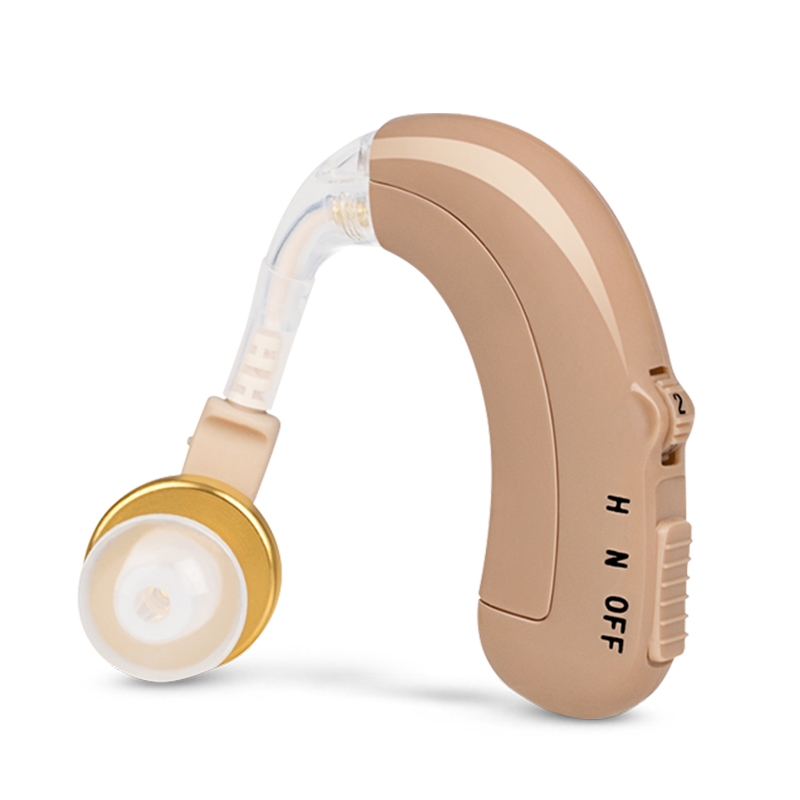
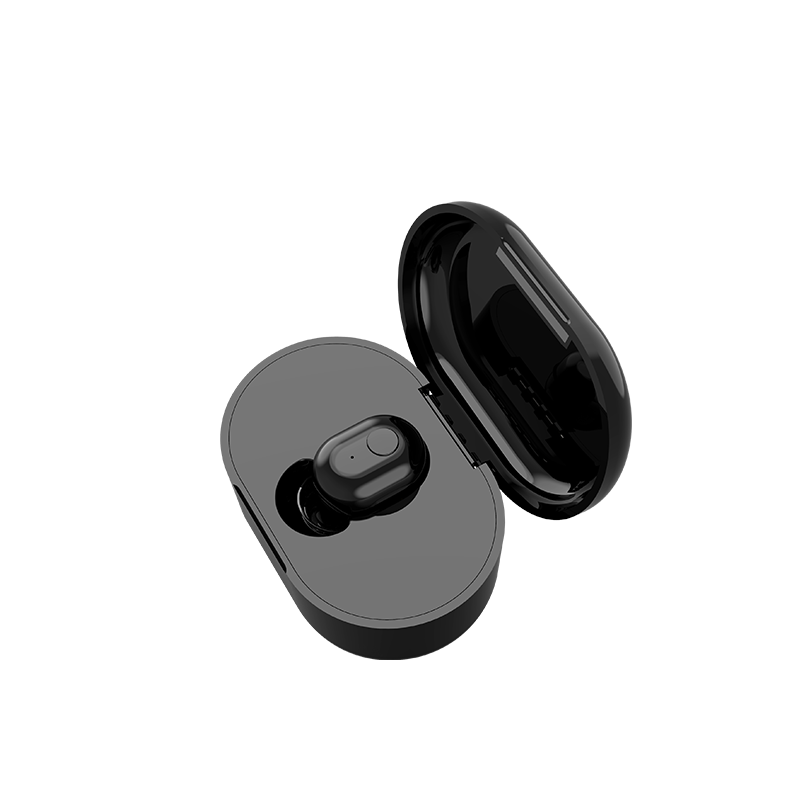
Treatment options for otosclerosis vary, as it depends on the severity of the disease. If you have a mild case, your doctor may suggest observation or the use of a hearing aid to help amplify sound. In some instances, sodium fluoride may be prescribed to slow the progression of the disease. In severe cases, a stapedectomy is performed to help improve or restore hearing loss.
The above is the interpretation of Recognizing the Signs of Otosclerosis provided by Chinese hearing aid supplier Shenrui Medical. Link https://www.srmcm.com/Blog/Recognizing_the_Signs_of_Otosclerosis.html of this article is welcome to share and forward. For more hearing aid related information, please visit Blog or take a look at our Hearing aids products