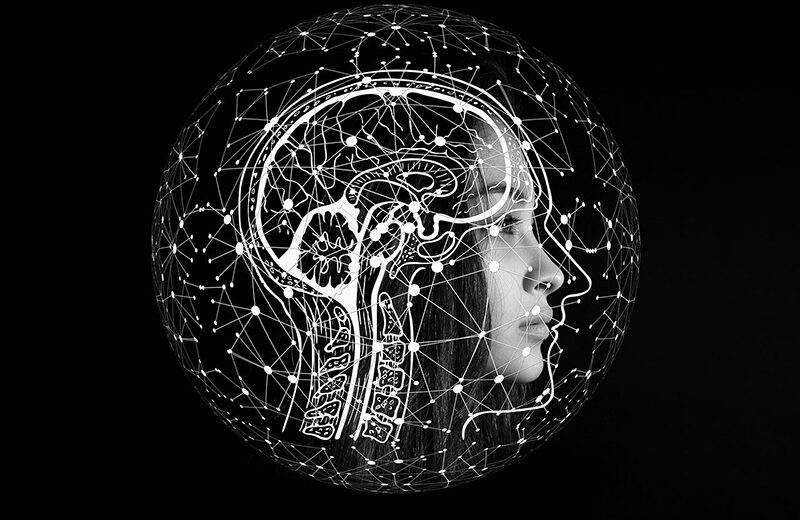
The brain handles cognitive and emotional functions as the most complex organ in the human body. It directs the activity of other organs, including the ear, which is responsible for hearing. This article will explore the role of the brain in hearing and what happens when the auditory system and the brain do not coordinate properly.
What is the Role of the Brain in Hearing?
Thanks to the brain’s precision and complexity, we can filter out background noise and help directly focus on the voice we need to understand. In a noisy environment, the brain can also amplify the sound of our voice during a conversation. However, when the brain and hearing are not in sync, it can lead to issues. In order to detect and differentiate sounds, the ear converts sound waves into information transmitted to the brain. For us to hear properly, sound waves must reach the eardrum from the outer ear, causing it to vibrate. The ossicles – the malleus, anvil, and stapes – then receive this vibration and send it to the inner ear, where the cochlea stimulates the stereocilia. The stereocilia then send electrical impulses via the auditory nerve to the brain.
How Changes in Brain Function Can Cause Hearing Loss and Other Complications
Conductive hearing loss requires additional cognitive effort to distinguish speech from background noise. In contrast, sensorineural hearing loss happens when the auditory nerve fails to process sound, even when sound waves correctly reach the inner ear. Additionally, hearing difficulties may stem from brain-related conditions such as tinnitus, which induces a buzzing or ringing sensation in the ears without an external source. Research from Hear-it suggests hearing loss can cause cerebral alterations, potentially resulting in tinnitus.
How the Brain Adapts to the Loss of Hearing
According to recent research conducted at the University of Colorado Boulder, individuals with even mild hearing loss can experience changes in their brain function. The study utilized advanced scanning technology to examine the brains of those with hearing difficulties and found that as their hearing decreased, their other senses became more prominent. Specifically, the scans revealed that the frontal lobe, which is responsible for memory, became activated when individuals anticipated sounds. This suggests that the brain is adapting to compensate for hearing loss.
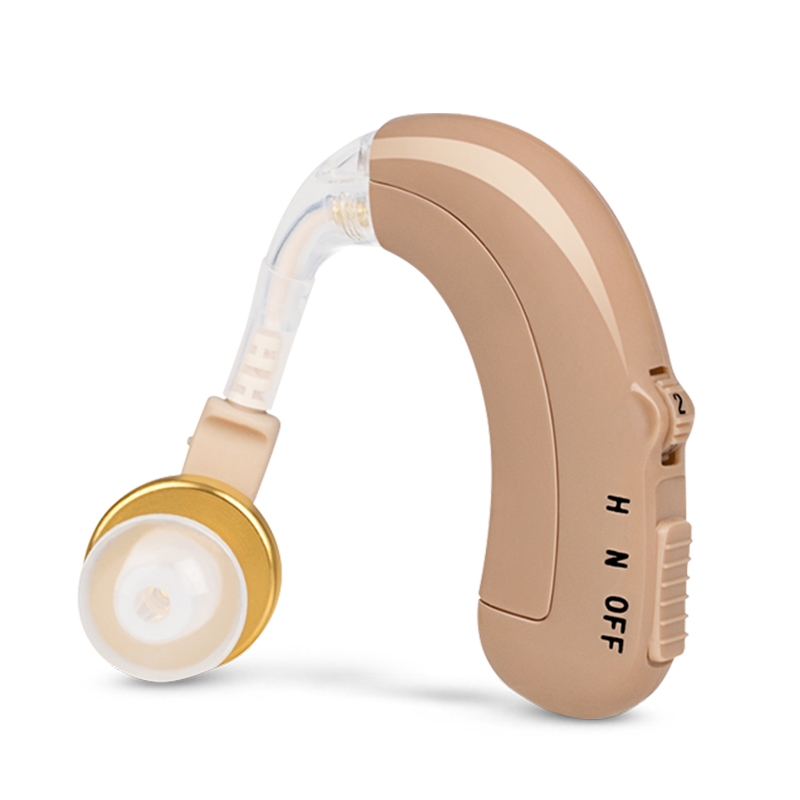
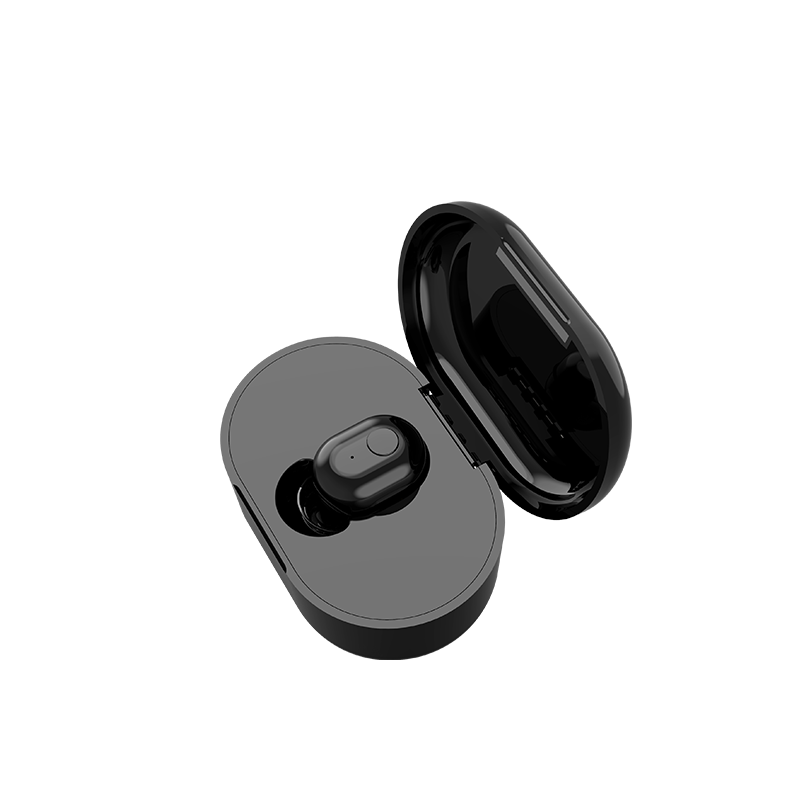
Furthermore, the study found that regular use of hearing aids can help the brain adapt and function similarly to someone with normal hearing. This highlights the importance of seeking treatment for hearing loss, as it can improve hearing and positively impact brain function. The findings of this study have significant implications for individuals with hearing difficulties and underscore the importance of addressing hearing loss in a timely manner.
Other Issues and Disorders That Can Be Caused by Hearing Loss
Experiencing hearing difficulties can be a bewildering and isolating experience, and it can significantly impact one’s mental well-being. Studies have shown that those who don’t use hearing aid devices are 50% more likely to suffer from depression. At the same time, other research has indicated that hearing loss and deafness may result in emotional and behavioral problems. As our hearing is closely linked to the proper functioning of our brain, it is crucial to maintain good hearing hygiene and have regular check-ups to detect any changes in our hearing.
The above is the interpretation of Role of the Brain in Hearing: What's the Connection? provided by Chinese hearing aid supplier Shenrui Medical. Link https://www.srmcm.com/Blog/Role_of_the_Brain_in_Hearing__What_s_the_Connection.html of this article is welcome to share and forward. For more hearing aid related information, please visit Blog or take a look at our Hearing aids products