Age-related hearing decline often starts subtly, making it easy to miss the early signs of hearing loss. Recognizing these warning signs early is key to effective treatment and preserving quality of life.
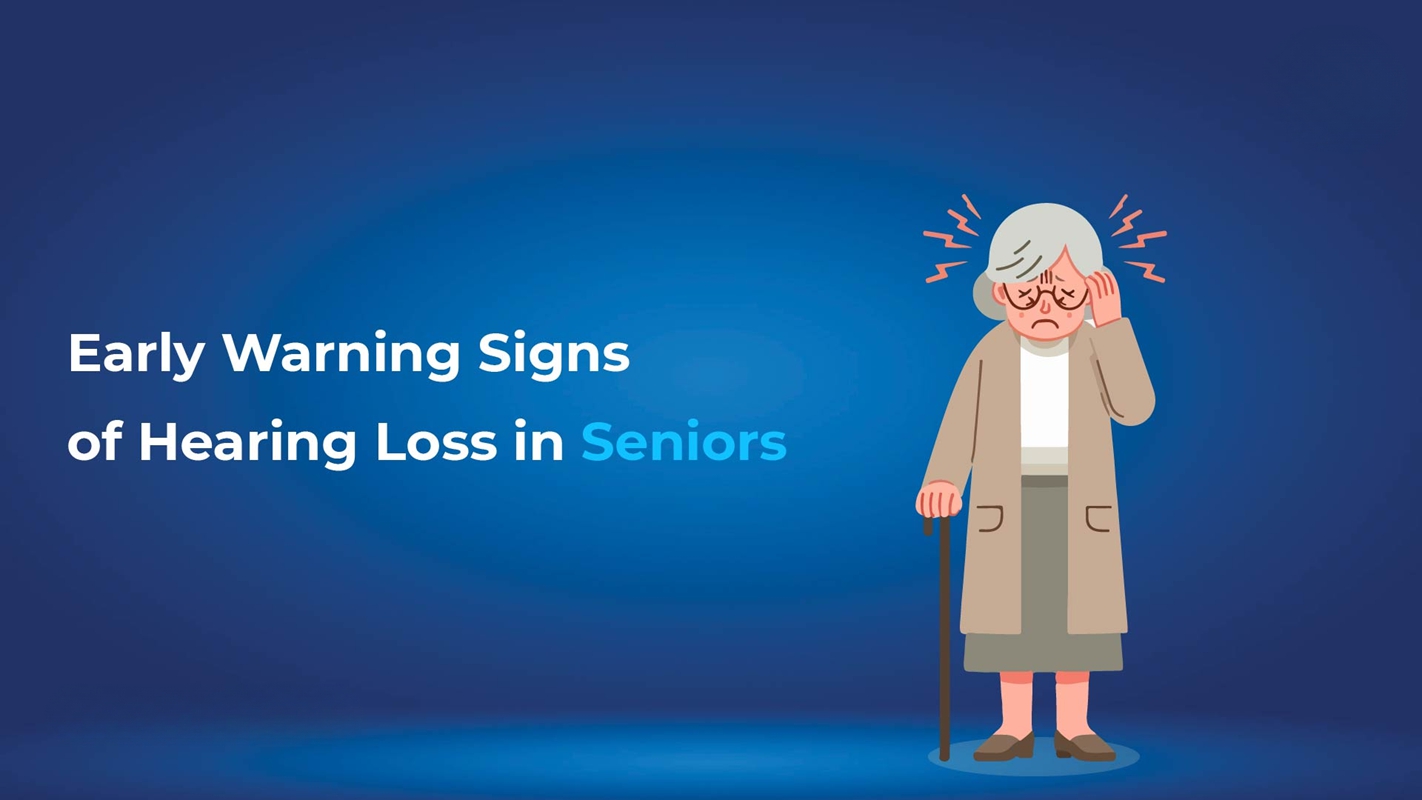
Common Early Symptoms of Hearing Loss in Older Adults
- Difficulty following conversations in noisy environments: Trouble hearing speech when background noise is present
- Frequently asking others to repeat themselves: A common sign of missed words or partial hearing loss
- Increasing the TV or radio volume: Volume settings become noticeably higher than normal
- Speech sounds muffled or unclear: Difficulty hearing high-frequency consonants like “s” or “t”
- Gradual onset of symptoms: Changes may go unnoticed without regular hearing checks
Why Seniors Over 60 Should Take Hearing Tests Regularly
Hearing loss often develops gradually, making it hard to notice until it begins to impact daily life. That’s why scheduling a hearing test for seniors is essential, especially once a person crosses the age of 60.
Baseline hearing test by age 60
- Establishes a reference point for future comparison
- Detects early hearing decline, even without symptoms
Early hearing loss detection improves outcomes
- Easier to manage with hearing aids or sound therapy
- Prevents social isolation and cognitive decline
Annual hearing checks recommended for seniors at risk
- Risk factors: diabetes, high blood pressure, noise exposure
- Critical for tracking changes over time
Audiologists assess early-stage hearing issues
- Use tone, speech clarity, and middle ear function tests
- Identify the type and severity of hearing loss
Knowing when to get a hearing test is essential
- Start at age 60 and repeat annually
- Proactive testing maintains independence and quality of life
Untreated Hearing Loss Can Affect Quality of Life
Untreated hearing loss leads to daily frustration.
- Difficulty in following conversations.
- Increased reliance on repetition during interactions.
Causes social withdrawal.
- Seniors may avoid group settings or public places.
- Reduces social engagement and confidence.
Linked to cognitive decline
- Greater risk of memory loss and reduced concentration.
- Increases the chances of dementia over time.
Early detection through hearing tests is crucial.
- Identifies hearing loss before it worsens.
- Enables early use of hearing aids or assistive devices.
Proper diagnosis allows effective treatment.
- Audiologists tailor solutions based on hearing loss type.
- Improves communication, independence, and mental sharpness.
Managing age-related hearing decline boosts quality of life.
- Supports emotional well-being and daily functioning.
- Encourages long-term health and engagement.