Hearing aids CAN improve your hearing
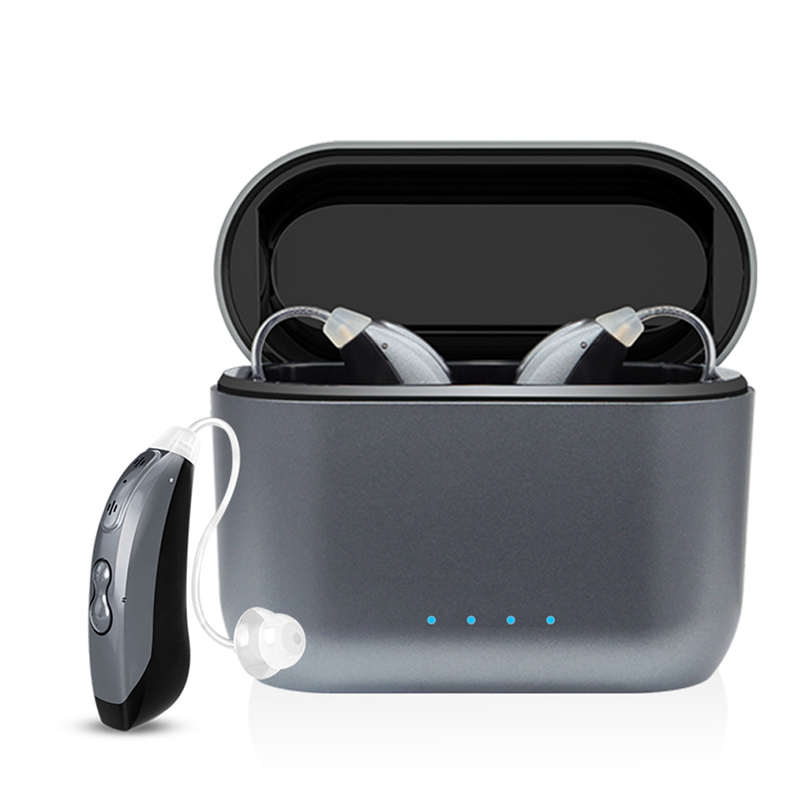
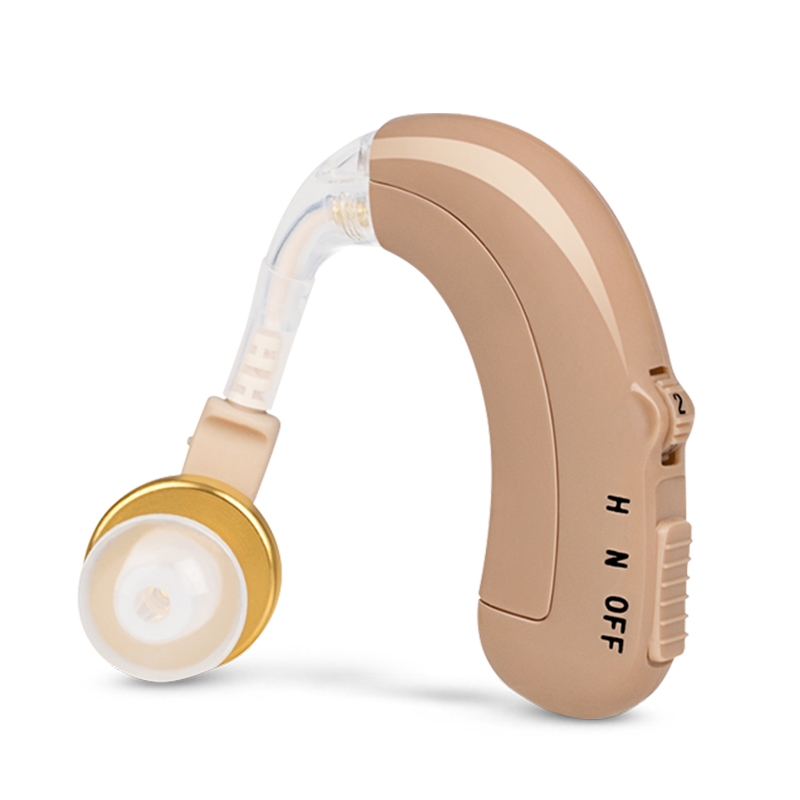
Hearing aids are a common treatment for hearing loss, since, when used correctly, they are one of the few things that can help improve a person’s ability to hear.
Dr. Tedeschi notes that hearing loss has two dimensions. “We have the hearing, which is the sound itself, and we have the understanding of speech. Speech understanding takes place in the brain and hearing takes place along the ‘transmission line’ to the brain.” If hearing loss goes untreated over a period of time, speech understanding can be affected as well. So, what hearing aids can do, when worn consistently, over time, is improve that understanding ability.
But how do hearing aids work to make that happen? They help deliver sound signals more effectively, magnifying sound vibrations entering the ear. Remaining hair cells in the cochlea can detect these more significant vibrations and send the signal to the brain.
Hearing aids CAN'T correct hearing loss
While hearing aids can improve your ability to hear the world around you, they don’t cure hearing loss. That’s why, when a person removes their hearing aids at the end of the day, their hearing hasn’t actually gotten better.
“When we have damage to the ‘transmission line,’ we cannot replace or correct it,” Dr. Tedeschi says. “But what we can do is help that signal get to the brain.
“The brain is very plastic, and it can learn. We're not regenerating anything in the brain, but we're helping the brain to be able to [interpret] that signal [more clearly] and thus be able to help us hear better,” he says. “I always tell people, it's just what the name implies: We call it a hearing aid. It's a device to aid us in hearing.”
Dr. Tedeschi says he always reminds his patients that hearing aids will not give a person perfect hearing. “Don’t think that you’re going to become James Bond and that you’ll hear everything across the room or pick up 100% of what is said.” After all, even those without hearing loss don’t hear everything. However, hearing aids can make an enormous difference. “It’s going to change your life. But don’t expect it to be the panacea for everything,” he says.
Hearing aids CAN help you re-adjust to hearing with regular wear
It’s important to have clear expectations when using hearing aids for the first time. Know that adapting and adjusting to hearing aids and the new way things sound takes time—so don’t be discouraged if you don’t like how things sound at first. You’ll likely need your hearing care professional (HCP) to make adjustments to your hearing aids along the way.
“It’s a process,” Dr. Tedeschi says. “When you start to wear hearing aids, everything is loud. As you start to wear them all the time, the brain quickly adapts and … starts to hear, and then you start to understand more clearly. You start to understand what's going on and you have fewer requests for people to repeat things … It becomes very natural for you.”
When you wear your hearing aids all the time, your speech understanding improves and voices sound clearer. “It becomes a much more natural way of listening and hearing. But if you keep taking them on and off or only wearing them periodically, you never get used to that and the brain never has that opportunity to adapt,” Dr. Tedeschi adds.
Which brings us to our next point...
Hearing aids CAN'T be completely effective with only occasional wear
“Your brain never adapts to [hearing with hearing aids] if you don't wear them all the time,” Dr. Tedeschi says, noting how the brain has to undergo a learning curve to adjust to hearing aids. “Our brain is accustomed to hearing normally. We want to keep the brain as healthy as possible for hearing and understanding speech. What happens is, when we wear hearing aids only periodically, the brain does not adjust.”
Some people take their hearing aids out when they’re home, especially if they live alone, thinking they don’t need the hearing aids if they aren’t in a situation that demands conversation. However, Dr. Tedeschi notes that in doing this, you’re missing out on everyday noises (birds chirping, the phone or doorbell ringing, your car’s turn signal) and even cues that can alert you to danger (smoke alarms, tornado sirens, etc.).
If you live with a spouse or family member, it can cause a lot of frustration if you only wear hearing aids occasionally. You may even find yourself withdrawing socially, because you aren’t used to your hearing aids and still struggle to hear in social situations.
“When we only wear our hearing aids periodically … it becomes ‘When do I determine when I put those hearing aids in and when I don't?’” Dr. Tedeschi adds. “People start to avoid crowds, they avoid get-togethers with family, and they start to become more reclusive or they become more socially isolated. By wearing your hearing aids all the time, then you become used to hearing and you do not avoid those situations.”
The adjustment to hearing aids takes time, and wearing them all day, every day will speed up the process. If you’re concerned that your hearing aids aren’t effective in certain situations, talk with your HCP.
Hearing aids CAN help a range of hearing losses
Hearing aids are designed to help many types of hearing loss, and their advanced technology can be adapted to the differences in each person’s hearing (e.g. high-frequency vs. low-frequency hearing loss, or sensorineural vs. mixed hearing loss).
Your HCP will conduct a hearing test to identify your specific hearing challenges. The resulting audiogram will visualize what ranges and tones you can hear well and which ones you struggle with. HCPs then specially program hearing aids to fill in the decibel ranges and pitches that you can’t hear on your own.
“Today's hearing aids are technological wonders,” Dr. Tedeschi says. “We can frequency-shape the output of the hearing aid to match your hearing loss.” This is called frequency-specific amplification. Additional signal-processing technologies allow more refinements, like making loud sounds softer and softer sounds louder, so that all sounds are within your unique “dynamic range” of hearing. But programming is not a “one-and-done” situation.
“As your hearing changes over years, your hearing aids can be reprogrammed to match,” Dr. Tedeschi adds. “They're completely flexible in matching your hearing loss not only today, but what your hearing may be in the future.”
Hearing aids CAN'T replace a cochlear implant or other surgical intervention
While hearing aids and cochlear implants both help people with impaired hearing, they aren’t interchangeable. Hearing aids are generally for people who have mild to severe hearing loss, while cochlear implants are for individuals who have severe to severely profound hearing loss, including those who are deaf. These implantable devices bring hearing loss back to a mild-to-moderate hearing loss level.
Dr. Tedeschi notes that cochlear implant technology has greatly improved, even in the past decade. “We now have implants that can amplify more frequencies than in the past,” he says. Historically, cochlear implants were just for children, but today they’re a treatment option for any age.
Hearing aids CAN'T be compared to sound amplifiers
It’s important to understand that hearing aids are different from sound amplifiers, or personal sound amplification products (PSAPs). A PSAP simply amplifies all sounds equally (for example, both the person you’re having dinner with at a restaurant and all the ambient noise at the restaurant).
“For a person with hearing loss, that becomes worse because they cannot separate the speech,” Dr. Tedeschi says. “A lot of times the noise is louder than the speech, so it gets drowned out.”
When comparing hearing aids vs. amplifiers, some people turn to PSAPs as a lower-cost alternative. But they simply aren’t designed to improve your hearing and speech understanding the way hearing aids are.
Hearing aids CAN'T reverse or solve health issues
Hearing aids are designed to improve your hearing when worn regularly—but they can’t reverse hearing loss or solve health issues. And, unfortunately, hearing aids aren’t a good fit for all types of hearing loss. For those with profound to severely profound hearing loss, hearing aids simply aren’t the right tool. In that situation, it’s best to talk with an audiologist to see if you’d be a good candidate for a cochlear implant.
The above is the interpretation of Setting Realistic Expectations for Your Hearing Aids provided by Chinese hearing aid supplier Shenrui Medical. Link https://www.srmcm.com/Blog/Setting_Realistic_Expectations_for_Your_Hearing_Aids.html of this article is welcome to share and forward. For more hearing aid related information, please visit Blog or take a look at our Hearing aids products