Researchers at Fraunhofer-Gesellschaft in Berlin have developed a groundbreaking small hearing aid microsystem that addresses the growing issue of hearing loss, particularly in Germany where 20% of individuals aged 15 or older experience symptoms. This innovative device, resulting from the EU WiserBAN project, is fifty times smaller than typical body area network (BAN) electronics and consumes significantly less energy, reducing the need for frequent recharging or replacement. Measuring just 4x4x1 millimeters, it is nearly invisible when placed inside the ear. The microsystem integrates 19 components into a single module, enabling a compact design that stacks smaller modules to optimize performance while minimizing space. Future advancements aim to enhance energy efficiency, extend battery life to up to five months, and enable wireless transmission of health data like blood glucose levels and blood pressure to doctors. This technology represents a significant leap in hearing aid innova
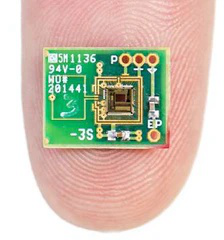
Researchers at Fraunhofer-Gesellschaft in Berlin have designed highly efficient, low-maintenance small hearing aids, also known as hearing aid microsystems.
Small Hearing Aids: The Newest Innovation
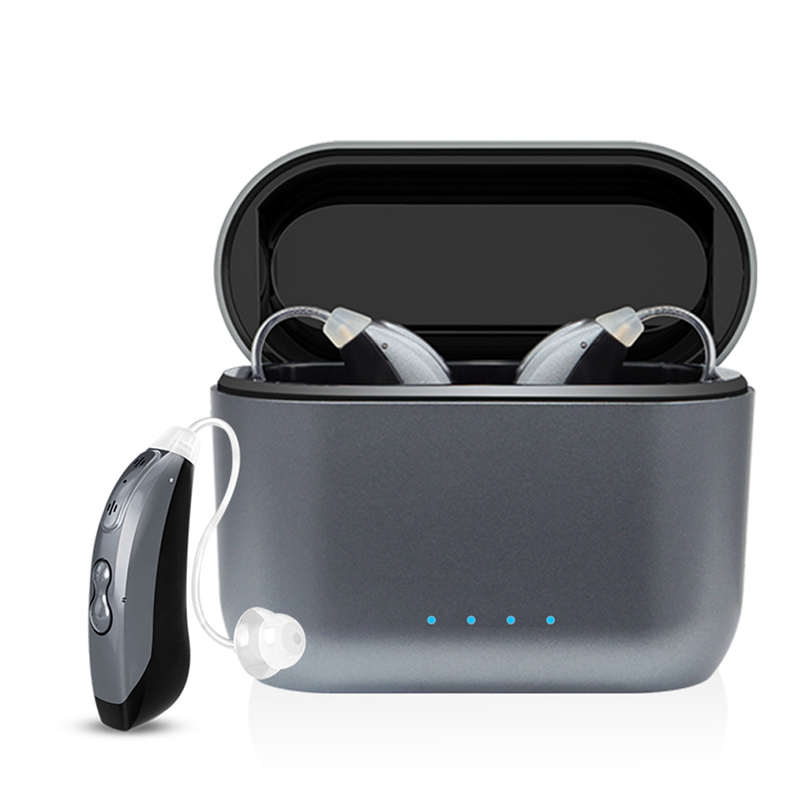
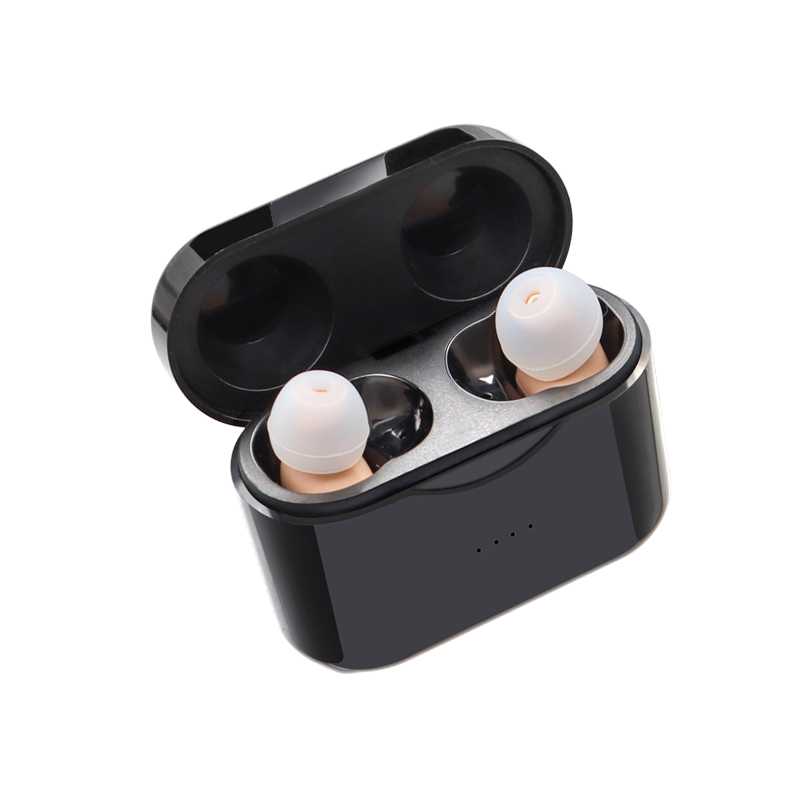
Hearing loss has become a common medical condition throughout Germany: roughly 20 percent of individuals aged 15 or older have been treated for hearing loss symptoms. Scientists at Fraunhofer-Gesellschaft designed a small hearing aid device that could fit 19 components into a single module, making it a very non-invasive, comfortable device when in use. The hearing aid, a fortunate result of the EU WiserBAN project, is fifty times smaller than other types of body area network (BAN) electronics and consumes significantly less energy, limiting the number of times it needs to be recharged and replaced. The hearing aid has dimensions of 4x4x1 millimeters, making it less than one-sixth of an inch long. The microsystem is so small that it isn't visible from the outer surface of the ear.How the Small Hearing Aid Works
Researchers first started to miniaturize the hearing aid by making different components of the device smaller. The circuitry, antennas, and high-frequency filters that normally made up the hearing aid became more compact. They found that by stacking smaller modules on top of one another, they could create a device with an amazing performance that occupied a minimal amount of space. The device is small enough that it can be placed directly inside the ear and only needs to be taken out for recharging or replacement.Small Hearing Aid Maintenance
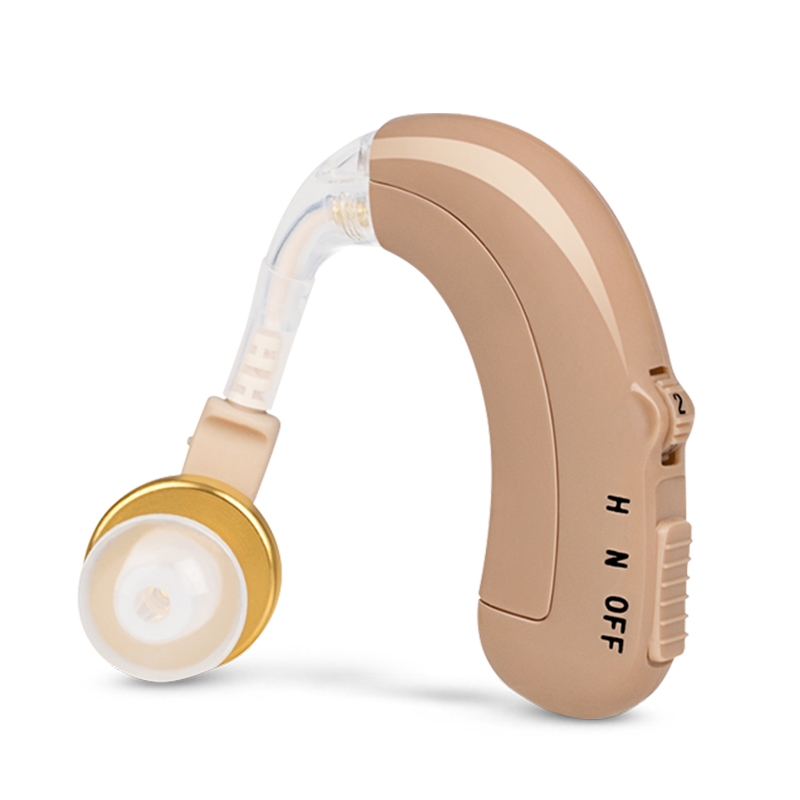
Further endeavors for the EU WiserBAN project include reducing the energy consumption of the microsystem in order to limit the number of times it needs to be recharged or replaced. Future research interests for the project include engineering specialized antennae, creating other wireless services, and extending the battery life of these microsystems to about 5 months. The new advancements in antenna and wireless capabilities would function to gather information from the patient, including blood glucose levels and blood pressure. This information can then be transmitted to doctors and their cellular devices for advanced monitoring. In comparison, hearing aids that are worn behind the ear usually have a battery life of 2 weeks. Additionally, the more robust batteries found in many hearing aids are susceptible to excessive heat and humidity and can short-circuit if kept in contact with other metal objects. These batteries can also leak toxic alkaline fluids when damaged, which can cause esophageal damage and ulcers in pets if swallowed.Small Hearing Aids and Wireless Connections
The wireless system feature provided by the microsystem is a welcome advantage because it enables the hearing aid to function without a relay station, an additional device that was necessary when using earlier editions. These wireless microsystems rely on other standards aside from Bluetooth, which normally causes signaling interference with other devices. Alternatives to conventional hearing aids include bone-anchored hearing aid devices and, in the case of ear deformities, reconstructive ear canal surgery. With the arrival of hearing aid microsystems, there are now less invasive and more convenient methods to combat hearing loss.by Aaron Rodriques
The above is the interpretation of Small Hearing Aids | Hearing Aid Microsystems provided by Chinese hearing aid supplier Shenrui Medical. Link https://www.srmcm.com/Blog/Small_Hearing_Aids_Hearing_Aid_Microsystems.html of this article is welcome to share and forward. For more hearing aid related information, please visit Blog or take a look at our Hearing aids products