Hearing aid protection in cold weather
Similar to glasses fogging up, liquid condensation can form on your hearing aids when you head indoors after being out in the frosty air.
While the outside of your hearing aids are hardy enough to handle a few drops of water, the real issue comes when condensation forms on the inside of your hearing aids. The inside houses highly sensitive electronics and the batteries—both of which can be damaged if exposed to condensation.
Speaking of batteries: The cold, dry air of winter can reduce the voltage of many disposable hearing aid batteries, causing them to drain and die faster.
Hearing aids protection in the rain or snow
Many hearing aids have a protective coating that helps them repel light moisture. If you’re walking to your car and it starts to sprinkle, your hearing aids should be fine—just wipe them down with a soft, dry cloth once you’re inside.
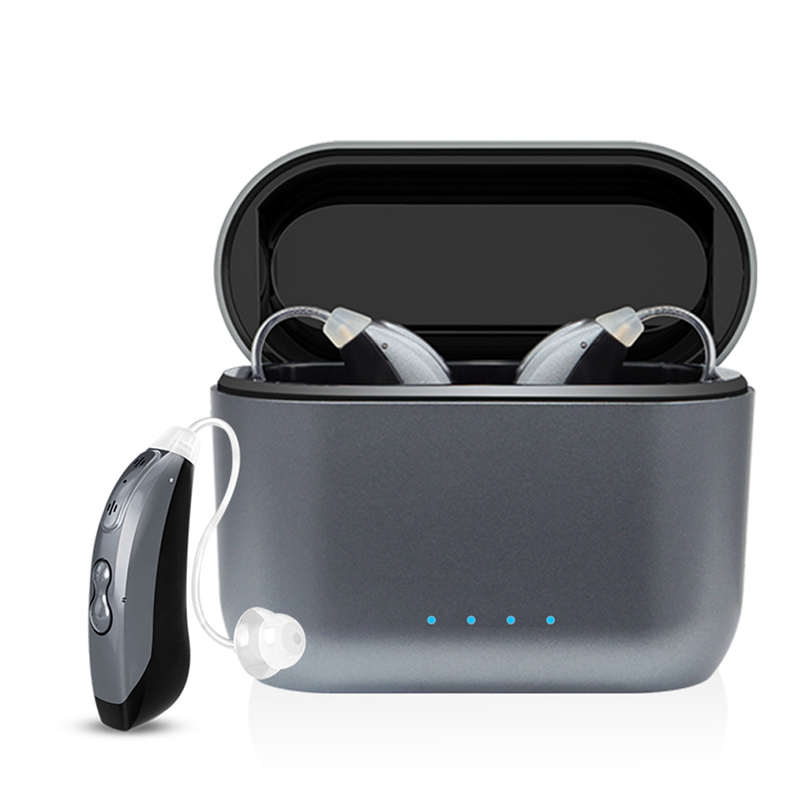
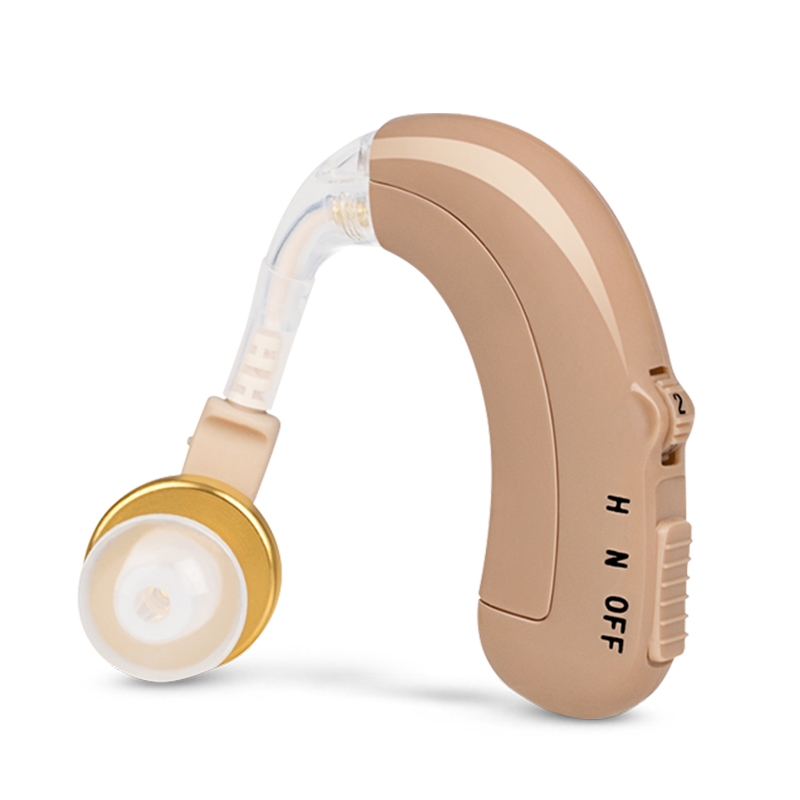
That said, most hearing aids are not fully waterproof. Avoid direct exposure to heavy rain or snow whenever possible. The more precipitation that falls on your hearing aids, the more likely it is that some of it will sneak its way inside. This can damage the electronics and corrode the battery, particularly for RIC or BTE hearing aids. These models’ electrical components are housed outside the ear, which makes them slightly more vulnerable to water damage.
Hearing aid protection during winter activities
Between sledding, skiing and building snowmen with grandkids, winter can be a magical time to enjoy the outdoors. Don’t worry about wearing your hearing aids during your favorite winter pastimes. You can—and should—bring them along. Hearing aids will help you communicate with others, enjoy the full soundtrack of the season and hear important signals or alerts in your environment.
There are, however, two issues to watch out for—both avoidable if you take proper precautions. The first issue is excessive moisture, which can leak into the hearing aid and cause damage. Moisture can come from the weather itself (as mentioned above), but it can also come in the form of perspiration. Skiing, sledding and other frosty fun can really work your heart and muscles, so you might find yourself sweating quite a bit, despite the chill in the air.
The other issue to watch out for during winter activities is dropping or losing your hearing aid. All that moving around while you shovel, skate or ski can make a hearing aid come loose from the ear. Digging around in the snow searching for your hearing aid can cause a lot of stress—plus damage to your device, if it’s left in the elements for too long.
The above is the interpretation of Summer Heat and Winter Cold: A Guide to Hearing Aid Care provided by Chinese hearing aid supplier Shenrui Medical. Link https://www.srmcm.com/Blog/Summer_Heat_and_Winter_Cold_A_Guide_to_Hearing_Aid_Care.html of this article is welcome to share and forward. For more hearing aid related information, please visit Blog or take a look at our Hearing aids products