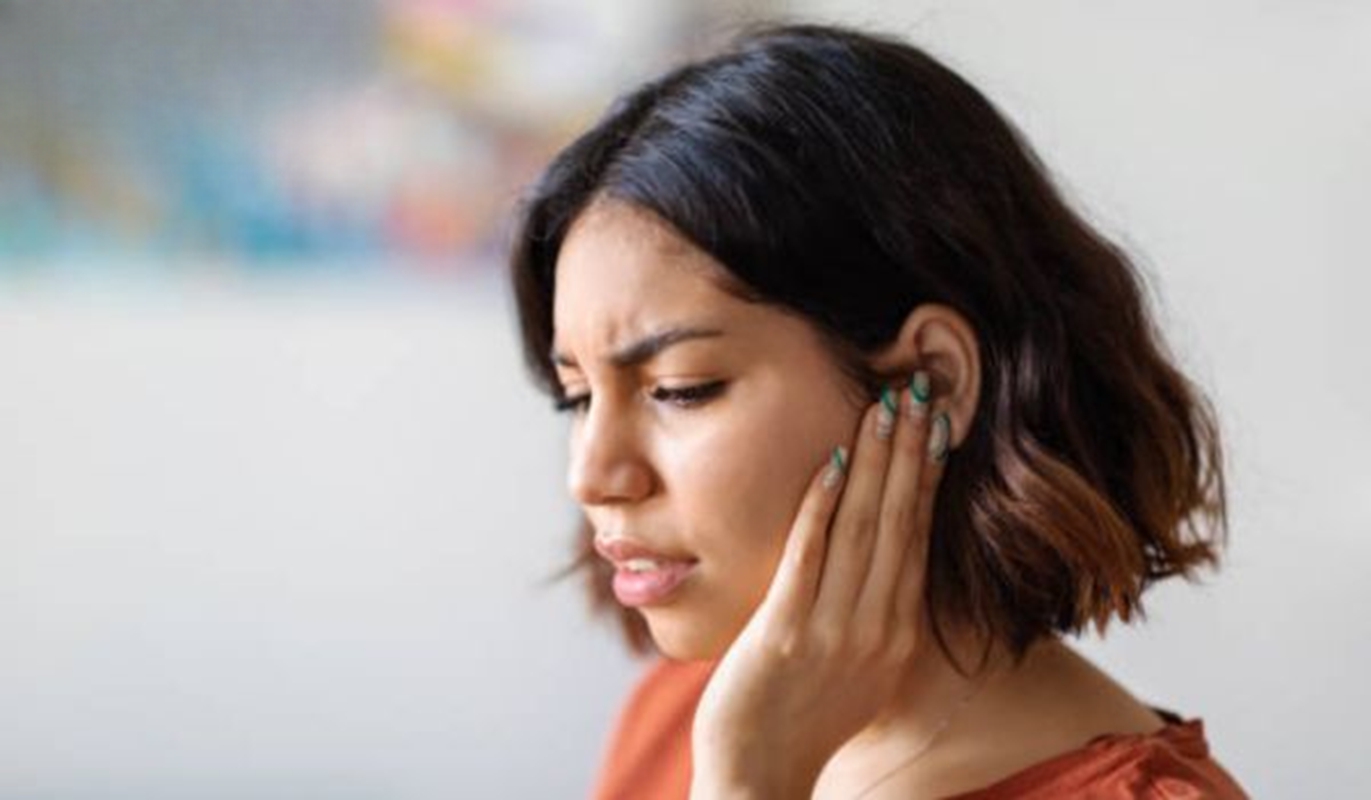
Ears can produce crackling sounds, often compared to the noise of pouring milk over cereal, due to various reasons. The most common cause is eustachian tube dysfunction (ETD), where blocked tubes lead to pressure buildup and odd noises like popping or clicking, especially after a cold, allergies, or sinus infections. Another possible cause is excessive earwax buildup, which can harden and obstruct the ear canal, resulting in crackling sounds. Temporomandibular joint (TMJ) disorders may also contribute if clicking occurs during chewing or talking. To address these issues, over-the-counter decongestants or antihistamines can relieve ETD-related symptoms, while ear drops or professional wax removal can help with earwax buildup. For TMJ issues, remedies like night guards or jaw exercises might be effective. Persistent crackling sounds, particularly if accompanied by hearing loss, pain, or dizziness, should be evaluated by an ENT specialist to determine the underlying cause and appropria

Crackling sounds in ears
Our ears work hard to process sounds and help us hear. While a lot of sounds can be heard in our surroundings, we may also hear odd sounds come from inside of our ears. It’s normal to occasionally hear ringing, buzzing, or clicking sounds when nothing is around. You might also hear crackling sounds in your ears, which are often compared to the noise you hear when you pour milk into a bowl of crispy cereal.
What causes my ears to crackle?
You might hear your ears crackle when you swallow or yawn, especially after a cold. That’s because crackling ears are often a result of blocked eustachian tubes, which are located in your middle ears. Your eustachian tubes are located on each side of your face and connected to your nose and upper part of your throat. These tubes are mostly closed and only open when you chew, swallow, or yawn. [1] When the eustachian tubes are blocked or don’t function properly, fluids and pressure build up in your ears and cause popping and crackling sounds. This condition is called eustachian tube dysfunction, or ETD. [1]
How do the eustachian tubes get blocked?
Blocked eustachian tubes can be caused by multiple reasons. Some common causes include:
Can ear wax cause crackling ears?
If your eustachian tubes aren't blocked, there could be other reasons behind your crackling ears. Another possible cause of crackling ears is excessive ear wax. Ear wax is a useful substance that moisturizes your ears and protects them from debris, but too much of it can harden in your ears and block the ear canal. This can cause partial hearing loss and crackling or ringing noises in your ears. If you think you may have excessive ear wax, the best way to get your ears cleaned is to have a doctor do it for you.
How to get rid of crackling sound in ear
Understanding how to stop crackling in the ears starts with identifying the root cause. One of the most common reasons for crackling in the ear is Eustachian tube dysfunction. This small tube connects your middle ear to the back of your throat and helps regulate pressure. When it becomes blocked—often due to allergies, sinus infections, or a cold—you may hear crackling, popping, or clicking sounds as the pressure equalizes. Over-the-counter decongestants, nasal sprays, and antihistamines can help relieve the congestion and reduce the noise.
Earwax buildup is another possible culprit. If wax gets compacted near the eardrum, it can cause a crackling or clicking sound when it shifts. The American Academy of Otolaryngology recommends using ear drops to soften wax or having it removed by a professional—never insert cotton swabs into the ear canal.
Temporomandibular joint (TMJ) disorders can also be responsible, especially if the clicking occurs when chewing or talking. In this case, wearing a night guard, avoiding gum, or doing gentle jaw exercises may help reduce symptoms.
If you’re looking for how to stop clicking in ear related to inner ear issues or pressure changes, chewing gum, swallowing, or yawning may help pop your ears and ease discomfort—particularly during air travel. Persistent symptoms should be evaluated by an ENT specialist, especially if accompanied by hearing loss, pain, or dizziness. Treating the underlying cause is the most effective way to stop crackling and clicking in the ears for good.
The above is the interpretation of That Annoying Crackling in Your Ears: What It Means and How to Stop It provided by Chinese hearing aid supplier Shenrui Medical. Link https://www.srmcm.com/Blog/That_Annoying_Crackling_in_Your_Ears_What_It_Means_and_How_to_Stop_It.html of this article is welcome to share and forward. For more hearing aid related information, please visit Blog or take a look at our Hearing aids products