Find vertigo relief and explore treatment options
Causes of vertigo vary from person to person, and it doesn’t always require medical treatment. When symptoms appear, finding a quiet space to lie still can help you cope. Sitting down right away can also alleviate some of the discomfort caused by dizziness. Certain over-the-counter medications like antihistamines may also provide temporary relief for vertigo symptoms like nausea and motion sickness.
If dizziness and spinning sensations happen regularly for you see your medical doctor, however making a few simple lifestyle adjustments can also help you find relief. For example, consider squatting down rather than bending over to pick something up to maintain an upright orientation. Using a cane when walking may lessen the negative effects as well.
However, since vertigo often accompanies another underlying issue, it’s important to address the cause. Once a doctor detects the reason for a specific case of vertigo, they can determine whether there’s an appropriate medical treatment available.
Less common causes of vertigo and hearing loss
Vertigo and hearing loss often occur together and can stem from a variety of underlying conditions.
- Drug reactions: Certain medications can affect the ear, leading to dizziness, balance problems, or hearing changes. These side effects, although not common, highlight how treatment-related factors can mimic or worsen inner ear disorders. For example, Acetazolamide, a drug commonly prescribed for glaucoma, epilepsy, or altitude sickness, is known to produce adverse effects such as vertigo and hearing loss.
- Neurological and vestibular problems: Disorders affecting the brain or vestibular system can also contribute. Migraine-associated vertigo can trigger dizziness, balance problems, and even episodes of hearing disturbance. Similarly, conditions affecting the vestibular system may lead to nystagmus—involuntary eye movements—which often presents alongside vertigo and sudden unilateral (one-sided) hearing loss. These symptoms may indicate inner ear damage, Ménière’s disease, vestibular neuritis, or even acoustic neuroma.
- Other causes: Vertigo and hearing loss can result from infections, circulatory issues affecting the inner ear, and autoimmune or metabolic disorders. Because these symptoms can impact daily life, early recognition and medical evaluation are important to ensure proper diagnosis and treatment.
Which disorders are associated with hearing loss and vertigo?
Hearing loss and vertigo occurring together often point to conditions that affect the inner ear, the auditory nerve, or parts of the brain involved in balance. Some of the main diseases and disorders where these symptoms may appear include:
- Ménière’s disease – inner ear fluid imbalance causing recurrent dizziness, fluctuating hearing loss, ears ringing, and ear pressure. Tinnitus, vertigo, and gradual hearing loss usually typify this disorder.
- Labyrinthitis – viral or bacterial infection of the inner ear that leads to vertigo, nausea, and temporary hearing loss.
- Vestibular neuritis with cochlear involvement – inflammation of the vestibular nerve can sometimes extend to the cochlea, producing vertigo and hearing loss.
- Acoustic neuroma (vestibular schwannoma) – a benign tumor on the vestibulocochlear nerve causing unilateral hearing loss, vertigo, tinnitus, and imbalance.
- Other cerebellopontine angle tumors (e.g., meningiomas, epidermoid cysts) – may press on the auditory nerve and brainstem, leading to vertigo and progressive hearing impairment.
- Migraine-associated vertigo – neurological condition where migraine attacks trigger dizziness, sensitivity to movement, and fluctuating hearing changes.
- Multiple sclerosis (MS) – demyelination in the brainstem or auditory pathways can cause vertigo, nystagmus, and sensorineural hearing loss.
- Stroke or transient ischemic attack (TIA) – reduced blood flow to the inner ear or brainstem may present with sudden vertigo, hearing loss, and imbalance.
- Autoimmune inner ear disease – the immune system attacks inner ear structures, leading to progressive bilateral hearing loss and vertigo.
- Otosclerosis – abnormal bone growth around the stapes can cause conductive hearing loss and sometimes dizziness.
- Perilymph fistula – a tear between the middle and inner ear allows fluid leakage, producing vertigo with hearing loss, often after trauma or barotrauma.
Benign paroxysmal positional vertigo and hearing loss
Benign paroxysmal positional vertigo (BPPV) is one of the most common causes of vertigo. It occurs when tiny calcium carbonate crystals (otoconia) in the inner ear become dislodged and move into the semicircular canals, disturbing balance signals to the brain.
A key point is that BPPV typically causes fluctuating vertigo without hearing loss. The dizziness is often triggered by head movements such as rolling over in bed, looking up, or bending down. Symptoms may include spinning sensations, imbalance, nausea, and nystagmus (involuntary eye movements), but hearing typically remains normal.
If a person experiences both vertigo and hearing loss, other conditions should be considered, such as Ménière’s disease, labyrinthitis, vestibular schwannoma, or autoimmune inner ear disease, since these disorders more commonly link the two symptoms.
What types of hearing loss cause vertigo and dizziness?
Hearing loss and vertigo are closely linked because both involve the inner ear, which manages hearing and balance. In many cases, vertigo does not arise from hearing loss itself, but from the underlying condition that affects both the auditory and vestibular systems.
- Sudden sensorineural hearing loss—Rapid hearing loss in one or both ears accompanied by spinning dizziness is considered a medical emergency. Causes may include viral infections, vascular problems, or autoimmune reactions. Immediate medical treatment is crucial to preserve hearing and reduce balance complications.
- Sensorineural hearing loss—This type of hearing loss affects the inner ear or auditory nerve and can be associated with Ménière’s disease, acoustic neuroma, or labyrinthitis. Patients often report fluctuating hearing, ringing in the ears (tinnitus), and recurrent dizziness.
- Noise-induced hearing loss —This type of loss primarily damages the cochlea and does not directly cause vertigo, though prolonged inner ear stress may contribute to dizziness in some individuals.
Dizziness, vertigo and hearing loss in one ear
Acute vertigo accompanied by hearing loss in one ear usually indicates a problem within the inner ear or auditory nerve. In such cases, the dizziness and imbalance are not caused by the hearing loss itself, but by the underlying disorder affecting both hearing and balance—a phenomenon known as vertigo secondary to hearing loss.
Several conditions may explain this link:
- Sudden sensorineural hearing loss with vertigo is a medical emergency and may result from viral infections, vascular disruption, or autoimmune disease. Immediate treatment is crucial to preserve hearing and reduce complications.
- Labyrinthitis, an inflammation of the inner ear, can also cause acute vertigo with one-sided hearing loss, often following an infection.
- Ménière’s disease involves abnormal inner ear fluid, leading to recurrent vertigo, tinnitus, and fluctuating hearing loss in one ear.
- Acoustic neuroma (vestibular schwannoma) is rarer and typically presents as gradual unilateral hearing loss with intermittent and dizziness.
By contrast, conductive hearing loss from problems in the outer or middle ear, such as earwax build-up or otosclerosis, rarely causes vertigo since the balance organs remain intact.
Because vertigo and one-sided hearing loss may signal serious inner ear or nerve-related disease, seek medical attention immediately if you experience these symptoms.
Dizziness, vertigo and hearing loss diagnosis
When vertigo and hearing loss occur together, careful diagnosis is essential to identify the underlying cause. Doctors typically begin with a detailed history, physical examination, and hearing tests. The combination of dizziness and hearing impairment often points to raises suspicion o inner ear or nerve-related conditions. Common considerations include Ménière’s disease, labyrinthitis, vestibular neuritis with cochlear involvement, sudden sensorineural hearing loss, or acoustic neuroma.
If hearing loss only affects one ear, additional testing is usually required to rule out serious disorders. MRI of the head can detect tumors such as vestibular schwannoma and help rule out neurological conditions like multiple sclerosis. Blood tests and balance function testing may also be performed to clarify the diagnosis.
For veterans, these conditions may also be considered in disability claims. The VA evaluates hearing loss, tinnitus, and vertigo based on symptom severity and functional impact. Tinnitus is often rated separately, while vertigo linked to vestibular disorders may qualify for additional compensation.
Overall, accurate diagnosis of vertigo with hearing loss requires both ear-focused and neurological investigations to ensure effective treatment and to address potential disability support.
Vertigo, hearing loss, and tinnitus treatments
Vertigo, hearing loss, and tinnitus often occur together and usually point to inner ear disorders. These three symptoms arise because the cochlea (responsible for hearing) and the vestibular system (responsible for balance) are closely connected. When these structures are affected, patients may experience spinning dizziness, progressive or sudden hearing loss, and ringing in the ear.
The most common condition combining vertigo, tinnitus, and hearing loss is Ménière’s disease, characterized by recurrent vertigo attacks, fluctuating hearing loss (often in one ear), tinnitus, and ear pressure. Labyrinthitis may also cause acute vertigo with hearing loss and tinnitus, typically following infection. Another serious condition is sudden sensorineural hearing loss with vertigo, which requires urgent treatment to preserve hearing.
Treatment depends on the underlying cause.
- Ménière’s disease: management may include dietary changes (low salt, reduced caffeine), diuretics, and in severe cases, injections or surgery.
- Labyrinthitis: treatment options include corticosteroids, rest, and sometimes antivirals or antibiotics if infection is suspected.
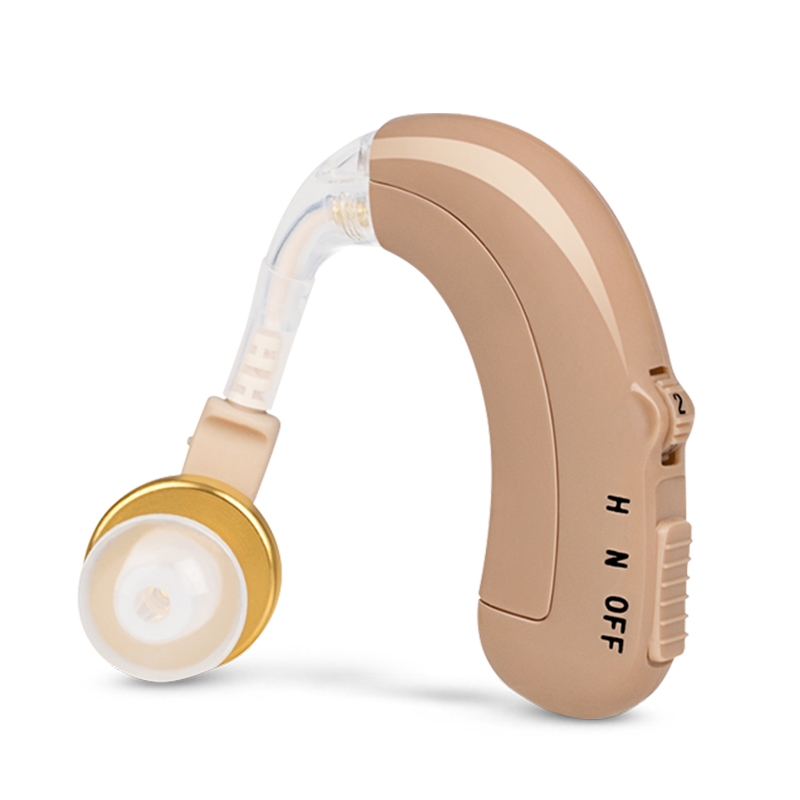
- Sudden hearing loss with vertigo: treatment often includes is high-dose steroids, either orally or by injection into the ear, vestibular rehabilitation therapy help restore balance, and hearing aids or tinnitus therapies to improve hearing and reduce ringing.
Prompt diagnosis and tailored treatment are essential to prevent permanent hearing damage and control vertigo.
The above is the interpretation of The Inner Ear Connection: How Hearing and Balance Are Linked provided by Chinese hearing aid supplier Shenrui Medical. Link https://www.srmcm.com/Blog/The_Inner_Ear_Connection_How_Hearing_and_Balance_Are_Linked.html of this article is welcome to share and forward. For more hearing aid related information, please visit Blog or take a look at our Hearing aids products