Sense of hearing
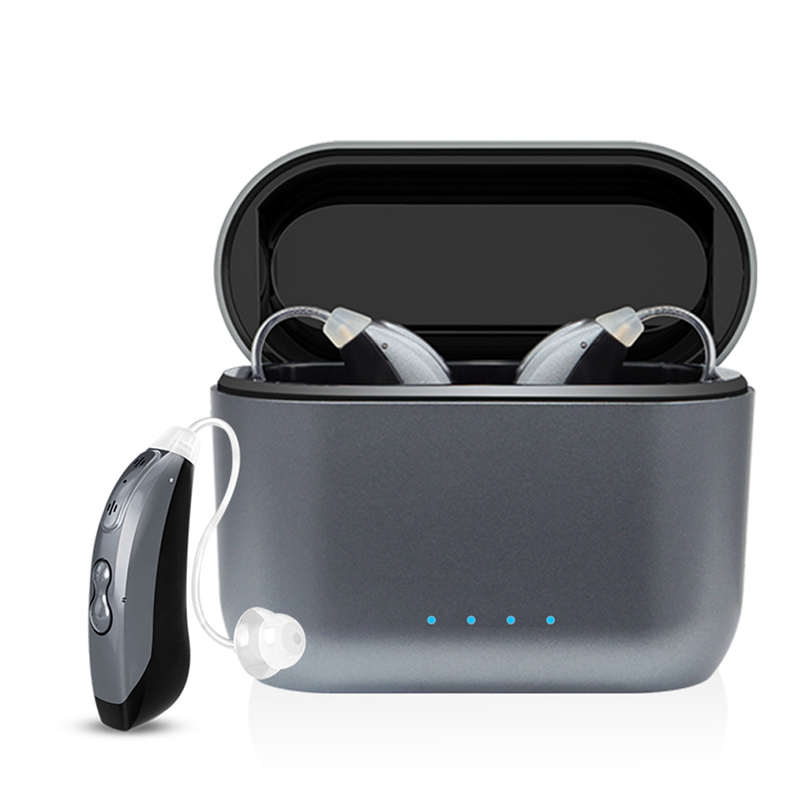
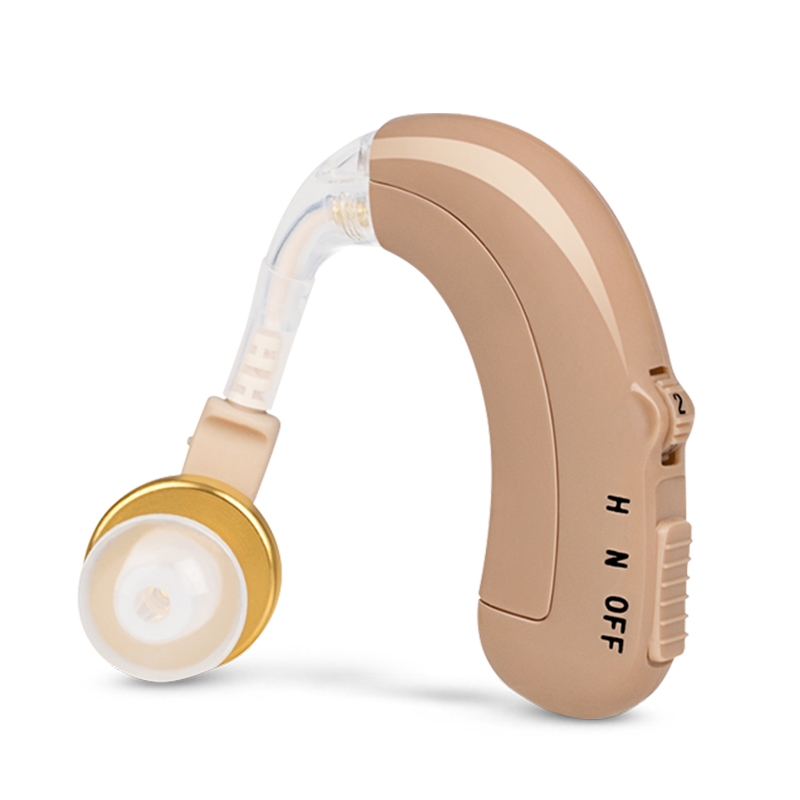
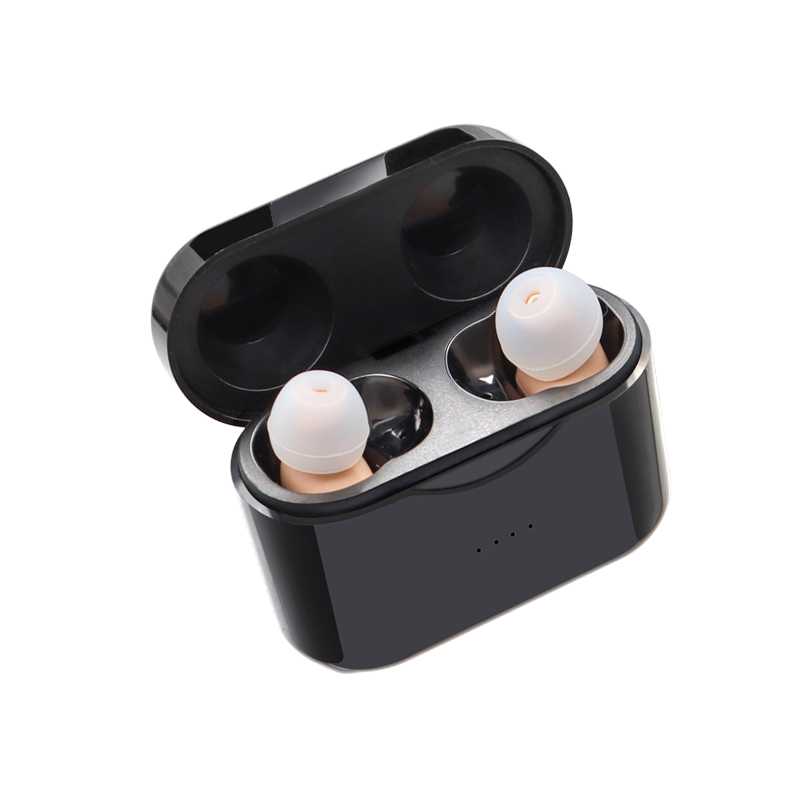
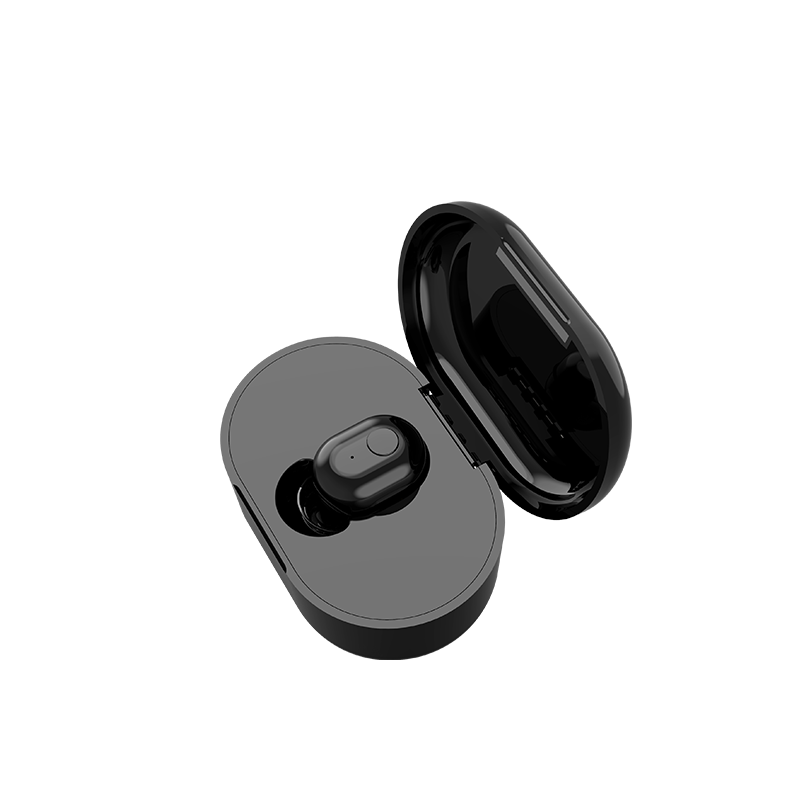
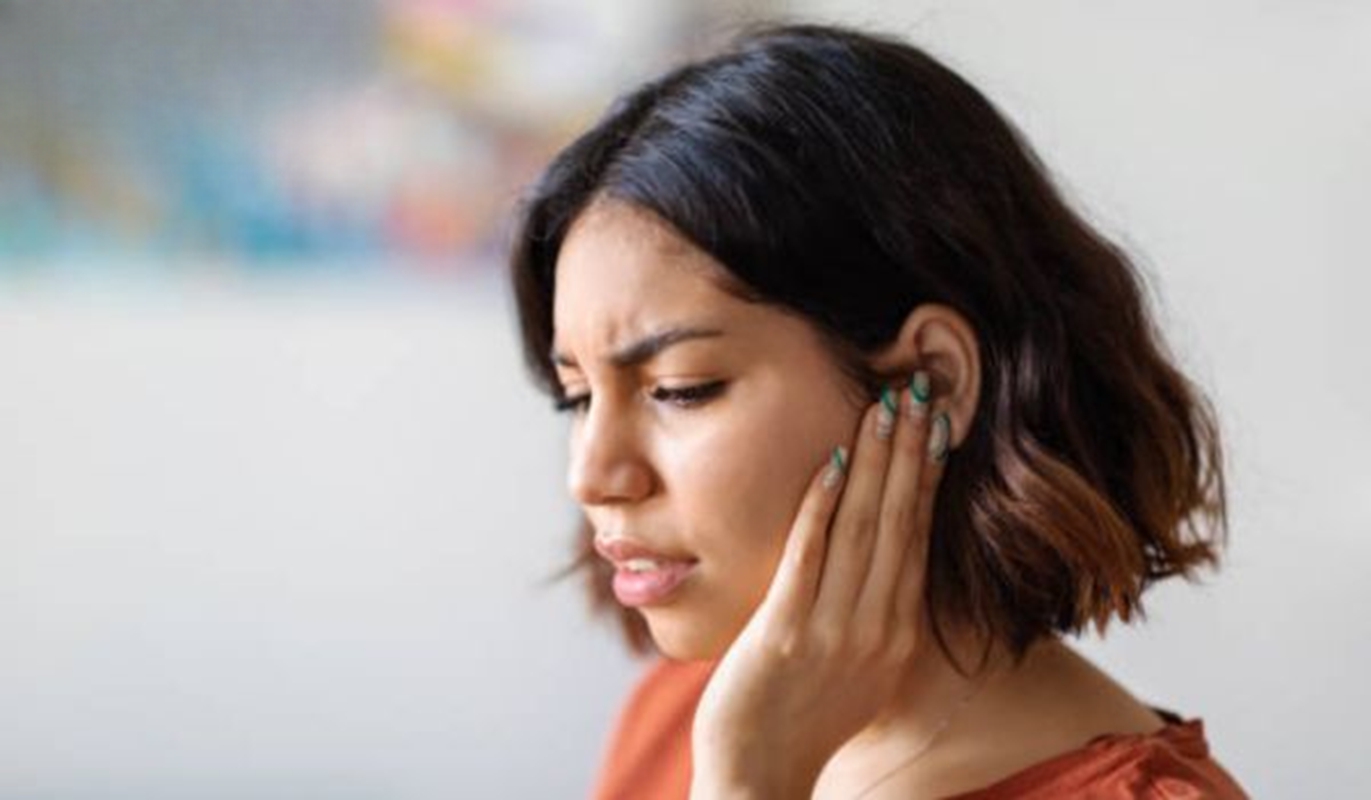
As our lives progress, many of us begin to wonder about how to prevent hearing loss. It’s normal for our sense of hearing to gradually weaken as we get older. In fact, one in three adults aged 65-74 has hearing loss. Hearing loss can be one of the most pronounced sensory changes associated with aging.
Age-related hearing loss (also called presbycusis) typically results from changes to the inner ear or the auditory nerve, which carries sound signals up to the brain for processing. While some degree of hearing loss is normal, certain factors can ramp up the damage. One of the biggest culprits? Noise. Repeated exposure to loud sounds can wreak havoc on the ear’s sensory hair cells, which are needed to hear properly.
Our ear wax also becomes drier with age, making it harder to naturally fall out. Ear wax can block the ear canal, preventing sound waves from entering the inner ear. The result? Soft sounds are harder to hear, and loud sounds become more muffled.
Sense of sight
Several parts of the eye change as we get older. Nerve density in the cornea—the clear, dome-shaped “window” in front of your pupil—decreases with age. As a result, you may not notice minor injuries to the outer eye.
The eye’s lens becomes more rigid with age, making it difficult to change shape. This hinders the ability to focus on nearby objects, compromising our sense of sight. Proteins in the lens also begin to break down, which leads to cataracts, or cloudy areas on the lens. This can cause blurred or hazy vision.
Our pupils naturally shrink over time, too, and react to light and darkness more slowly. This makes it harder to tolerate glare from bright lights or sunlight and to see well in low light (ex. night driving).
The center part of the retina—the tissue in the back of the eye that sends visual information to the brain via the optic nerve—can also start to deteriorate, leading to age-related macular degeneration (AMD). This can cause wavy or blurred vision, or even lead to central vision loss if untreated. As we age, it’s important to protect all five senses, including eyesight.
Sense of smell
Our sense of smell is hotwired to the parts of our brain involved in processing memories and emotion. Smells can spark old memories, stir up emotions and even signal us to danger (ex. smelling smoke or spoiled food). But as we age, our sense of smell naturally weakens. Certain conditions can also cause a temporary, or more sudden, loss of smell. Seasonal allergies, colds and even certain medications can impact our nasal cavity and passageways—leading to blocked sinuses, inflammation or polyps (small growths). A visit to your primary doctor or ENT specialist can help determine the root of the issue.
(Note: Difficulty in identifying smells can sometimes be an early sign of Parkinson’s or Alzheimer's disease. Consult your doctor if you notice a change in your sense of smell.)
Sense of touch
Our skin contains many nerve receptors, which allow us to perceive pressure, pain and other tactile sensations. The outer part of our skin, called the epidermis, includes different types of nerve endings (called mechanoreceptors) which impact our sense of touch.
As we age, the density and distribution of these receptors decrease. The result? Our skin becomes thinner, more fragile and less sensitive to touch. Things like temperature, texture and light touch become harder to detect—which can increase the risk of accidental injury (ex. touching a hot plate from the microwave). Cuts, bumps and burns take longer to heal, too. Aging skin glands also produce less oil, leading to dryness. Dry skin is less sensitive to touch and slows down the healing process for wounds.
Sense of taste
Our tongues boast an impressive 10,000 taste buds, which send those signals of sweet, salty and sour to the brain. But as we get older, that number slowly decreases, and the remaining taste buds take longer to regenerate after injury (ex. burning your tongue from hot coffee). The result? Foods begin to taste blander. We may pile on the sugar or salt, which is bad news for our blood pressure, heart health and more. The mouth also produces less saliva with age, leading to dry mouth—a condition that can also impact our sense of taste.
The above is the interpretation of The Interconnected Decline: Understanding Aging and the Five Senses provided by Chinese hearing aid supplier Shenrui Medical. Link https://www.srmcm.com/Blog/The_Interconnected_Decline_Understanding_Aging_and_the_Five_Senses.html of this article is welcome to share and forward. For more hearing aid related information, please visit Blog or take a look at our Hearing aids products