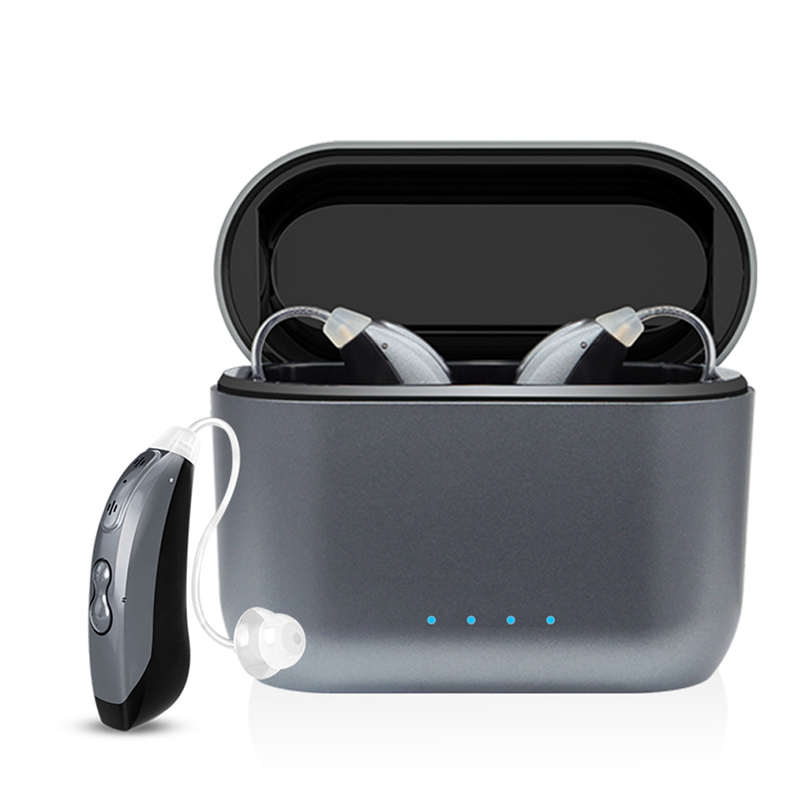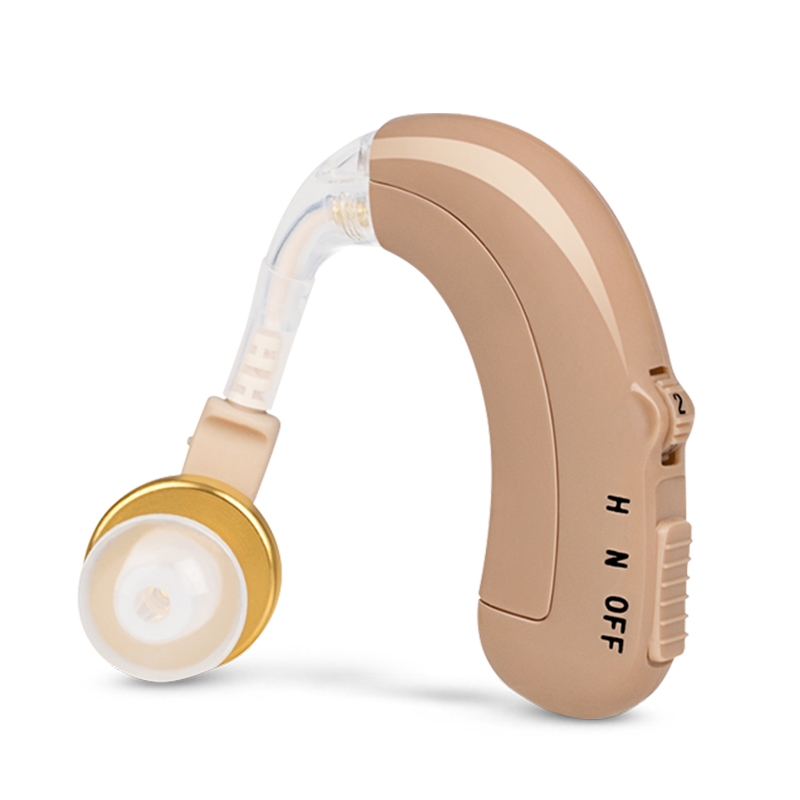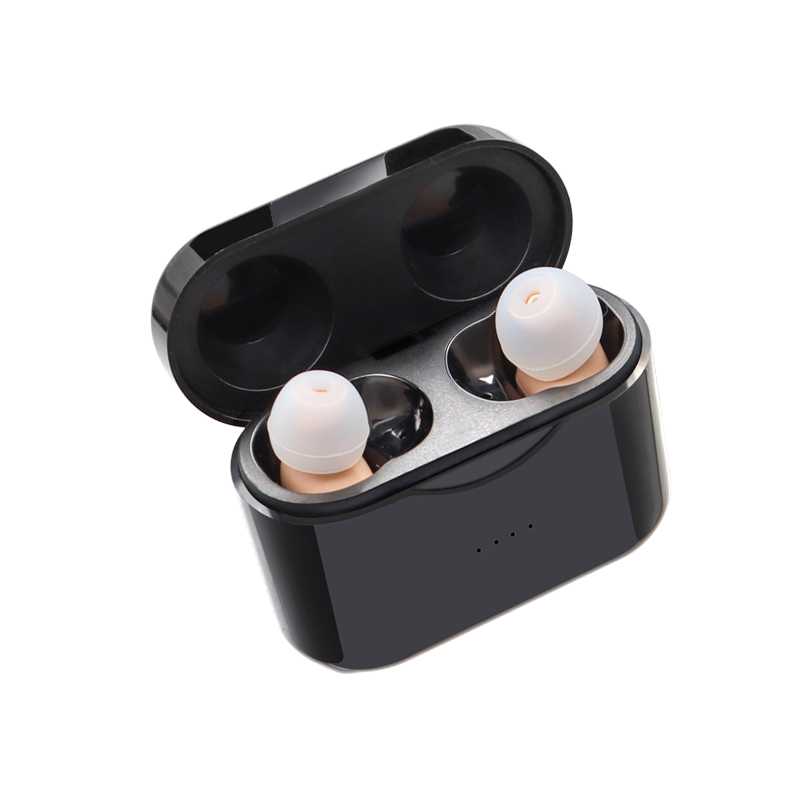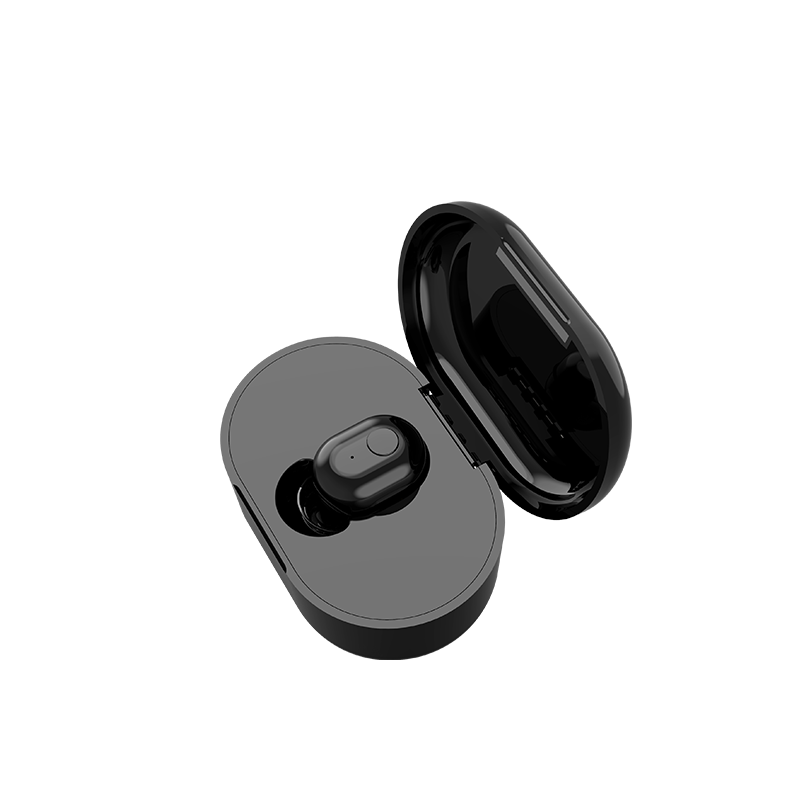
Have you heard of self-fitting hearing aids (SFHAs)? Can they help if you have a hearing loss? What exactly are they, and how do they differ from traditional hearing devices fitted by a hearing care expert? What’s the best action to take if you need hearing help?
With hearing loss posing a serious public-health challenge worldwide — it’s a chronic problem affecting millions of women, men, and children — technology continues evolving to improve sound clarity, expand compatibility with other smart devices, and increase accessibility to a wider reach of people.
So where do self-fitting hearing aids fit into the equation of better-hearing options? Let’s take a look.
What Are Self-Fitting Hearing Aids?
Definitions of SFHAs can vary slightly across experts. In the simplest terms, they’re sound-amplifying devices designed to let the user measure their own hearing loss, appropriately install the devices in their ears, and program them for optimal hearing in various listening environments without the prescription or assistance of an audiologist, medical doctor, or other specially trained hearing expert.
Can These Self-Fitting Devices Help Me?
As a relatively newer product category, self-fitting hearing aids may ultimately prove a welcome addition to the range of treatment options. They still have a ways to go, however, in matching the effectiveness and satisfaction of clinician-fitted hearing devices.
One recent study, “Outcomes With a Self-Fitting Hearing Aid,” compared user-driven and provider-driven fittings of a single self-fitting product. Researchers uncovered no significant hearing-aid-performance differences between the two groups but saw that cognition plays a big role. Those “with poorer cognitive function consistently exhibited more difficulty in handling the” self-fitting devices, wrote the study’s authors.
It’s important to note that self-fitting hearing aids require access to, familiarity with, and the ability to understand how to operate and adjust the devices, which could prove challenging for some patients struggling with manual dexterity, visual acuity, cognitive issues, or inability to navigate or access computers or apps. Seeking professional assistance could make all the difference in user satisfaction.
Passage of the federal Over-the-Counter Hearing Aid Act of 2017 will eventually bring even more self-treating options to the market, but when it comes to addressing the full spectrum of hearing loss and integrating environmental variables such as background noise, FDA-approved, provider-fit hearing aids are the recommended approach.
What Should I Do if I’m Having Hearing Difficulty?
Did you know? An estimated 466 million children and adults around the globe live with disabling hearing loss, per the World Health Organization, but the good news is that nearly all hearing impairment can be effectively managed to keep you communicating your best.
An important first step is recognizing some of the potential signs and symptoms of hearing loss:
- The perception that everyone seems to be mumbling
- Trouble understanding speech in noisy environments
- Frequent need to turn up the TV or have words repeated
- Tinnitus — a buzzing, ringing, clicking, or humming in the ears
- Difficulty conversing on the phone or understanding women’s and children’s voices
Untreated hearing loss has been linked to numerous other health complications such as cognitive decline, diabetes, depression, hypertension, social withdrawal, and more, making early treatment important to improving quality of life.
If you are experiencing listening problems or it’s been a while since your last hearing test, don’t wait. Schedule an evaluation with our expert team today. We’re here to help!
The above is the interpretation of The Limitations of Self-Fitting OTC Hearing Aids provided by Chinese hearing aid supplier Shenrui Medical. Link https://www.srmcm.com/Blog/The_Limitations_of_Self-Fitting_OTC_Hearing_Aids.html of this article is welcome to share and forward. For more hearing aid related information, please visit Blog or take a look at our Hearing aids products