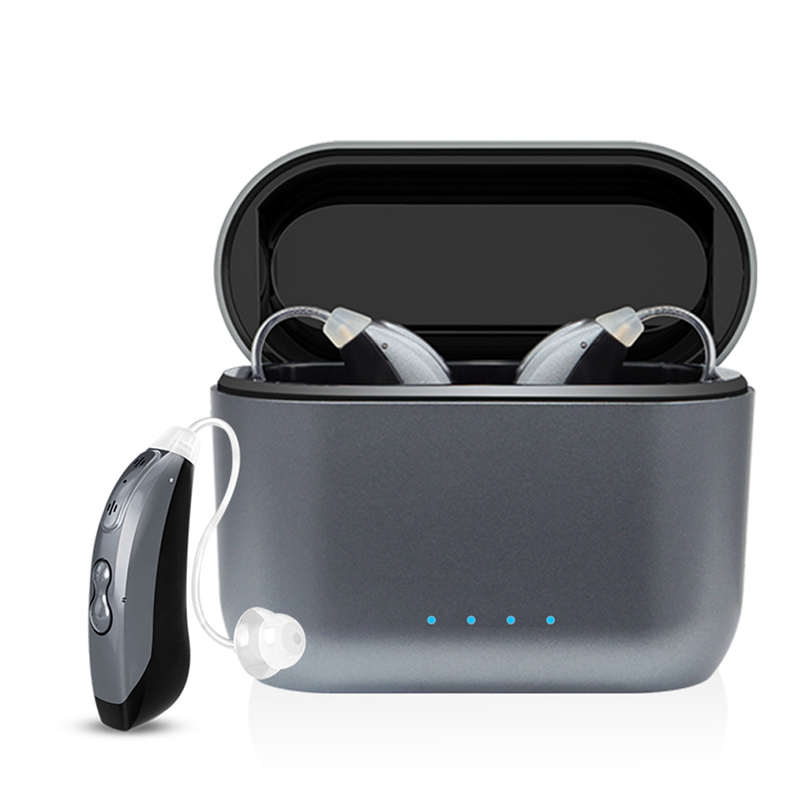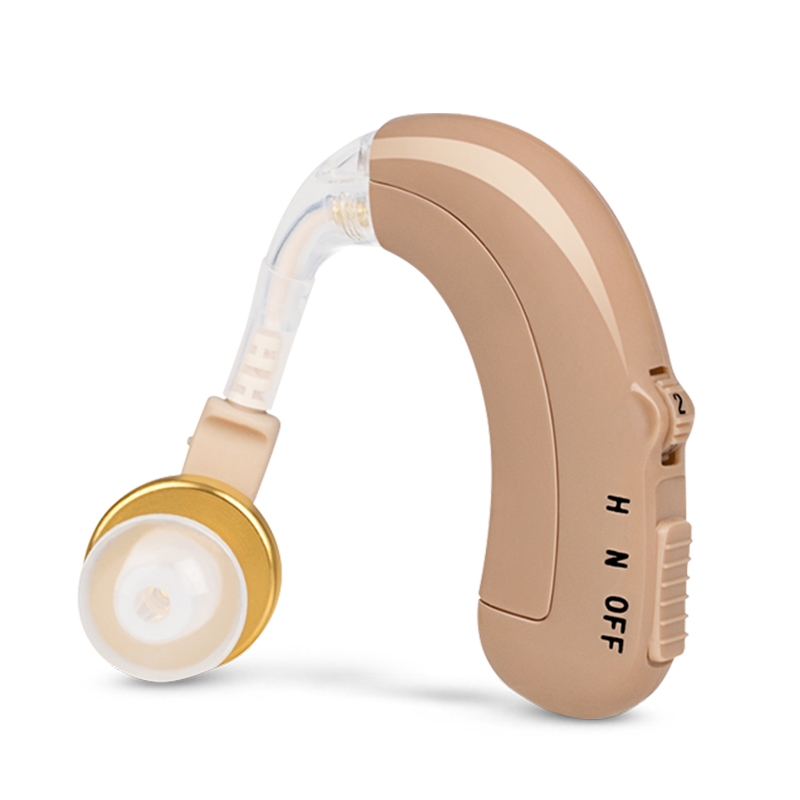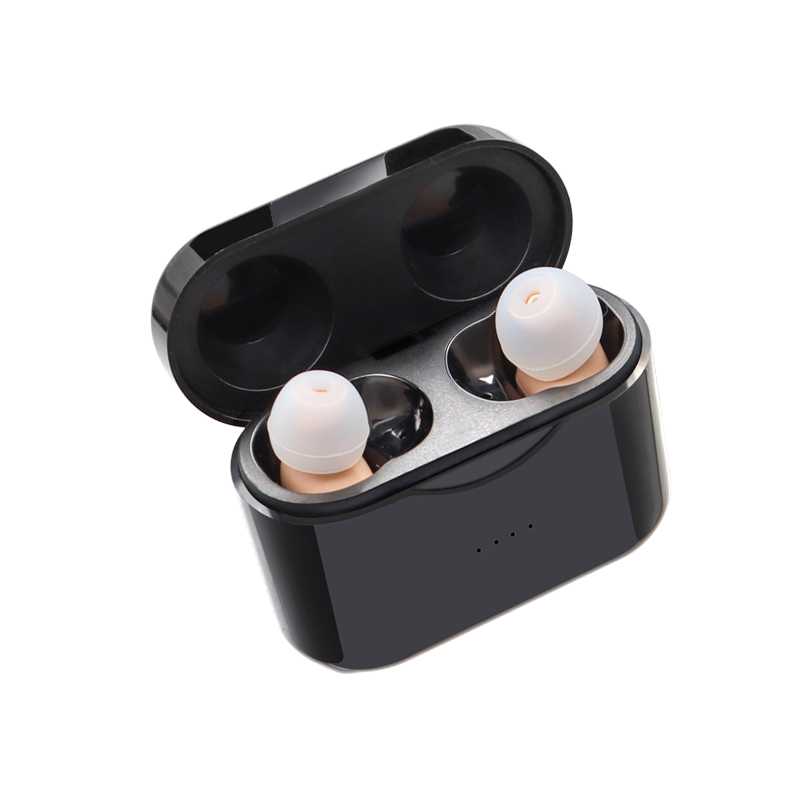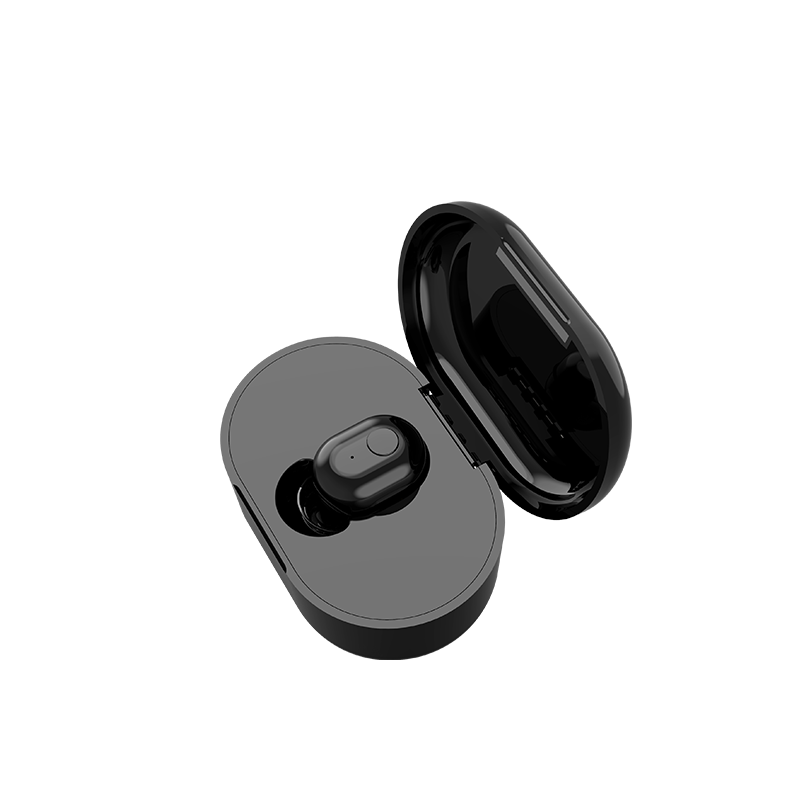
What is AI?
AI is a catchall term for multiple technologies that all work toward the goal of enabling machines to gather information, learn, and then make predictions and decisions based on it. Machine learning and deep neural networks fall under the umbrella of AI as well, and we’ll discuss how they apply to hearing aids below.
Latest technology in AI-powered hearing aids
AI-assisted hearing aids are revolutionizing the way users experience sound. These advanced devices are trained on millions of real-world audio samples, enabling them to accurately distinguish between important sounds, such as human speech, and background noise. The result is a more natural, immersive listening experience tailored to the user’s environment. Many AI-based hearing aids now feature integrated motion sensors and head-tracking technology. These innovations allow the device to detect where the user is looking or moving, adjusting sound directionality and processing in real time. This leads to enhanced spatial awareness and more realistic sound perception, especially in dynamic or noisy environments.
AI-enhanced hearing aids also include a range of intelligent features such as:
- Adaptive noise cancellation
- Speech and sound classification
- Voice control integration
- Bluetooth connectivity and app-based personalization
- Remote programming and support through tele-audiology
These innovations highlight the growing potential of AI for hearing aids, offering smarter, more responsive solutions to meet diverse hearing needs.
However, it’s important to balance features with lifestyle. Those with quieter routines may not require highly adaptive technologies, while socially active users or those often in complex soundscapes can benefit greatly from these advanced AI-driven capabilities.
The benefits of hearing aids with AI technology
Artificial intelligence is transforming the hearing aid industry, offering smarter, more personalized hearing experiences. Modern AI-assisted hearing aids are no longer just devices that amplify sound — they are intelligent systems capable of adapting in real time to the user’s environment and preferences.
- Smarter Sound Processing: AI-based hearing aids analyze millions of audio samples to distinguish speech from background noise. This allows for improved clarity in challenging environments, like restaurants or busy streets.
- Adaptive Noise Reduction: These devices continuously adjust to changing soundscapes without the need for manual adjustments. For example, AI can suppress wind noise or reduce background chatter without affecting the quality of the speaker’s voice.
- Personalization and Learning: Over time, AI for hearing aids learns the user’s preferences and typical environments. It automatically adjusts settings based on routine activities, such as commuting, attending meetings, or watching TV.
- Spatial Awareness and Directionality: Many AI-assisted models use motion sensors and head tracking to understand where the user is looking. This helps enhance sound in the direction of focus, improving localization and natural hearing.
- Smart Features and Connectivity: From voice assistant integration to remote fine-tuning via apps, AI-enhanced hearing aids offer convenience and control. Bluetooth compatibility allows seamless streaming from phones, TVs, and other devices.
But the benefits don’t stop at AI technology. In general, hearing aids — whether AI-powered or not — offer many benefits, from supporting mental health1, mitigating the risk of cognitive decline2, lower fall risk for older adults3 and more.
Cost of AI hearing aids: what to expect
As you might expect, hearing aids with the most current and advanced technology are priced differently than the most basic models. However, there are still some variations among AI hearing aid costs, so it’s important to talk to a hearing care professional at Miracle-Ear about what might work for your budget.
Personalization & Health Integration
At the core of next-generation hearing aids lies intelligent personalization. These systems adapt based on user feedback, learning to tailor sound output for a wide range of daily situations—from quiet rooms to busy streets and social gatherings—reducing listening fatigue and increasing comfort.
Some key innovations include:
- Biometric Sensors: Select models now incorporate health-focused features such as fitness tracking and fall detection. These features can monitor physical activity and automatically alert emergency contacts in the event of a fall.
- Automatic Sound Adjustment: Advanced algorithms detect changes in the environment and adjust settings in real-time for optimal hearing, without requiring manual input.
- Improved Speech Recognition: AI-enhanced processing enables clearer conversation by isolating voices and minimizing background noise.
- Adaptive Noise Reduction: Devices learn from surroundings and adjust suppression levels dynamically, offering a seamless auditory experience.
- Smart Connectivity: Integration with smartphones and external audio sources allows for streaming, remote control, and app-based personalization.
The Future of Hearing Aid Technology
Looking forward, hearing aids are set to become even more intelligent and immersive, with features such as:
- Smarter Environmental Adaptation: Continuous learning will enable more precise sound optimization for ever-changing settings.
- Immersive Spatial Audio: Integration with augmented and virtual reality could enhance situational awareness and user immersion.
- Predictive Feedback Systems: AI may soon anticipate auditory needs before the user adjusts settings.
- Offline Pre-trained Models: On-chip AI could allow for real-time processing and adaptation, even without an internet connection.
The best AI hearing aids in 2025: how are they?
Manufacturers are increasingly embedding AI into their latest models. For instance, some offer real-time personalization through interactive apps, while others feature onboard AI chips that continuously adjust sound settings based on immediate acoustic feedback. These advancements also support health-related features, such as fitness tracking, fall detection, and heart rate monitoring — broadening the scope of hearing aids from audio devices to holistic wellness tools.
The benefits of AI-powered hearing aids are wide-ranging. Users experience clearer conversations, better comfort in noisy environments, less listening fatigue, and fewer manual adjustments. Connectivity features such as Bluetooth streaming, voice assistant integration, and remote fine-tuning via smartphone apps further enhance convenience and control.
For people who frequently find themselves in complex auditory environments or who value integrated health features, AI-enhanced models offer a clear advantage.
How to adapt to hearing aid new technology
Ultimately, AI is reshaping how people with hearing loss interact with the world. By automatically adapting to real-life scenarios and learning from user behavior, these hearing aids deliver a highly personalized, intuitive experience. As AI continues to evolve, future hearing aids are expected to offer even greater environmental awareness, immersive soundscapes, and predictive audio adjustments — all while reducing the cognitive effort required to stay connected in everyday life. For many users, these smart hearing aids represent a major step forward in both hearing health and overall quality of life.
Looking ahead, Miracle-Ear envisions hearing aids with even more intelligent environmental adaptation, immersive spatial audio enabled by AR/VR integration, predictive feedback mechanisms, and enhanced deep neural network (DNN) performance through embedded AI. These developments will support offline use of pre-trained models and continuous learning for a more personalized experience.
To fully benefit from your AI-powered hearing aids, we suggest:
- Scheduling a consultation with a certified Miracle-Ear hearing care professional
- Learning how to use your hearing aids and its companion mobile app
- Keeping your hearing aids regularly updated and properly maintained
- Taking advantage of the unlimited care, clinical support, and routine check-ups that are included with your purchase when you buy Miracle-Ear hearing aids.