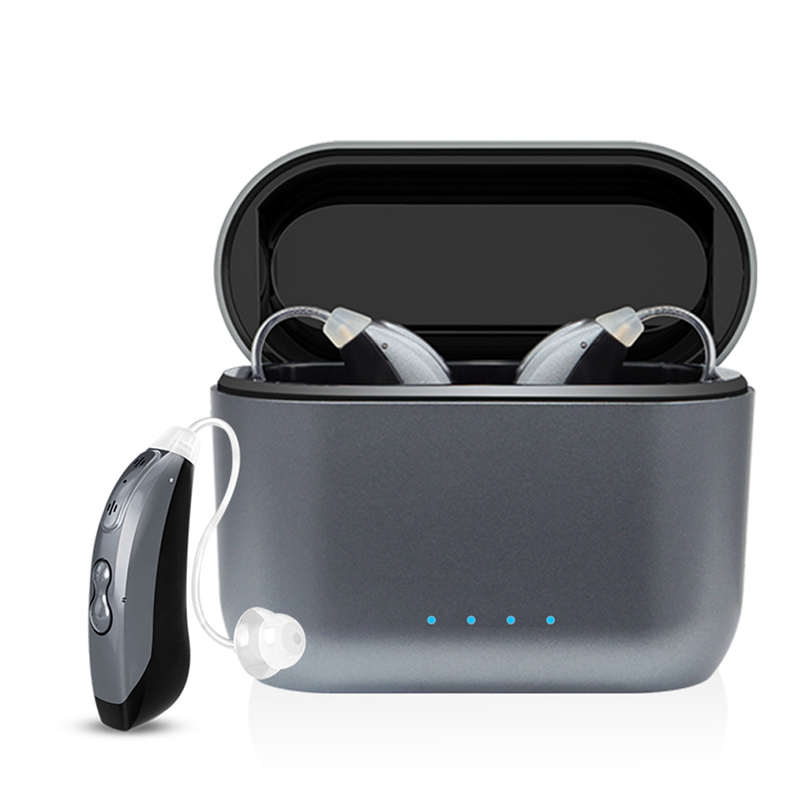
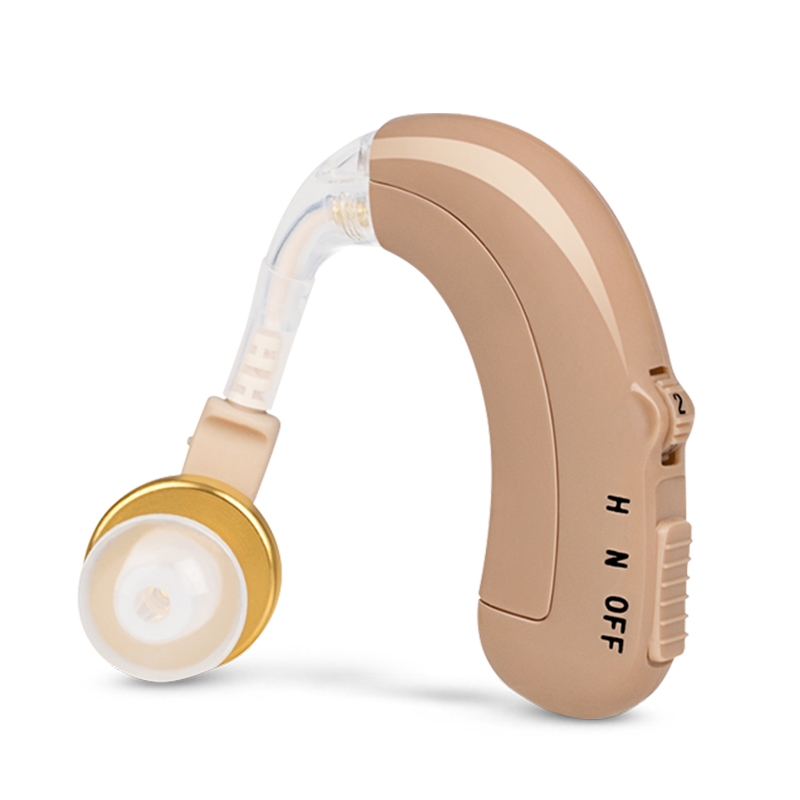
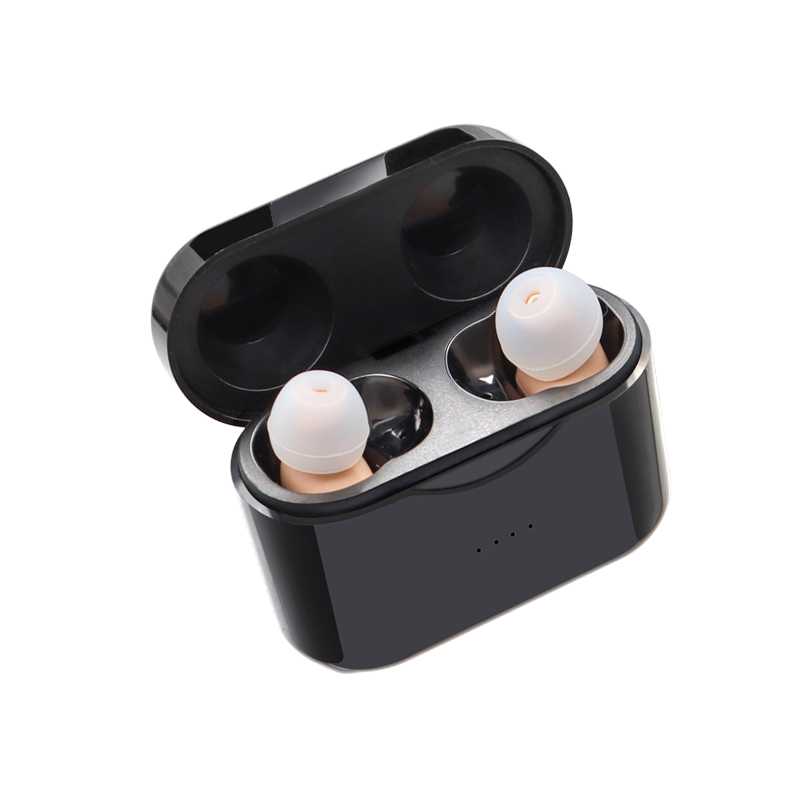
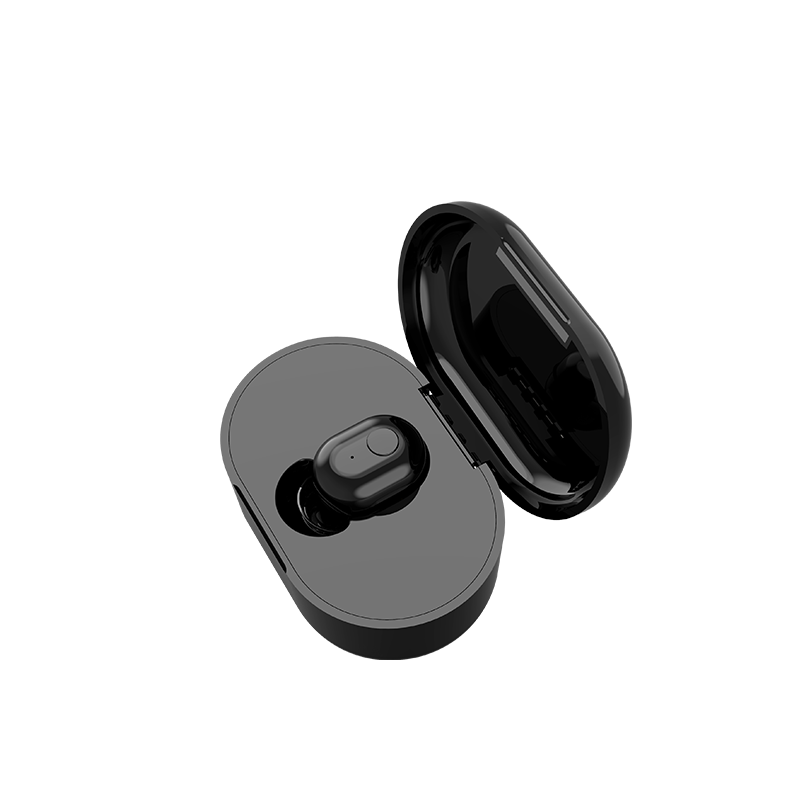
Hearing aids, particularly in-the-canal (ITC) models, can cause discomfort or issues if they don't fit properly. Common signs of an improper fit include persistent ear pain, which may result from devices that are too large or poorly designed, and jaw movements that affect the ear canal's size. Another indication is a whistling or squealing sound caused by feedback due to loose-fitting aids. If these issues persist beyond the initial adjustment period, it’s crucial to seek professional help. Innovations like MIT's digital scanning technology aim to improve fitting accuracy, while companies like Audicus offer customizable solutions, such as different-sized soft-tips and ear domes, to ensure a proper fit at home. Proper care of hearing aids is essential once the right fit is achieved.

Hearing aids are expensive when purchased at a clinic, but they come with the benefit of in-person adjustments. You don't need to visit a clinic, however, to know that your device fits improperly. This is more common with in the canal hearing aids. Look for these cardinal signs of hearing aids that don’t fit, and take action if they seem to describe your device
In the Canal Hearing Aids: Are You Experiencing Ear Pain?
Common Signs Your Hearing Aids Don't Fit Correctly
One of the most common signs of an improper fit of your in the canal hearing aids is ear pain, which can radiate to other areas. This pain results from earpieces that are too large or manufactured incorrectly. Jaw movements can also affect the size of the ear canal. Feel this for yourself by placing your pinky finger in your ear canal and opening your mouth.
Experiencing Pain from Your Hearing Aids That Lasts More Than a Couple Days
For first-time wearers, hearing aid fit will be painful for the first couple of days, but then the pain will completely go away or subside substantially. However, if pain subsists, you have to be proactive. Make sure to return it within the trial period and consult with your audiologist so you can get a hearing aid that fits properly. Don’t settle, and don’t play it down – the pain will definitely interfere with the effectiveness of your In the Canal hearing aids.
In the Canal Hearing Aids: Are You Experiencing a Whistling Sound?
What’s the common denominator between a rock concert and a hearing aid? Besides hearing loss, both have intricate sound systems. And just like the unnerving squeal you hear from concert speakers, hearing aids can have auditory feedback issues – if they don’t fit.Loss-fitting Hearing Aids and the dreaded "Squealing" Sound in Your Ear
Do you hear a high-pitched noise that sounds like squealing or whistling? Loose-fitting hearing aids allow extra sound to leak out of the receiver and reach the microphone input, causing a feedback loop that manifests as a highly irritating squeal, otherwise known as a “whistling” hearing aid. Some feedback is normal and can indicate that the device is working. But if feedback occurs spontaneously, it may be the result of ill-fitting hearing aids. Examples of this might include feedback while chewing, brushing your hair, or scratching the side of your head. If the feedback prevents you from adjusting the volume to a desirable level, it may be the result of ill-fitting hearing aids.
In the Canal Hearing Aids: How Do You Know If They Fit?
The typical hearing-aid purchase includes multiple fittings and returns, which can be frustrating, expensive, and time-consuming, so researchers and clinicians are trying to make the fitting process more accurate. Doug Hart, Ph.D., professor of mechanical engineering at MIT, developed a digital scanning technology to provide an extremely accurate image of the inner ear. The technique, emission reabsorption laser-induced fluorescence (ERLIF) can even measure how the ear canal changes shape with movements of the jaw bone. This is a prime example of hearing-related innovation and will be beneficial for both in the canal hearing aids as well as BTE hearing aids. Whether or not ERLIF, or other research, will downsize the hassle, it’s important to make sure hearing aids fit correctly. Luckily, Audicus provides differently-sized soft-tips and ear domes, so you can determine the correct hearing aid fit without leaving home. Once you get the right fit, remember to properly care for your hearing aids to keep them in great shape.by Estie Neff, Updated in 2022 by Kim Smith
The above is the interpretation of The Pros and Cons of ITC Devices provided by Chinese hearing aid supplier Shenrui Medical. Link https://www.srmcm.com/Blog/The_Pros_and_Cons_of_ITC_Devices.html of this article is welcome to share and forward. For more hearing aid related information, please visit Blog or take a look at our Hearing aids products