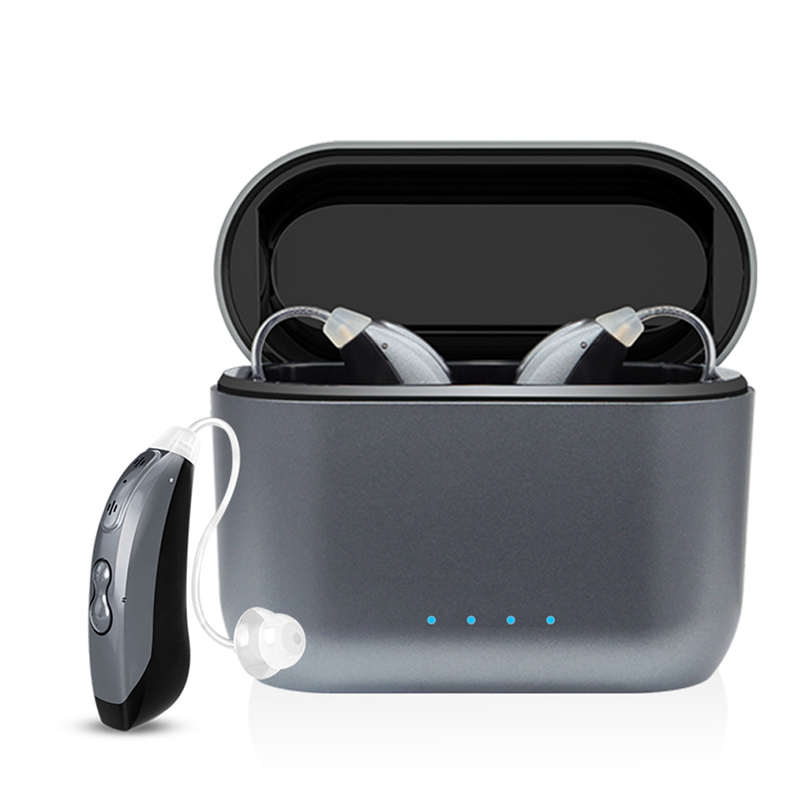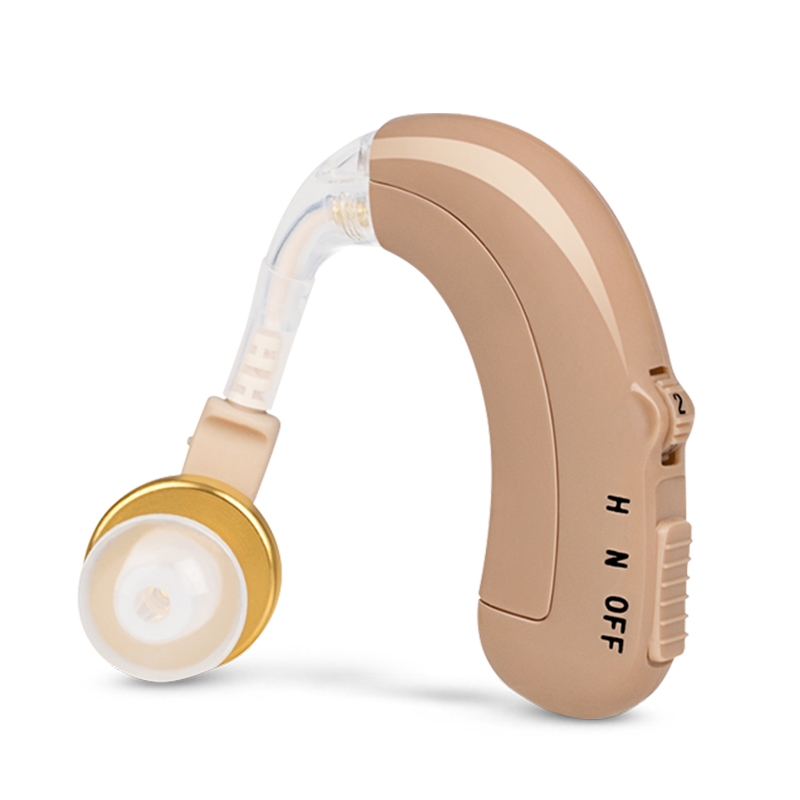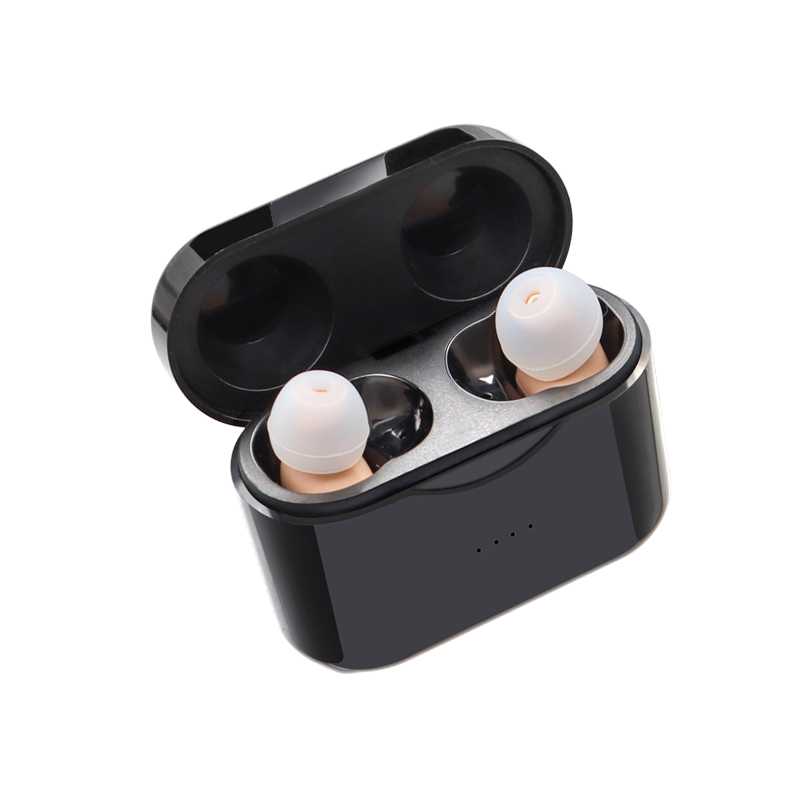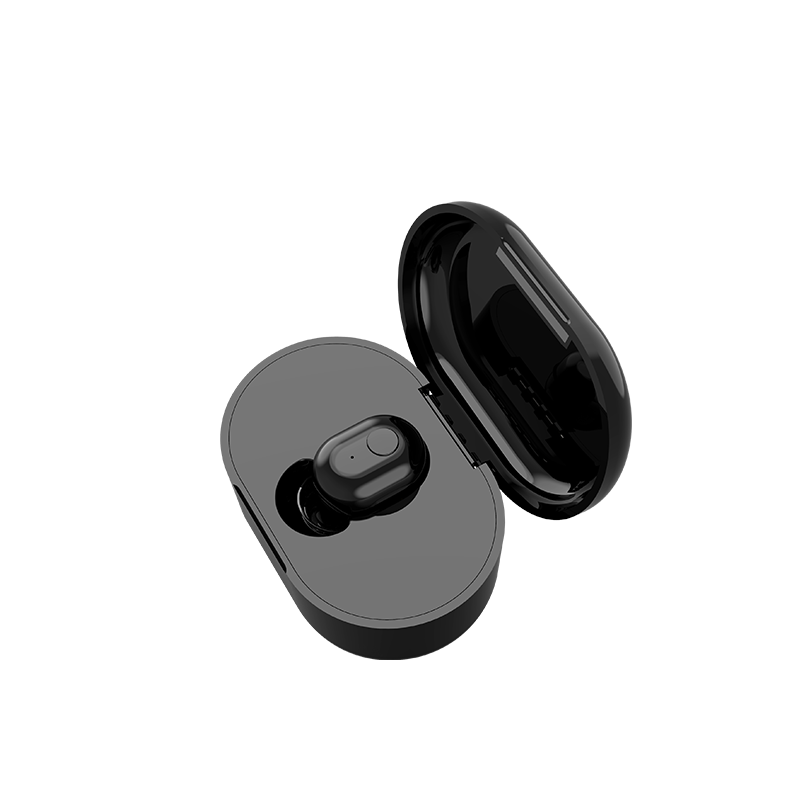
Regularly wearing hearing aids has been linked to living longer.1 But should you wear them all the time, even while sleeping? Many people who have recently gotten hearing aids wonder if it’s a good idea to wear them at night. Before you do it, get to know the risks associated with wearing hearing aids overnight.
Wearing hearing aids is not as uncommon as you might think. Huge numbers of people struggle with hearing loss; it’s estimated that as many as 28.8 million adults in the U.S. could benefit from wearing hearing aids.2 If you’ve just gotten hearing aids, you might wonder, “Should I wear my hearing aids all the time?” Wearing them can be an adjustment at first, but with some time, you’ll get used to the routine of living with hearing aids. While it’s safe to wear hearing aids most of the time—and more effective to wear them regularly—there are a few instances when it’s recommended to take them out, such as when you’re swimming, bathing or sleeping.
One of the first things people wonder when they get hearing aids is, “Can you sleep with hearing aids?” Generally speaking, you should not wear your hearing aids while sleeping. There are several reasons why it is not recommended, and it’s a good idea to take your hearing aids out each night to give your ears a break. However, should you sleep with hearing aids in, whether by accident or by choice, there are a few risks to be aware of.
You may wonder what happens if you accidentally leave your hearing aids in when you fall asleep. Hearing aids most likely won’t be damaged and your ears likely will be fine if you leave them in by accident. However, it’s best to not make this a habit and to get into the routine of taking out your hearing aids before you go to bed at night.
Cleaning your hearing aids regularly is an important part of maintaining them, especially if you’ve worn them overnight or for a long stretch of time. If you’re wondering “How do I clean my hearing aids?” here are a few tips:
- Avoid water: Use a soft, dry cloth instead of water or any cleaning chemicals on your hearing aids.
- Use hearing aid-specific tools: From brushes to picks to multi-tools, you should only use what’s designed specifically for cleaning hearing aids. They can help you reach the tiny nooks and crannies of your devices with less risk of damage.
- Handle your hearing aids gently: If your hearing aids have any earwax buildup, carefully remove it, and don’t jab at the microphone or receiver ports.
When it comes to hearing aid maintenance, there are several steps you can take to help ensure their longevity and optimal performance. Here are a few ways you can practice taking good care of your hearing aids:
- Develop a regular cleaning routine: Consistent cleaning is necessary for keeping your hearing aids in good condition and functioning well, as well as for protecting your ear health.
- Use a hearing aid dehumidifier or dryer: This will help get rid of any sweat or moisture that’s built up in your hearing aids. Some devices can even help kill off bacteria with ultraviolet (UV) light.
- Store your hearing aids in a dry place when you’re not wearing them: Avoid keeping your hearing aids in humid environments like the bathroom, where excess ambient moisture can cause damage over time.
- Protect your hearing aids from the elements when you’re wearing them: Wear a hat or use an umbrella if you’re wearing your hearing aids in the rain or snow, and be sure to take them out if you go swimming.
If you damage your hearing aids, whether it’s from wearing them while sleeping or otherwise, it’s important to visit your hearing care professional t as soon as you can. Don’t try to fix it on your own. You can contact one of more than 1,500 Miracle-Ear locations nationwide where you can get professional help with troubleshooting and repairs.
1 Choi, Janet S; Adams, Meredith E; Crimmins, Eileen M; Lin, Frank R; and Ailshire, Jennifer A. “Association between hearing aid use and mortality in adults with hearing loss in the USA: a mortality follow-up study of a cross-sectional cohort.” The Lancet Healthy Longevity, Volume 5, Issue 1, e66 - e75. January 15, 2024. https://www.thelancet.com/journals/lanhl/article/PIIS2666-7568(23)00232-5/fulltext
2 NIDCD Epidemiology, Statistics, and Population Sciences Section, based on December 2015 Census Bureau estimates of the noninstitutionalized U.S. population, personal communication; May 2016. https://www.nidcd.nih.gov/health/statistics/quick-statistics-hearing
The above is the interpretation of The Pros and Cons of Sleeping in Your Hearing Aids provided by Chinese hearing aid supplier Shenrui Medical. Link https://www.srmcm.com/Blog/The_Pros_and_Cons_of_Sleeping_in_Your_Hearing_Aids.html of this article is welcome to share and forward. For more hearing aid related information, please visit Blog or take a look at our Hearing aids products