Did you know…that hearing loss is associated with a higher risk of developing dementia?
In recent years, scientific research has shed light on the intriguing relationship between hearing loss and dementia. While hearing loss has long been associated with communication difficulties and social isolation, emerging evidence suggests a deeper connection between these two conditions. Understanding this connection is crucial not only for individuals experiencing hearing loss but also for their loved ones and healthcare professionals.
The evidence linking hearing loss to an increased risk of developing dementia keeps piling up. One Johns Hopkins study found that people with severe hearing loss are five times more at risk for developing dementia than people without hearing loss. Another one found that untreated hearing loss can increase the risk of dementia by 50 percent.
So, why is hearing loss linked to dementia? Scientists attribute several contributing factors:
- Hearing loss shifts the cognitive load of the brain — The brain spends too much energy trying to process what it’s hearing, giving it less time to spend on thinking and memory. Untreated hearing loss forces the brain to compensate for the lack of auditory input, leading to cognitive overload. This constant strain on cognitive resources can accelerate cognitive decline and increase the risk of developing dementia.
- Hearing loss accelerates brain atrophy — While all brains shrink as we age, in studies, people with impaired hearing had “accelerated rates of brain atrophy”, particularly in areas related to speech and sound processing. This brain shrinkage can further diminish cognitive reserve, making individuals more susceptible to dementia-related changes.
- Hearing loss leads to social isolation and loneliness — Social isolation has been associated with a 50 percent increased risk of dementia. Hearing loss often leads to communication difficulties, causing individuals to withdraw from social interactions. Social isolation and loneliness have been identified as risk factors for dementia, as they contribute to cognitive decline and impact overall mental well-being.
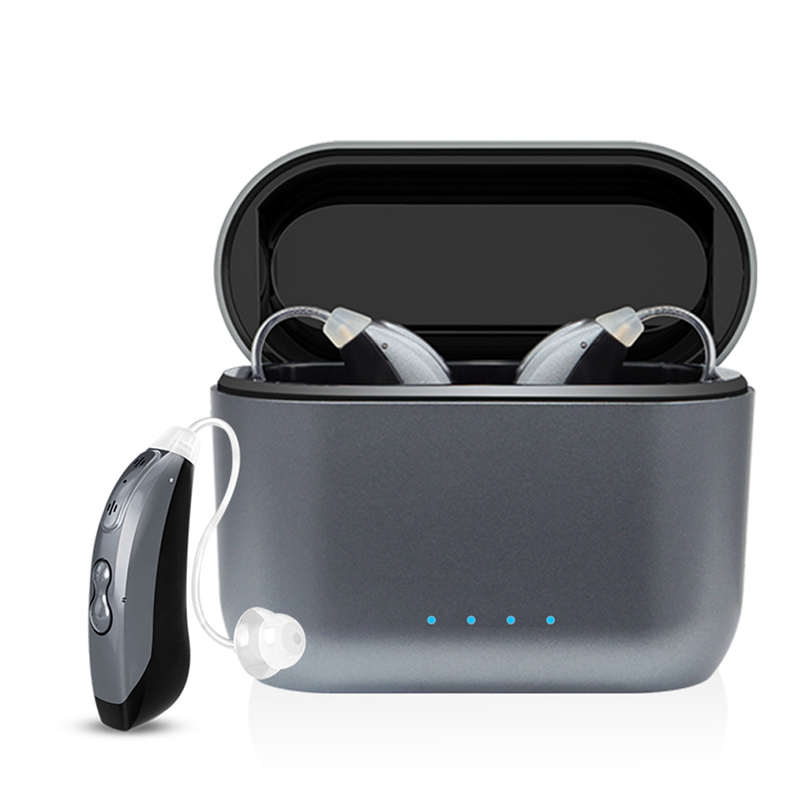
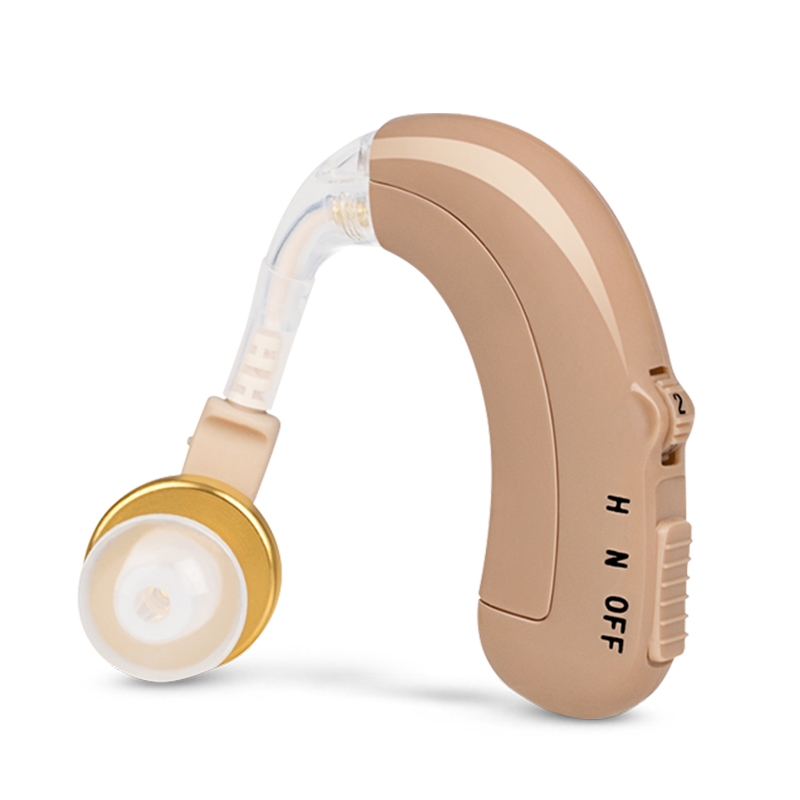
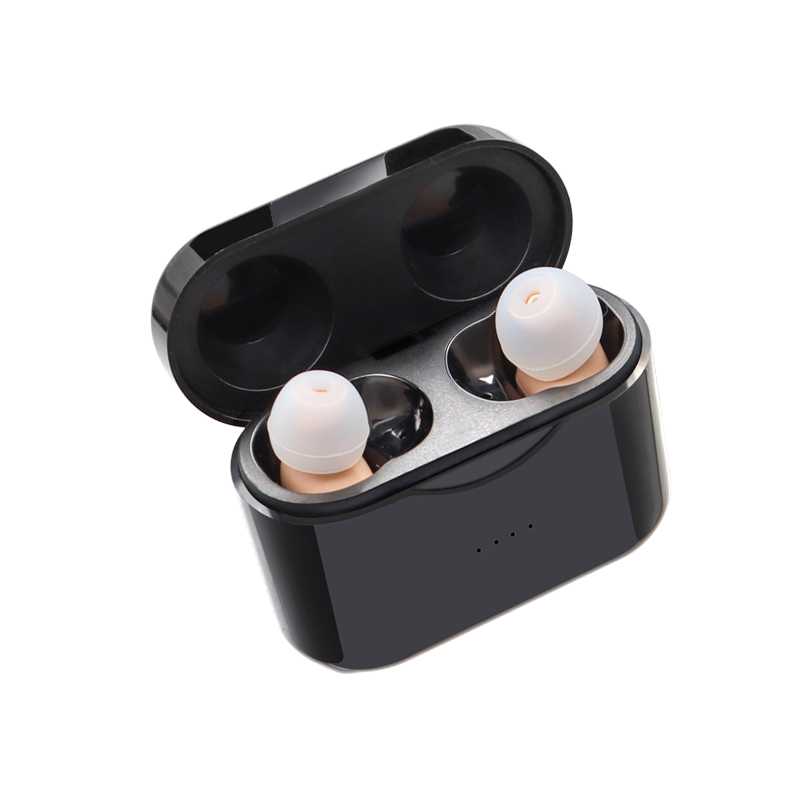
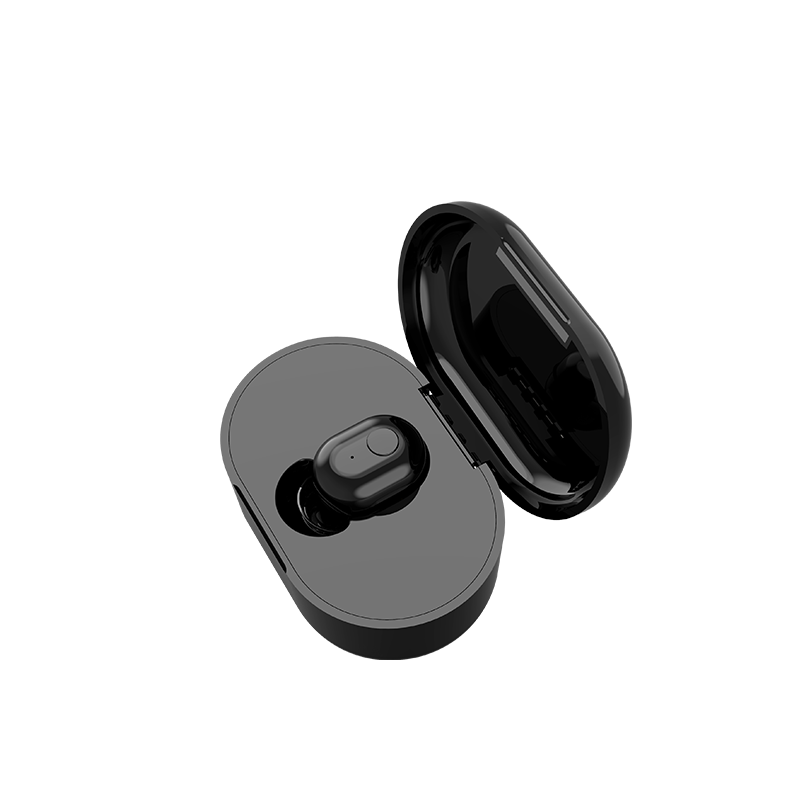
More recently, researchers have been looking into whether treating hearing loss with hearing aids can prevent cognitive decline.
One 2022 analysis of studies and trials found that “compared to people who didn’t use [hearing aids], people who did had a 19 percent lower risk of cognitive decline.”
And a study published in the Lancet concluded that treating hearing loss was the number one risk factor people could modify to “reduce the incidence of dementia or substantially delay its onset.”
While the link between hearing loss and dementia continues to be studied, the evidence thus far suggests a strong association. We know more studies are currently underway and will update information accordingly when the results are published. Recognizing the link between hearing loss and dementia emphasizes the importance of early detection, intervention, and treatment of hearing impairment. By addressing hearing loss promptly, individuals can potentially reduce the risk of cognitive decline, enhance their overall brain health, and improve their quality of life. Remember, seeking professional advice from audiologists and healthcare providers is essential for accurate diagnosis, personalized treatment, and managing the impact of hearing loss on cognitive health.
Find out what noises you may be missing! Schedule an appointment today for a hearing consultation.
Schedule Appointment The above is the interpretation of The Strong Association Between Hearing Loss and Dementia provided by Chinese hearing aid supplier Shenrui Medical. Link https://www.srmcm.com/Blog/The_Strong_Association_Between_Hearing_Loss_and_Dementia.html of this article is welcome to share and forward. For more hearing aid related information, please visit Blog or take a look at our Hearing aids products