Key Takeaways
Older adults with hearing loss may be significantly more likely to develop dementia or cognitive decline.
Theories suggest hearing loss increases cognitive load and social isolation, both of which are tied to dementia risk.
Hearing aids may help delay cognitive decline, especially when used early.
What the Research Shows About Hearing Loss and Dementia
Research over the past decade has uncovered a strong connection between hearing loss and dementia. In fact, a 2023 study published in The Lancet suggests hearing loss may be the largest modifiable risk factor for dementia in older adults. According to Johns Hopkins, adults with moderate hearing loss are three times more likely to develop dementia compared to those with normal hearing.
This connection holds even when adjusting for age, education, and other health conditions. And the more severe the hearing loss, the greater the risk appears to be.
Even more striking, individuals with both hearing and vision impairment—known as dual sensory impairment—face an eight-fold increase in dementia risk, according to a 2022 study in the Journal of Alzheimer's Disease Reports.
Why Hearing Loss Might Influence Dementia Risk
There’s no single explanation, but researchers have proposed several compelling theories to explain the link.
Cognitive Load Theory
When someone has untreated hearing loss, the brain has to work overtime to process sound. This extra effort pulls mental energy away from other tasks, like memory and decision-making. Over time, this added strain may accelerate cognitive decline.
Social Isolation and Emotional Health
Hearing loss often leads to reduced social interaction. Struggling to follow conversations can be frustrating and lead people to withdraw from family gatherings or community events. Social isolation is a well-known risk factor for dementia and depression.
Sensory Deprivation and Brain Structure
Studies have shown that untreated hearing loss may lead to physical changes in the brain. Areas responsible for processing sound shrink when they’re no longer stimulated, a process known as auditory deprivation. This can impact adjacent regions involved in memory and language.
Cause, Correlation, or Warning Sign?
It’s important to note that while researchers have found a strong association, they haven’t proven that hearing loss causes dementia. Instead, the connection may be:
Causal, meaning hearing loss actively contributes to cognitive decline.
Correlative, meaning both may stem from a common underlying condition like vascular disease.
Predictive, meaning hearing loss could be an early sign of brain changes already in progress.
Most experts agree that treating hearing loss is a worthwhile step—even if it doesn’t prevent dementia outright, it may delay its onset or reduce its severity.
Can Treating Hearing Loss Help?
Several studies have explored whether hearing aids can slow cognitive decline. A standout trial—ACHIEVE (Aging and Cognitive Health Evaluation in Elders)—found that participants at high risk of dementia who used hearing aids experienced significantly slower rates of cognitive decline over a three-year period.
In observational studies, older adults with hearing loss who use hearing aids consistently score higher on memory and executive function tests compared to those who don’t use hearing aids.
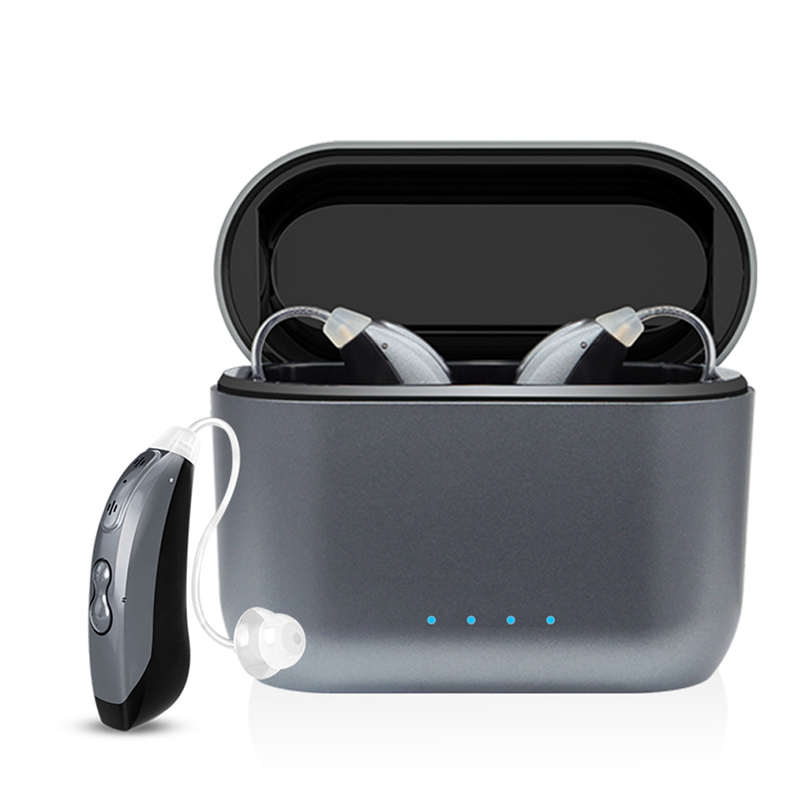
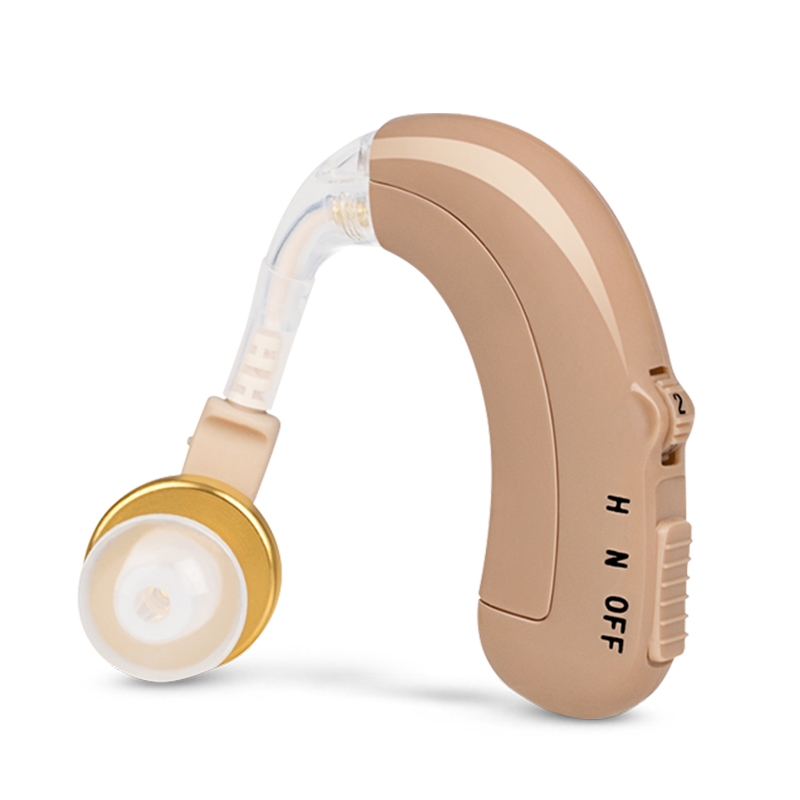
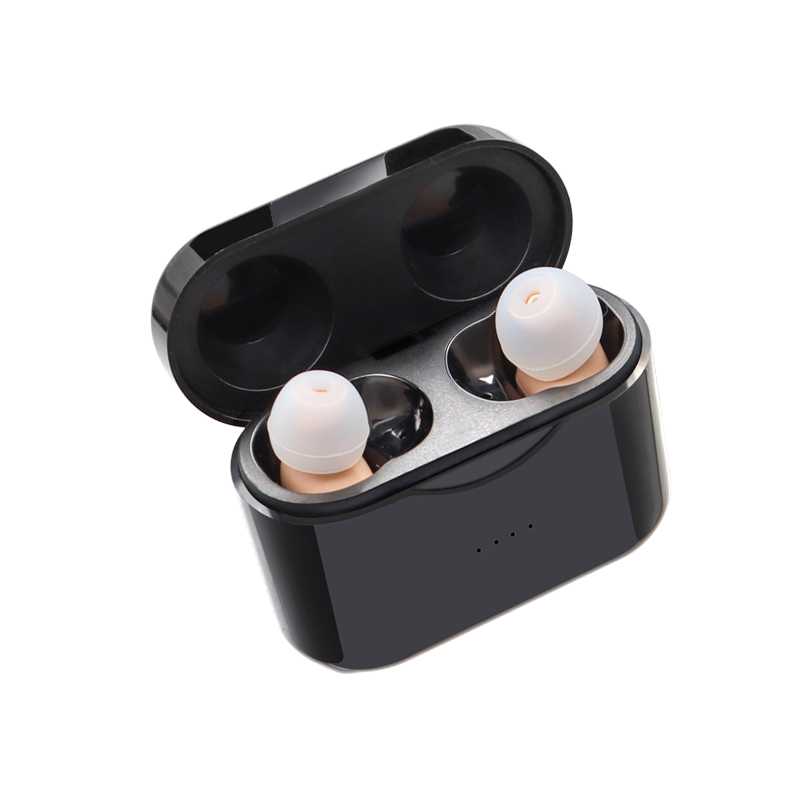
These results are promising, especially given how accessible treatment is. Hearing aids, cochlear implants, and auditory training may not only improve hearing, but support brain health too.
“Hearing loss is very treatable in later life, which makes it an important public health target to reduce risk of cognitive decline and dementia,” said Dr. Frank Lin of Johns Hopkins, one of the leading researchers in this field.
When and How to Get Your Hearing Checked
If you're over 60 or have noticed changes in your hearing, it’s a good idea to schedule a professional hearing evaluation. Online hearing tests can provide a starting point, but a licensed audiologist can give you a more accurate diagnosis and guide you toward the right solution.
For many older adults, presbycusis, or age-related hearing loss, is a gradual process that goes unnoticed until it starts affecting communication. Early testing and treatment can make a big difference.
Curious about your options? Explore our guide to choosing the right hearing aid based on your hearing profile, lifestyle, and budget.
What Gets in the Way of Treatment?
Despite the risks, hearing loss is often left untreated. Only about 1 in 4 adults who could benefit from hearing aids actually use them.
Common barriers include:
Stigma — Some fear that hearing aids signal aging or frailty.
Cost — Hearing aids can be expensive and aren’t always covered by insurance.
Awareness — Many people simply don’t realize how much their hearing has declined.
Newer over-the-counter hearing aids and online hearing care models are helping make treatment more accessible and affordable.
Supporting Brain Health Beyond Hearing
While hearing is a major piece of the puzzle, other lifestyle choices also play a role in cognitive health:
Get regular vision checkups — Dual sensory impairment increases dementia risk even more than hearing loss alone.
Stay socially active — Join a club, make regular phone calls, or volunteer.
Manage chronic conditions — Conditions like high blood pressure and diabetes can also affect brain health.
Exercise regularly — Physical activity boosts blood flow to the brain.
Frequently Asked Questions
Does hearing loss cause dementia?No one cause has been proven, but studies show a strong link between hearing loss and increased risk of dementia. Most experts believe untreated hearing loss contributes to cognitive decline over time.
Can hearing aids prevent dementia?Hearing aids may reduce the risk or slow the progression of dementia, especially in older adults at high risk. They help by lowering the mental effort needed to hear and increasing social interaction.
When should I get a hearing test?Most experts recommend a baseline hearing test around age 60, or sooner if you’re noticing signs like trouble following conversations or needing to raise the volume on the TV.
Why does social isolation matter in dementia risk?Isolation reduces cognitive stimulation and can lead to depression, both of which increase the risk of cognitive decline. Treating hearing loss can help people stay engaged and connected.
What’s dual sensory impairment?It refers to having both hearing and vision loss. Studies show this combination significantly raises dementia risk compared to either condition alone.
The above is the interpretation of The Strong Link Between Untreated Hearing Loss and Alzheimer's provided by Chinese hearing aid supplier Shenrui Medical. Link https://www.srmcm.com/Blog/The_Strong_Link_Between_Untreated_Hearing_Loss_and_Alzheimer_s.html of this article is welcome to share and forward. For more hearing aid related information, please visit Blog or take a look at our Hearing aids products