What Does Conductive Hearing Loss Feel Like
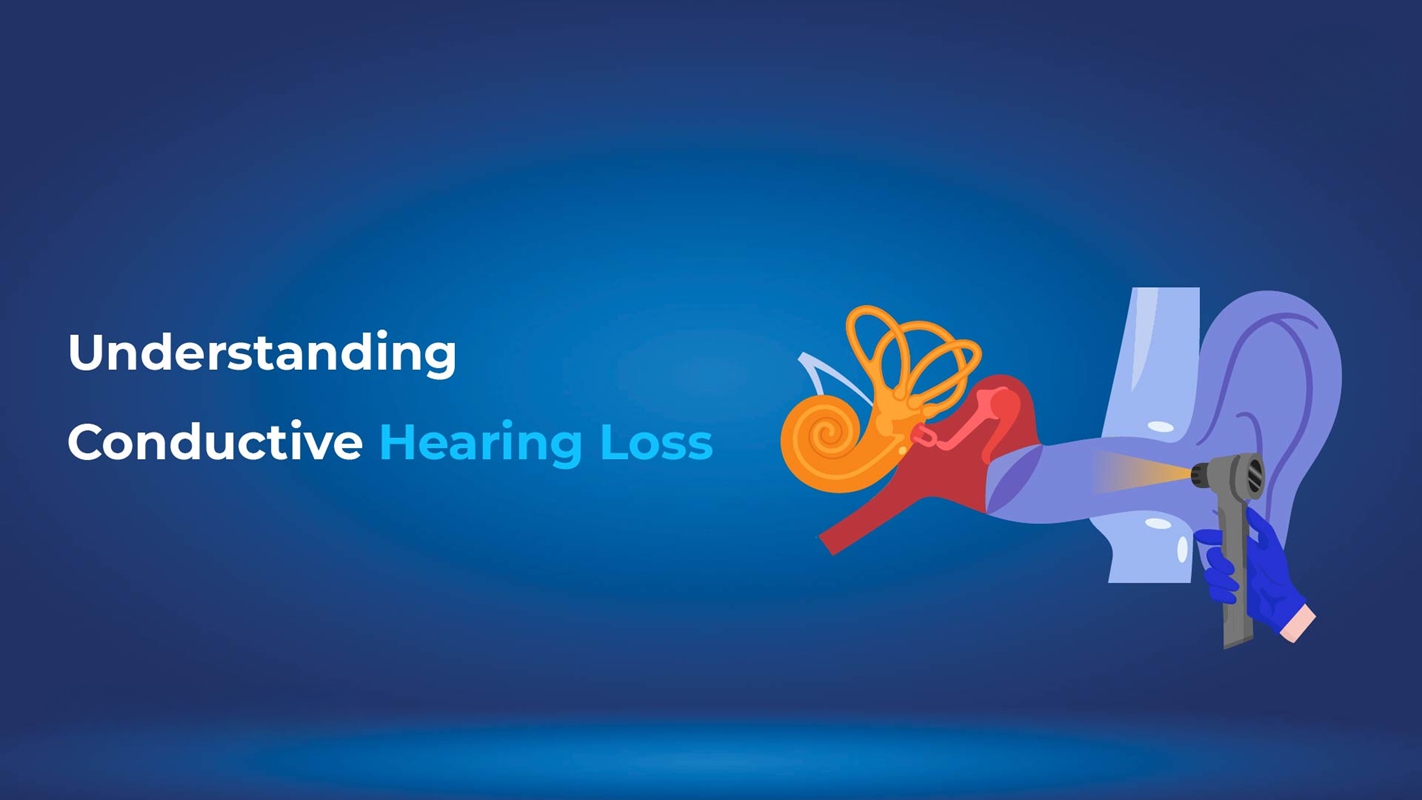
Conductive hearing loss happens when something blocks or interferes with sound reaching the inner ear. It feels like our ears are muffled or blocked, like we can't hear the sounds normally. Especially in noisy environments, we face some problems in understanding what people are saying. The good news? It’s usually temporary and treatable.
Common Causes of Conductive Hearing Loss
- Earwax buildup can block sound from reaching the eardrum.
- Fluid in the middle ear, especially after a cold or sinus infection, can muffle sounds.
- Ear infections can cause inflammation and fluid that block sound waves.
- Perforated eardrum due to injury or loud noise can cause sudden hearing loss.
- Eustachian tube dysfunction can lead to pressure changes and ear fullness.
- Foreign objects in the ear canal, especially in children, can block sound.
- Otosclerosis, a genetic condition, causes abnormal bone growth in the middle ear.
Symptoms of Conductive Hearing Loss
- Muffled or soft sounds, like people are speaking from far away.
- A sensation of fullness or pressure in one or both ears.
- Pain or discomfort in the ear, especially during infections.
- Sudden hearing loss after showering or swimming.
- Asking people to repeat themselves more often than usual.
- Children showing delayed speech development or inattentiveness.
How is Conductive Hearing Loss Diagnosed?
The conductive hearing loss can be diagnosed through a physical examination, like otoscopy, a hearing test like pure tone audiometry, or a tuning fork test, and potentially imaging through a CT scan based on the problems in the middle ear.
How to Test for Conductive Hearing Loss
If you're experiencing hearing changes, your doctor will perform a few painless tests to identify the cause.
What to Expect During Your Appointment?
- A visual exam using an otoscope to check for wax, fluid, or injury.
- A hearing test (audiogram) to measure how well you hear various sounds.
- A tuning fork test to distinguish between conductive(pressure difference) and sensorineural hearing loss.
- Tympanometry, which checks how your eardrum responds to air pressure.
What the Results Reveal?
- If sound isn't reaching your inner ear properly, it's likely conductive hearing loss.
- If both air and bone conduction are affected, it may be a mixed type of hearing loss.
- A precise diagnosis helps your hearing care provider recommend the best treatment.
Treatment Options for Conductive Hearing Loss: From Medication to Surgery
The good news is that conductive hearing loss is often reversible with the right treatment. The treatments and surgical options are mentioned below:
Treatment for Conductive Hearing Loss:
- Ear drops or oral antibiotics for ear infections or fungal issues.
- Decongestants and antihistamines to relieve pressure from allergies or sinus issues.
- Earwax removal by a professional to instantly restore hearing.
- Pain relievers like ibuprofen to reduce inflammation.
Surgical Options
Bone-Anchored Hearing Systems (BAHS)
- A small titanium implant placed behind the ear sends sound through bone directly to the inner ear.
- Ideal for people with outer/middle ear damage, chronic infections, or one-sided deafness.
- Since it keeps the ear canal open, it is great for those with drainage issues.
Middle Ear Implants
- A device is surgically placed in the middle ear to enhance hearing.
- Suitable for those who can’t benefit from regular hearing aids.
- Doesn’t block the ear canal and offers clearer, more natural sound.
Tympanoplasty
- A surgical repair of a torn or perforated eardrum.
- Helps stop recurring infections and restores hearing.
- Tissue graft seals the hole, allowing the ear to heal properly.
Hearing Devices
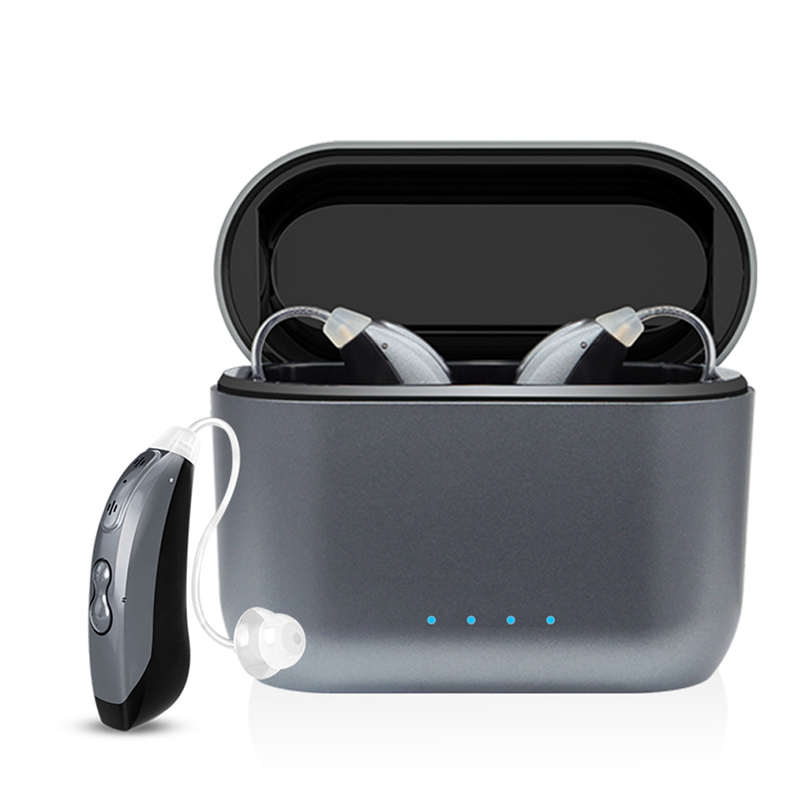
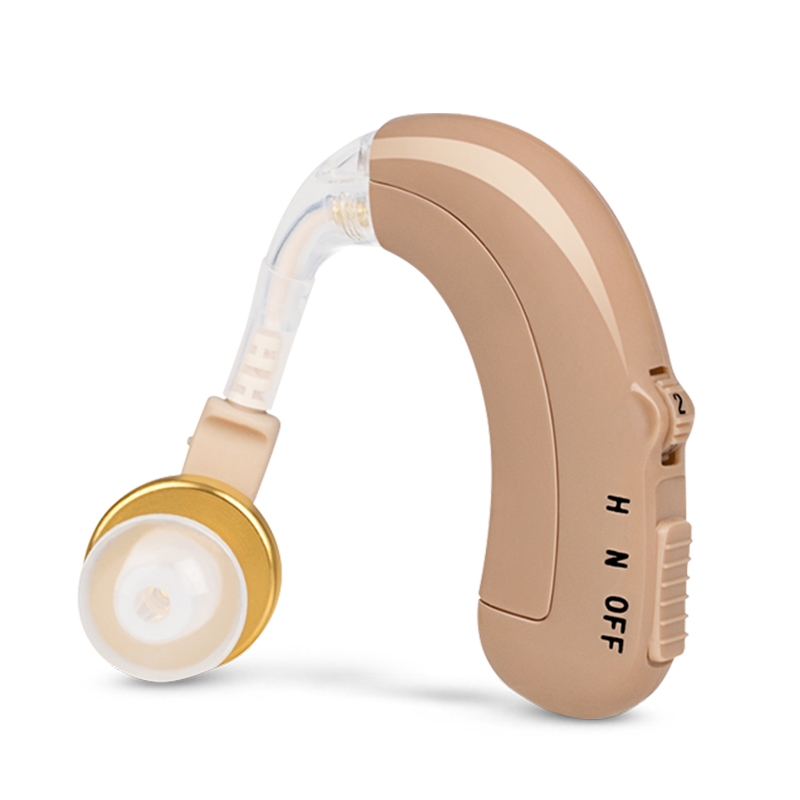
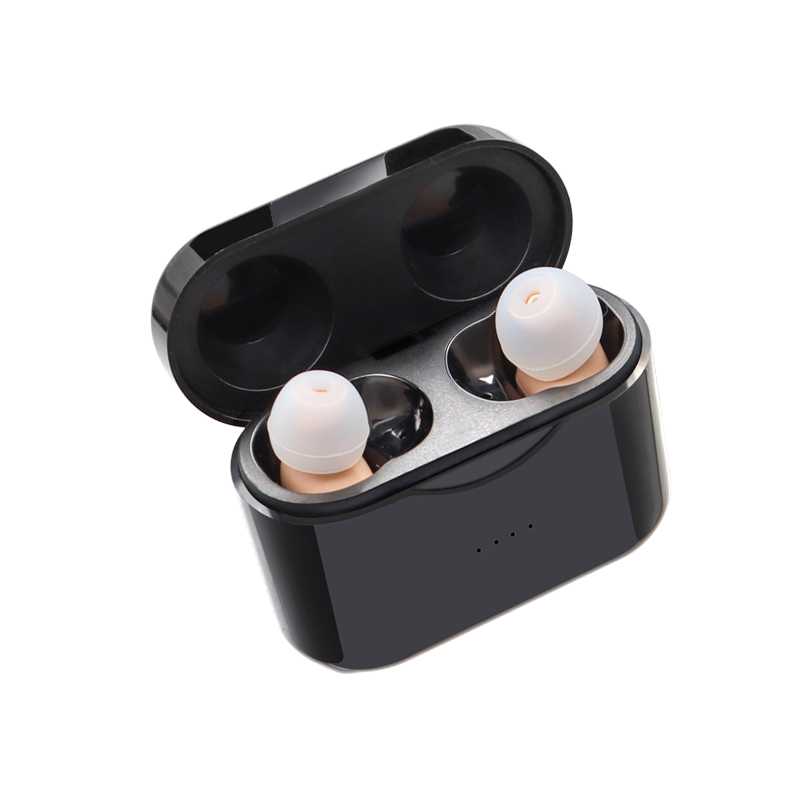
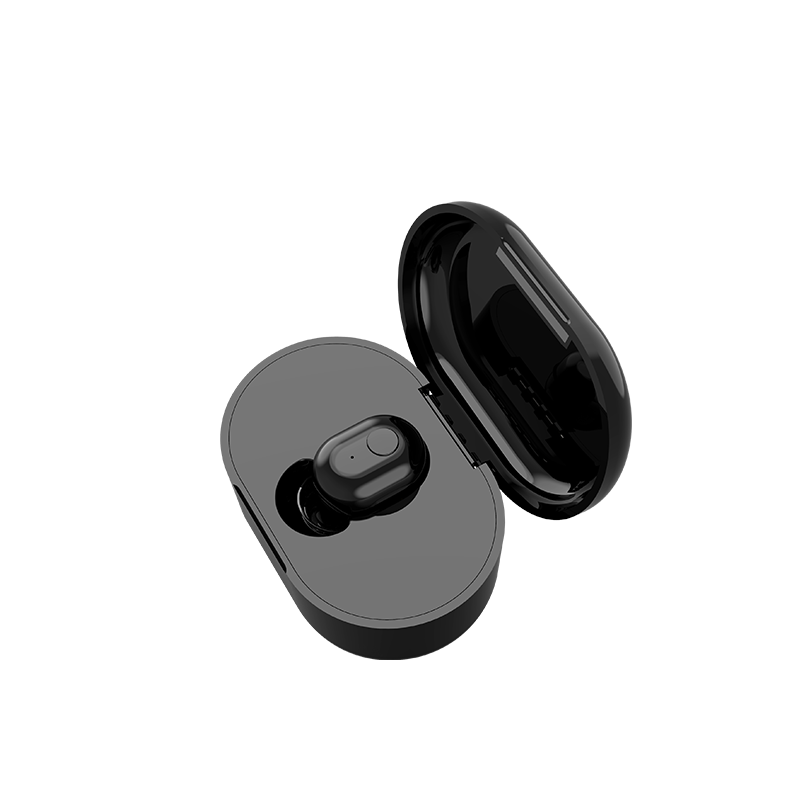
- Traditional hearing aids amplify sound when other treatments don’t fully restore hearing.
- Bone conduction hearing aids bypass the outer and middle ear and deliver sound directly to the inner ear.
Recovery and Prevention Tips:
- Avoid inserting objects (including cotton swabs) into your ears.
- Keep ears dry and protected during swimming or bathing.
- Schedule regular hearing checkups, especially if you're prone to ear infections.
- Treat colds, allergies, and sinus infections early to avoid ear complications.
Take the First Step Toward Better Hearing
If you’ve noticed a change in your hearing, don’t wait. Early diagnosis and treatment of conductive hearing loss can make a huge difference in your quality of life.
Book a Free Hearing Test Today with Hearzap and get expert advice from licensed professionals.
To Schedule Your Appointment, Click Here