You may have heard about Auditory Processing Disorder and wondered what it is and how it relates to hearing, so let’s explore! First, let’s look at what auditory processing is. Auditory processing is the auditory systems (brain) capability to perceive sound, such as tones, speech or music in varied environments.
What is Auditory Processing Disorder (APD)?
APD happens when the brain's ability to perceive sounds is interrupted or diminished. It may be interrupted or diminished by many factors, such as hearing loss, attention disorders, autism spectrum disorder, or head trauma.
Some symptoms include:
- difficulty localizing sound
- difficulty remembering spoken information
- difficulty discerning speech in a noisy place
- trouble understanding complex instructions
Other symptoms may be present depending on the individual.
Does APD only affect children?
Auditory processing disorders can affect children and adults. In children, it can often be mistaken as other conditions such as ADD/ADHD or learning disabilities. It is common for APD to make it difficult for children to pay attention, struggle with reading and writing, and following verbal instructions given in a noisy classroom. Children who were born prematurely or who were exposed to drugs/alcohol while their mothers were pregnant are at a higher risk for Auditory Processing Disorders.
How does APD affect adults?
In adults, auditory processing disorder can exist independently or co-exist with hearing loss or other co-morbidities such as stroke or head trauma. Auditory processing disorder is formally diagnosed through multiple tests that are designed specifically for different types of processing, such as detection or discrimination of numbers, beeps and words. It is known that in adults who have hearing loss, their brain's natural ability to process sound is diminished, often resulting in the delayed understanding of conversation.
Treatment options for auditory processing disorder
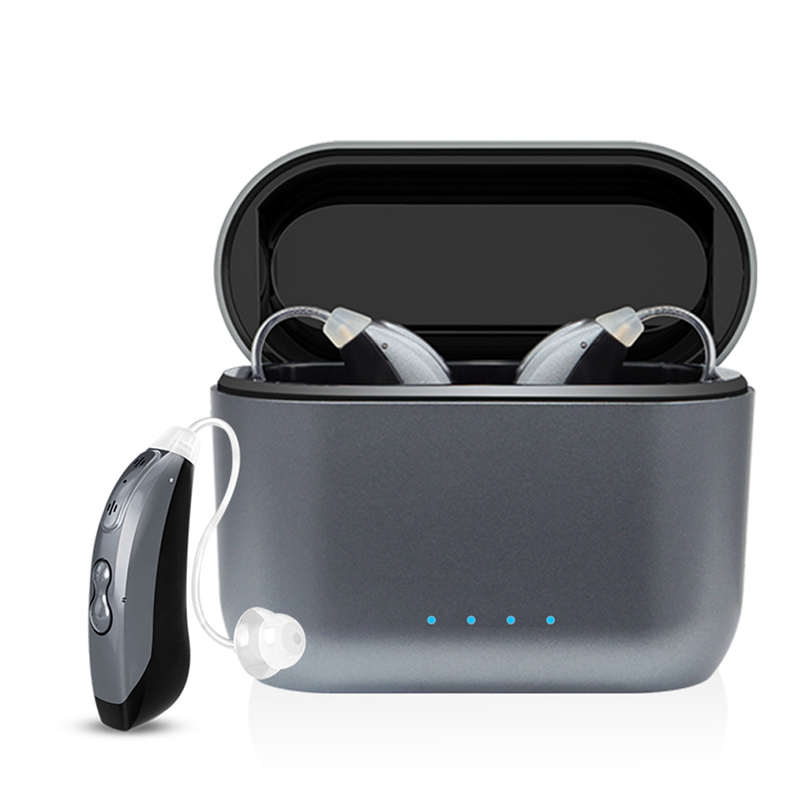
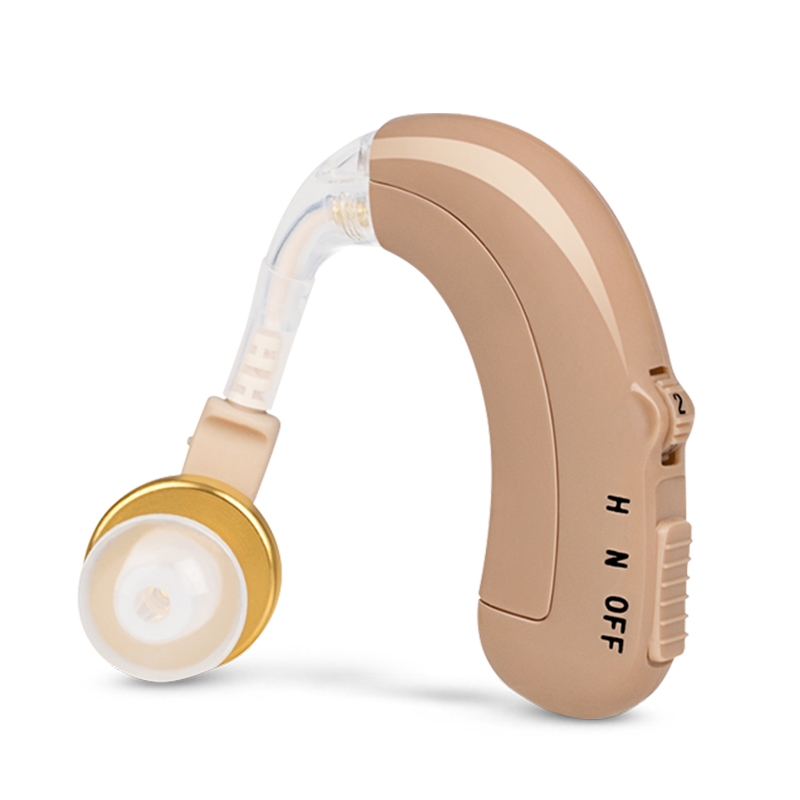
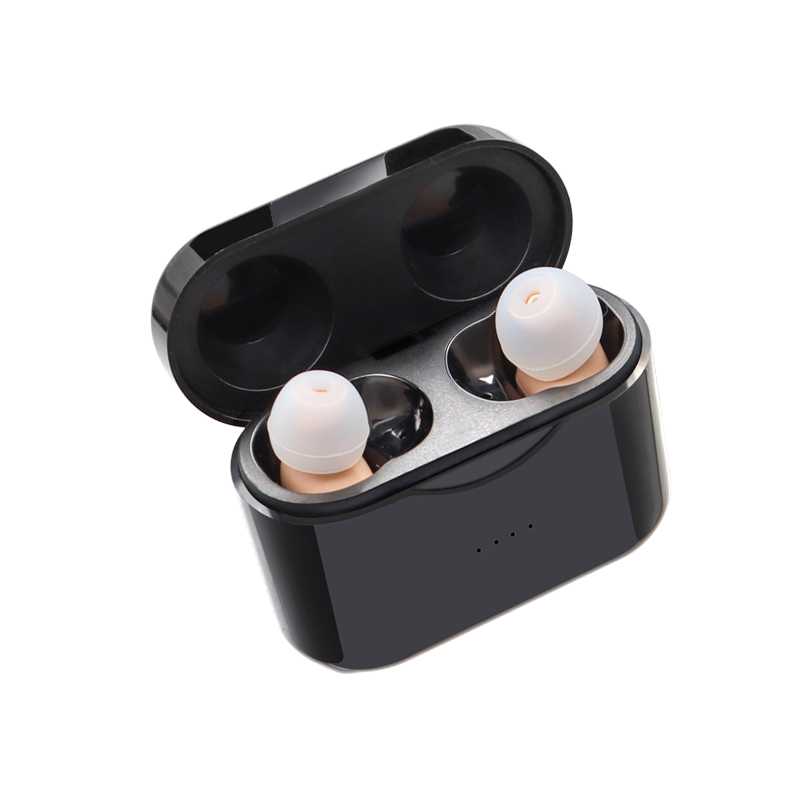
In most cases, the treatment for Auditory Processing Disorder includes hearing devices and in-person auditory training with a speech-language pathologist or an accredited computer-based therapy program.
Everyone's needs are different! Your hearing care provider can appropriately fit hearing aids and guide you on additional listening strategies for ease in environments that you personally struggle in. Your hearing care professional can also suggest additional resources.
References
- Mayo Clinic Staff. (2023, September 30). Auditory Processing Disorder (APD). mayoclinic.org. https://www.mayoclinic.org/diseases-conditions/auditory-processing-disorder/diagnosis-treatment/drc-20555277
- Cleveland Clinic Staff. (2023, February 21). What is Hearing? (Auditory Processing).clevelandclinic.org. https://my.clevelandclinic.org/health/articles/17054-hearingRawool, V. W. (2016). Auditory Processing Deficits: Assessment and Intervention. Thieme.
 Dr. Eleni Santarelli
Audiologist Lic #A.02315
Eleni Santarelli grew up in Cleveland, Ohio, and earned her bachelor’s degree in Speech-Language Pathology and Audiology from the University of Akron in 2017. She went on to pursue her Doctorate in Clinical Audiology through the Northeast Ohio Au.D. Consortium, finishing her fourth-year externship at the Columbus VA and receiving her degree in May 2021. She also holds a certificate in Animal Audiology from the University of Cincinnati.
Licensed in Ohio and a member of both the American Academy of Audiology and the Ohio Academy of Audiology, Dr. Santarelli is passionate about helping people hear better—believing it’s essential for meaningful social connection and personal safety. Her love for animals and sports shines through her volunteer work at the Cleveland Zoo, coaching basketball, and cheering on Cleveland’s pro teams.
The above is the interpretation of Understanding APD and the Role of Hearing Assistance Technology provided by Chinese hearing aid supplier Shenrui Medical. Link https://www.srmcm.com/Blog/Understanding_APD_and_the_Role_of_Hearing_Assistance_Technology.html of this article is welcome to share and forward. For more hearing aid related information, please visit Blog or take a look at our Hearing aids products