The specialized structures and fluids of the inner ear enable the senses of hearing and balance. If, as in the case of endolymphatic hydrops, fluid levels of the inner ear fluctuate, this can harm hearing, balance and quality of life. However, there are lifestyle modifications and treatment options available that can provide effective relief.
Fluids in the inner ear help send signals to the brain for interpreting sound and enabling you to maintain your balance. One type of fluid, known as endolymph, is produced in the cochlea, a hollow, snail-shaped structure in the inner ear. When a hollow organ or space in the body fills with fluid and becomes distended or swollen, it is referred to as hydrops. Ear hydrops can occur when the amount of endolymphatic fluid fluctuates and accumulates inside the cochlea. This condition is known as endolymphatic hydrops, or cochlear hydrops.
Typically, endolymph stays at a constant level with a consistent concentration of electrolytes such as sodium, potassium, and chloride. What causes endolymphatic hydrops is a disruption in the balance of fluid and electrolytes, resulting in an increase in the amount of endolymph.
The two types of endolymphatic hydrops are primary and secondary. Primary endolymphatic hydrops have no apparent cause and are often part of the diagnosis of a condition known as Meniere’s disease. Secondary endolymphatic hydrops can happen as a result of an ear injury, allergies or a chronic illness that affects the entire body, such as an autoimmune disorder.
Meniere’s disease or primary endolymphatic hydrops symptoms tends to fluctuate and go in episodes. These can include:
- a feeling of fullness or pressure inside the ear,
- hearing loss,
- a feeling of dizziness and imbalance, known as vertigo, that may be accompanied by nausea and vomiting.
People with endolymphatic hydrops will also often experience tinnitus, which is the perception of a rushing or ringing sound in the affected ear. The sensation of fullness in the ear, hearing loss and tinnitus can become more intense before or during a dizziness episode.
For those with secondary endolymphatic hydrops, symptoms tend to be more consistent, rather than coming and going in sudden episodes. Overall, symptoms tend to be less extreme and have a reduced effect on hearing and balance.
Not everyone with primary endolymphatic hydrops is diagnosed with Meniere’s disease, but those who are typically ages 40-60, and 7-10% have someone in their family who has had the condition. A person’s secondary endolymphatic hydrops risk increases if they have undergone ear surgery, have experienced trauma to the ear or have an autoimmune disorder or diabetes.
To make an endolymphatic hydrops diagnosis, a healthcare provider trained in hearing care gathers detailed information about the symptoms. They will perform an ear exam and ask about when the symptoms began, how long they have been occurring and how often you’ve experienced them. Some tools used to diagnose endolymphatic hydrops include:
- Audiogram, or hearing test: Sounds are played through headphones while hearing ability and sensitivity are measured.
- Videonystagmography test: Inner ear function is assessed by special goggles that record eye movement in response to various interventions. These may include head or body position changes or small bursts of warm or cold water or air directed into the ear.
- Magnetic resonance imaging (MRI) with contrast: This medical imaging, done using a special dye, helps healthcare providers see structures inside the body. An MRI can rule out other causes of hearing loss or dizziness symptoms.
Lifestyle modifications can help to reduce the symptoms of endolymphatic hydrops.
- Maintaining hydration: Staying hydrated by drinking six to eight glasses of water per day helps ensure all systems can function properly. People with endolymphatic hydrops may also need to compensate for additional fluid loss caused by sweating during a workout or being outdoors in hot weather by drinking a bit more water.
- Dietary changes: For some, a hydrops diet regimen alone can provide significant relief. This includes eating balanced and moderate meals and snacks around the same time every day. Minimizing sodium and sugar intake can help as well. Because these sugar and salt need plenty of fluid to be digested, eating foods with lower levels of the two can help stabilize fluid and electrolyte levels, reducing endolymph fluctuations.
- Reducing substances: Lowering caffeine and alcohol consumption can also help with endolymphatic hydrops management.
- Stress management: Because emotional stress, illness and fatigue can all precipitate an episode, proper stress management is essential. Since the symptoms of endolymphatic hydrops can cause an increased amount of stress, talk therapy or counseling can help manage stress and the effects of this disease.
While there is no cure for endolymphatic hydrops, symptoms can be alleviated with the above lifestyle changes, as well as medical endolymphatic hydrops treatment, vestibular rehabilitation or, in severe cases, surgery. Medications can help relieve nausea, vomiting and dizziness, and prescription diuretics, in combination with adequate hydration, can be used to reduce large fluctuations in body fluids.
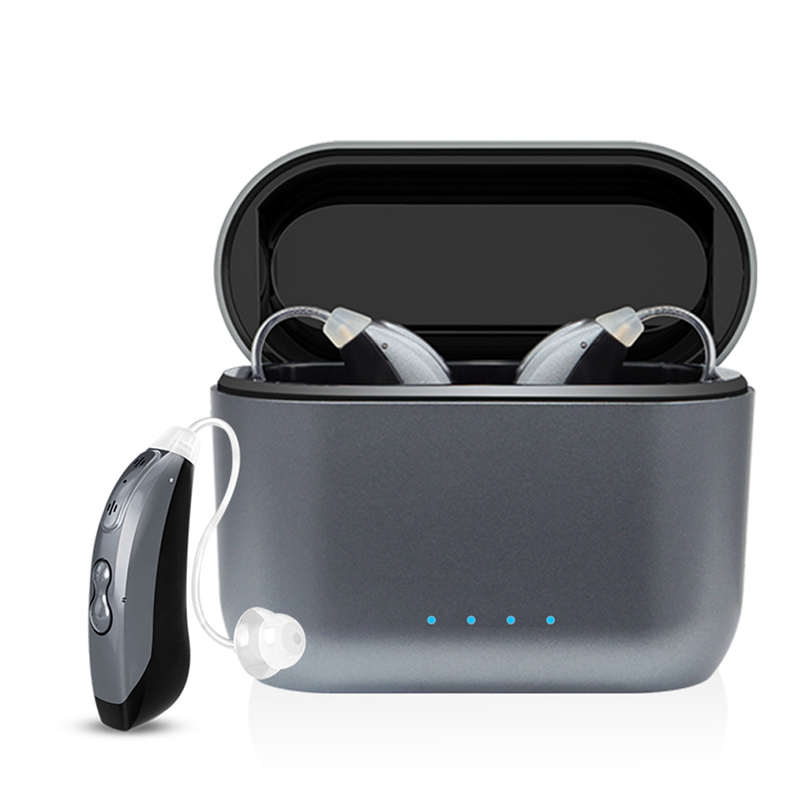
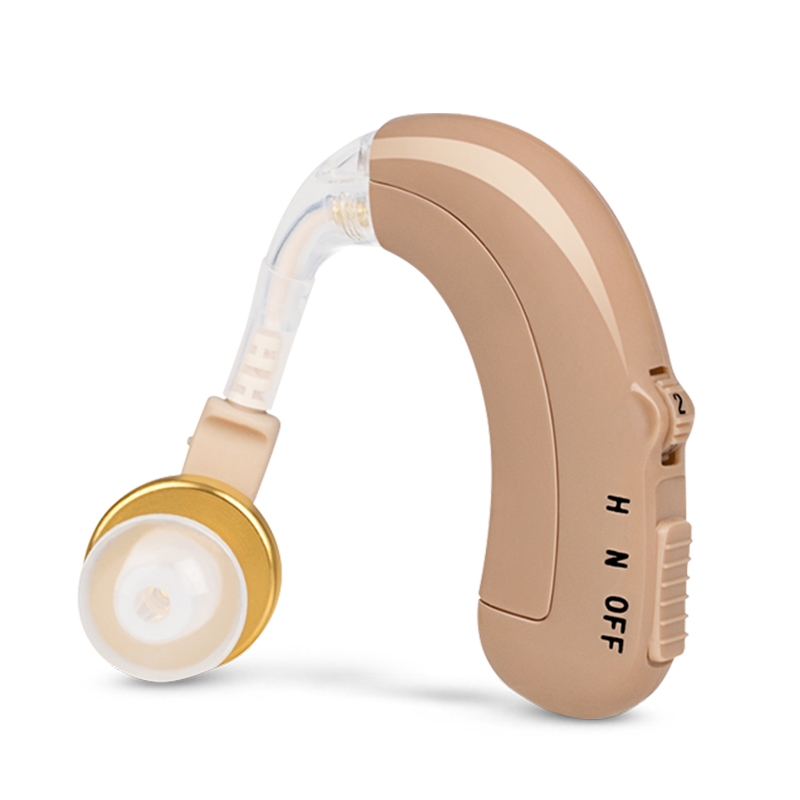
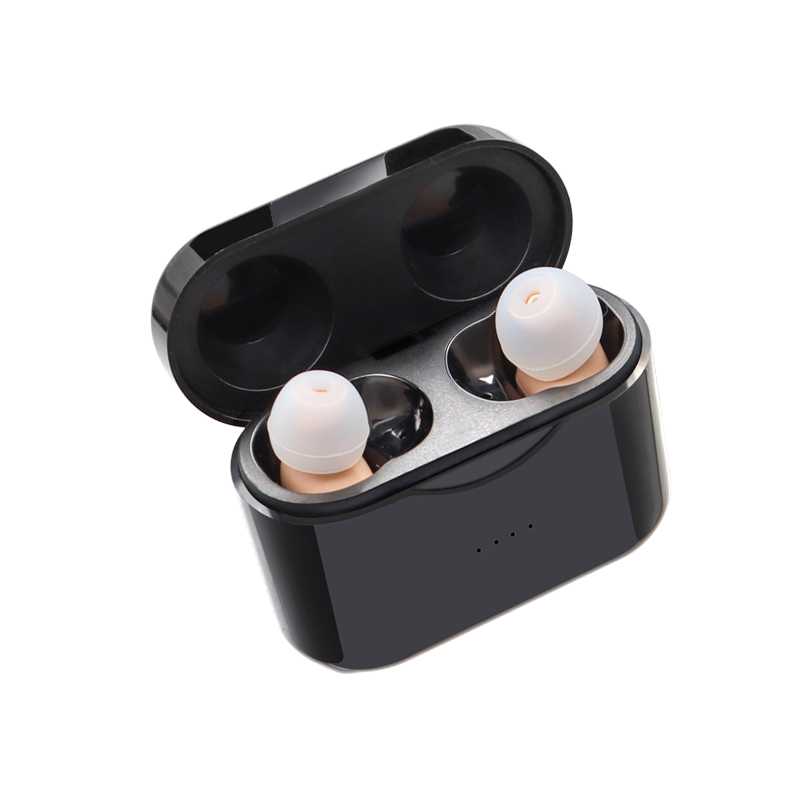
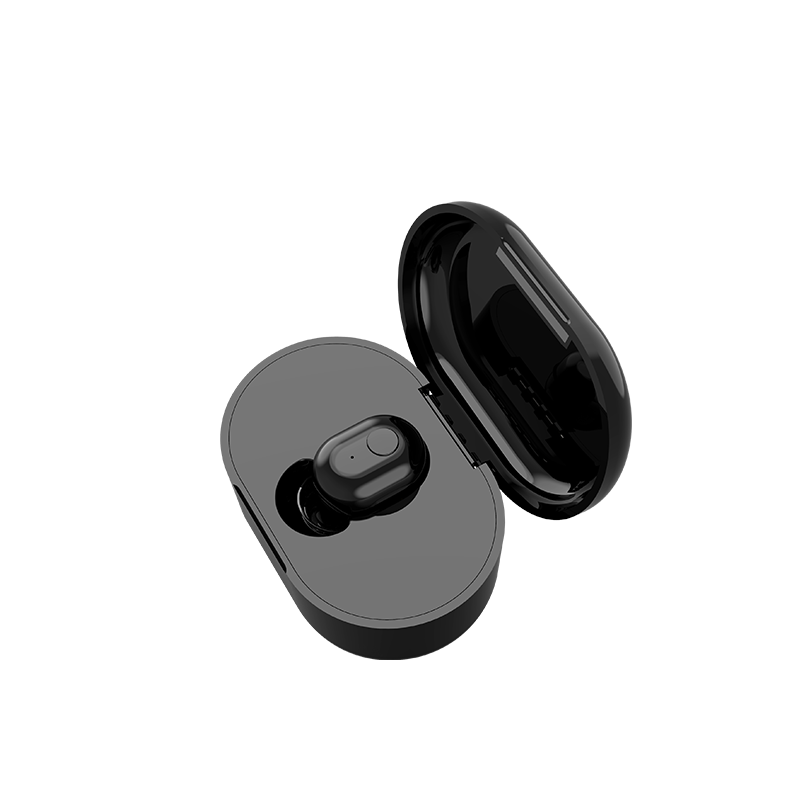
A steroid injection behind the eardrum has also been found to be an effective treatment for some. Vestibular rehabilitation, a kind of physical therapy, can help retrain the brain to cope with certain movements and provide relief from symptoms of dizziness and imbalance. Surgery may be an option if other treatments do not provide sufficient relief. Getting fitted for hearing aids can improve the hearing loss and tinnitus associated with endolymphatic hydrops.
The above is the interpretation of Understanding Endolymphatic Hydrops and Its Link to Meniere's provided by Chinese hearing aid supplier Shenrui Medical. Link https://www.srmcm.com/Blog/Understanding_Endolymphatic_Hydrops_and_Its_Link_to_Meniere_s.html of this article is welcome to share and forward. For more hearing aid related information, please visit Blog or take a look at our Hearing aids products