As a child, did you ever take a tumble on the playground and come away with a few scrapes? It may have hurt in the moment, but most of those little nicks and cuts likely healed themselves in time, but some might have left a permanent mark in the form of scars on your arms or legs.
Just as you can scar your knee, you can also develop scars on your eardrums through a condition called tympanosclerosis. Typically occurring after injury or surgery, this scarring may result in hearing loss. While it may sound scary to develop unseen scars in your ears, there are treatment options to address the scarring and related hearing loss.
Tympanosclerosis refers to scarring on the eardrum, also known as the tympanic membrane. Located in the outer ear, this thin, cone-shaped layer of tissue performs two important roles for the ears: protecting the sensitive structures of the middle and inner ear from dirt and debris, and assisting in processing sound waves to hear. When the tympanic membrane becomes scarred—whether from injury or surgery—calcium deposits can build up, causing the eardrum to harden and become inflexible. This scarring appears as bright, chalk-white marks on the eardrum.
Tympanosclerosis may also be referred to as myringosclerosis. While both conditions are characterized by calcium deposits on the eardrum, people living with tympanosclerosis have calcium deposits on their eardrum.
Tympanosclerosis symptoms can vary greatly from person to person and some may not exhibit any symptoms at all. General symptoms and signs of the condition include:
- Earaches and ear pain, similar to the feeling of an ear infection;
- Hearing loss or muffled hearing;
- Swelling or inflammation in the ear.
Chalky white buildup on the eardrum is another classic symptom of tympanosclerosis but is only detectable by healthcare professionals who can look inside your ears with special tools. If you experience ear pain or some degree of hearing loss, schedule an appointment with an otolaryngologist (also known as an ear, nose and throat doctor) to examine your ears directly and determine if tympanosclerosis is affecting your hearing.
Because of the condition’s relation to the eardrum, hearing loss and tympanosclerosis often go hand in hand. A healthy, unscarred eardrum is composed of three layers of translucent, flexible connective tissues. The flexibility of this membrane is crucial to the hearing process. When sound waves reach the eardrum, the waves cause the membrane to vibrate. These vibrations travel to three tiny bones in the middle ear (known as ossicles), that magnify the vibrations and essentially tap on the cochlea. That tapping spurs the creation of electrical impulses that are carried via the auditory nerve to the brain and processed as sound.
When tympanosclerosis causes the eardrum to harden and lose this flexibility, the eardrum is unable to fully vibrate, preventing sound from properly traveling further into the ear and to the brain. The degree of hearing loss a person with tympanosclerosis might experience depends on how much scarring is on the eardrum, but it can range from mild to severe. Because of the damage it can cause to the outer and middle ear, tympanosclerosis hearing loss can be classified as conductive hearing loss.
However, despite the risk of hearing loss associated with tympanosclerosis, several treatment options can repair the scar tissue in the eardrum and in some cases, restore hearing.
While exact tympanosclerosis causes are still unknown, many healthcare professionals believe it’s related to chronic autoimmune conditions and abnormal healing in the ear. Health conditions that may contribute to tympanosclerosis include:
- Ear infections: Ear infections, including acute and chronic otitis media, and otitis media with effusion, cause mucus to build up behind the eardrum and become infected. This inflammation, especially long-term, can lead to the development of tympanosclerosis.
- Trauma to the ear: Injury to the ear, such as irritation, an impact to the ear or inserting objects (including cotton swabs, bobby pins or fingers) can cause the eardrum to rupture. Tympanosclerosis can develop as the eardrum heals.
- Ear surgery: The eardrum can rupture during surgery or invasive procedures in the ear. As with other forms of ear trauma, tympanosclerosis can occur during the eardrum’s healing process.
- Cholesteatomas: A cholesteatoma is an abnormal skin growth that can develop in the middle ear. Usually beginning as a collection of skin cells and developing into a cyst-like pocket, the growth can harden and create calcium deposits on the eardrum.
To receive a tympanosclerosis diagnosis, your primary care provider will likely refer you to an otolaryngologist to specifically review your symptoms. They will take your medical history and perform several physical and audiological exams, which can include:
- Ear exam: Using an otoscope—a tool that uses light and magnification to view inside the ear—your doctor will look at the eardrum for any signs of scarring. Depending on your symptoms, your doctor may also use an endoscope—a flexible tube with a light and tiny camera—to look even further into the ear.
- Audiometric exam: If your symptoms include hearing loss, your doctor will likely perform an audiometric exam to test your hearing levels. Using a pair of headphones or insert phones, you will listen to sounds at different frequencies and indicate which you can hear; your hearing care professional will analyze the results to determine your hearing range.
- Weber exams: To determine the degree to which tympanosclerosis is affecting hearing loss in each ear, your hearing care professional may perform a Weber exam to identify unilateral hearing loss. The test involves striking a tuning fork and placing it on the top of a person’s head to determine in which ear the sound is louder.
- CT scans: If standard ear exams don’t show signs of the condition, tympanosclerosis may appear on CT scans as web-like forms of calcified masses in the middle ear.
If your tympanosclerosis symptoms include ear pain caused by otitis media, you may find relief through ear infection symptom treatments. This can include over-the-counter pain medications, warm compresses on the ear or drying ear drops. Never use cotton swabs to clean ears out—they will only push fluid or debris deeper into your ears and make infections worse. In most cases, ear infections clear on their own and your ear pain will go away with time.
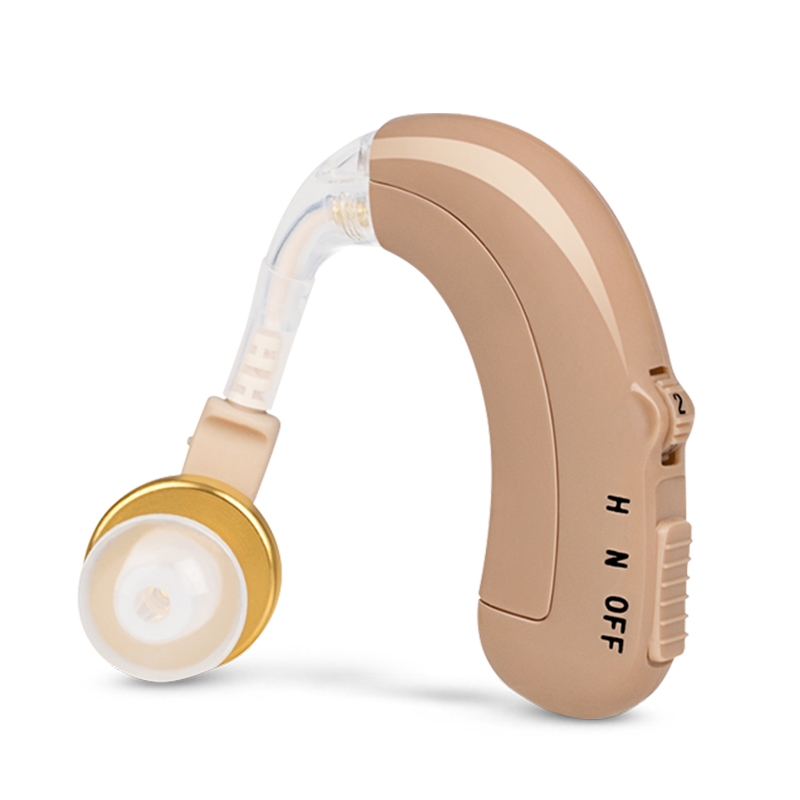
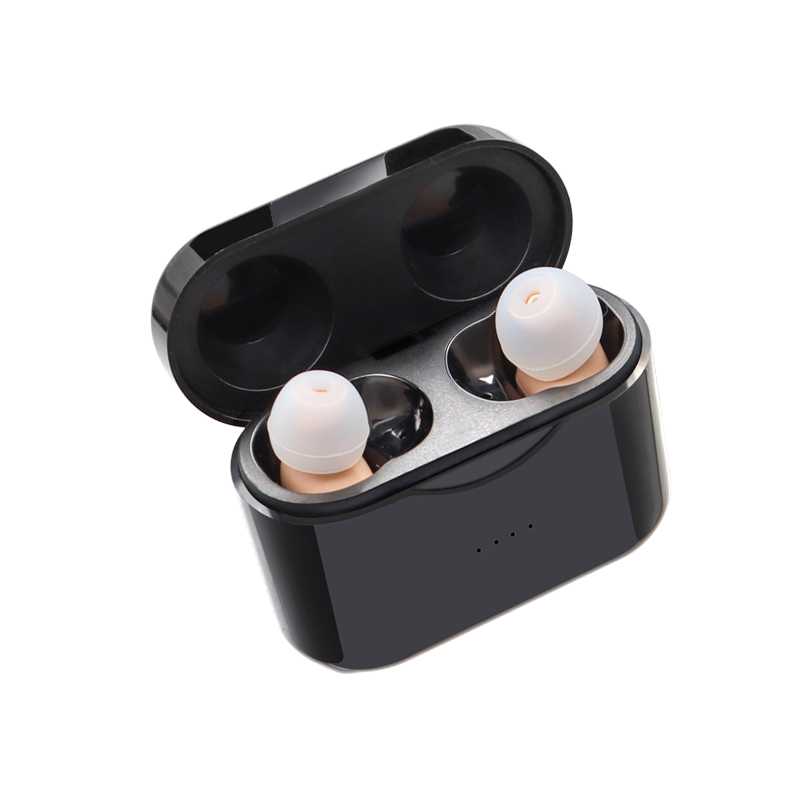
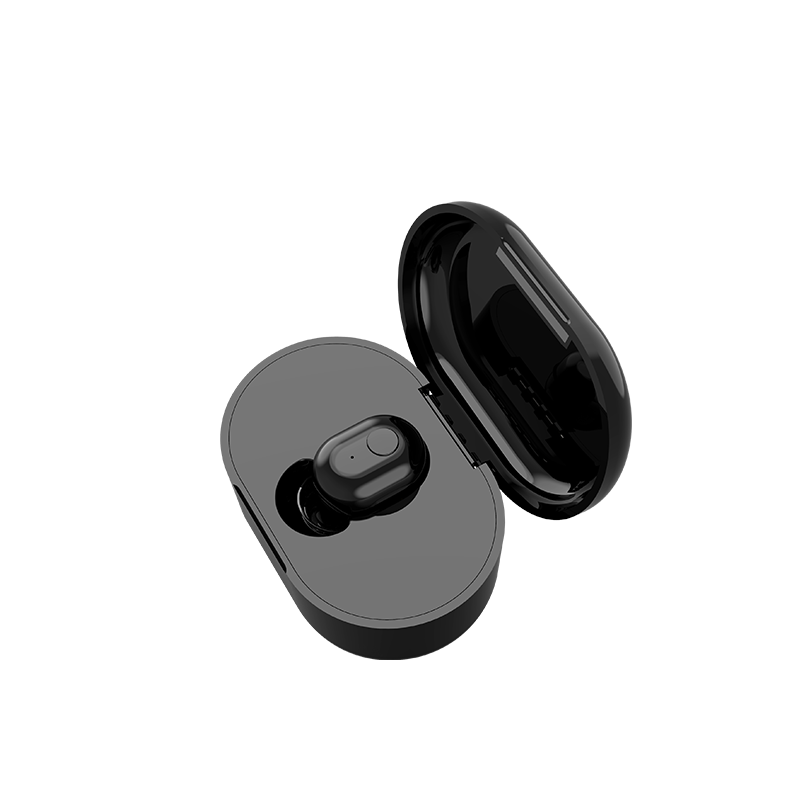
However, if your symptoms include hearing loss, only measures like surgery or hearing aids can provide true tympanosclerosis relief. These symptoms point to a more severe case of the condition, which must be addressed with the help of an ENT doctor.
If you notice that regular noises sound muffled, quiet sounds are more difficult to hear or your ability to hear is steadily decreasing, it’s time to discuss your symptoms with a hearing specialist. They will be able to understand your symptoms, examine your ears and suggest the appropriate next steps. Schedule an appointment with an HCP at your local Miracle-Ear to discuss your hearing health.
The above is the interpretation of Understanding Tympanosclerosis: Causes and Impact on Hearing provided by Chinese hearing aid supplier Shenrui Medical. Link https://www.srmcm.com/Blog/Understanding_Tympanosclerosis_Causes_and_Impact_on_Hearing.html of this article is welcome to share and forward. For more hearing aid related information, please visit Blog or take a look at our Hearing aids products