Autoimmune inner ear disease (AIED) is a rare condition distinguished by the immune system’s erroneous attack on the inner ear. This response can result in symptoms such as hearing loss, tinnitus, and dizziness. AIED affects less than one percent of the millions of Americans experiencing hearing loss, with a slightly higher prevalence found in middle-aged women.
Common Symptoms of Autoimmune Inner Ear Disease
People diagnosed with Autoimmune Inner Ear Disease (AIED) typically experience hearing loss in one ear and progress to the other. This transition may occur over several weeks or extend over several months.
• Hearing loss in one or both ears
• Feelings of fullness in the ear
• Vertigo
• Dizziness
• Balance issues
• Tinnitus
What Can Cause Autoimmune Inner Ear Disease?
The immune cells in the human body continuously monitor for invading pathogens. However, these cells may mistakenly identify the cells within the inner ear as viral or bacterial invaders, leading to an autoimmune reaction wherein they attack healthy ear cells. This immune response can also have detrimental effects on other organs. Notably, approximately 30% of individuals diagnosed with Autoimmune Inner Ear Disease (AIED) concurrently experience other autoimmune disorders that can affect multiple systems within the body. Such disorders may include lupus, rheumatoid arthritis, ulcerative colitis, scleroderma, or Sjögren’s syndrome (chronic dry eyes).
Diagnosing AIED
Due to the commonality of its symptoms, Autoimmune Inner Ear Disease can pose challenges in obtaining an accurate diagnosis. AIED is frequently misdiagnosed as an ear infection until hearing loss has progressed to involve the second ear. To diagnose AIED, a physician will inquire about the patient’s health and medical history, conduct a physical examination, and perform a hearing assessment. Additionally, they will evaluate the patient’s balance, which can indicate communication effectiveness between the inner ear and the brain. Blood tests may also be part of the diagnostic process. There is currently no definitive test available to identify AIED; however, diagnostic results may suggest the presence of an autoimmune response. In such instances, seeking the expertise of an otolaryngologist (ear specialist) with specialized training in autoimmune disorders is advisable. Your physician may initiate treatment before achieving a definitive diagnosis. This proactive approach helps to prevent irreversible damage to hearing. It is not uncommon for people to receive a diagnosis of AIED only after initiating treatment, at which point they may show an improvement in their symptoms.
Treatment Options For AIED
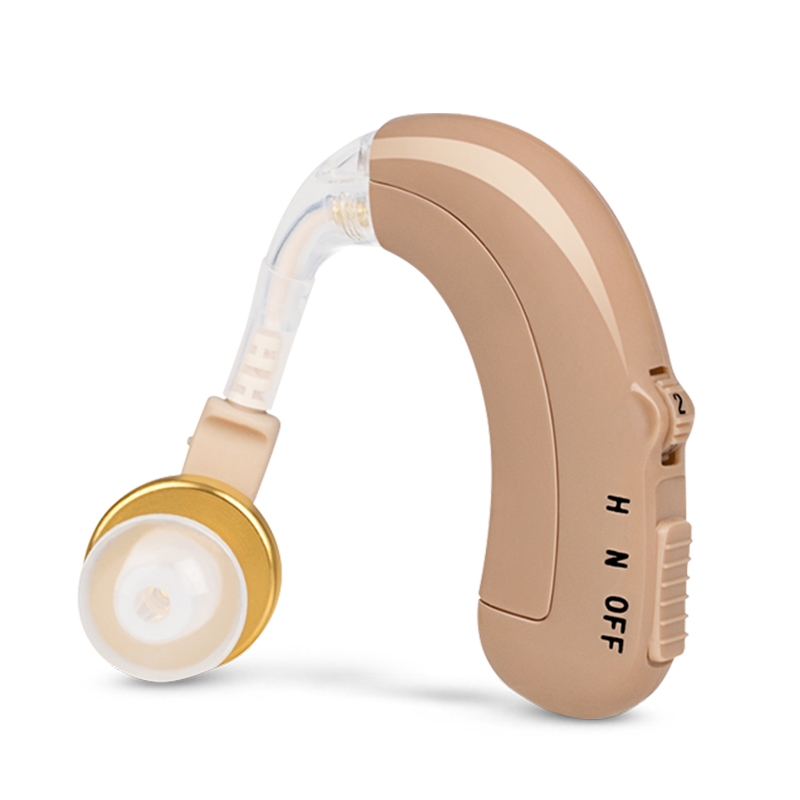
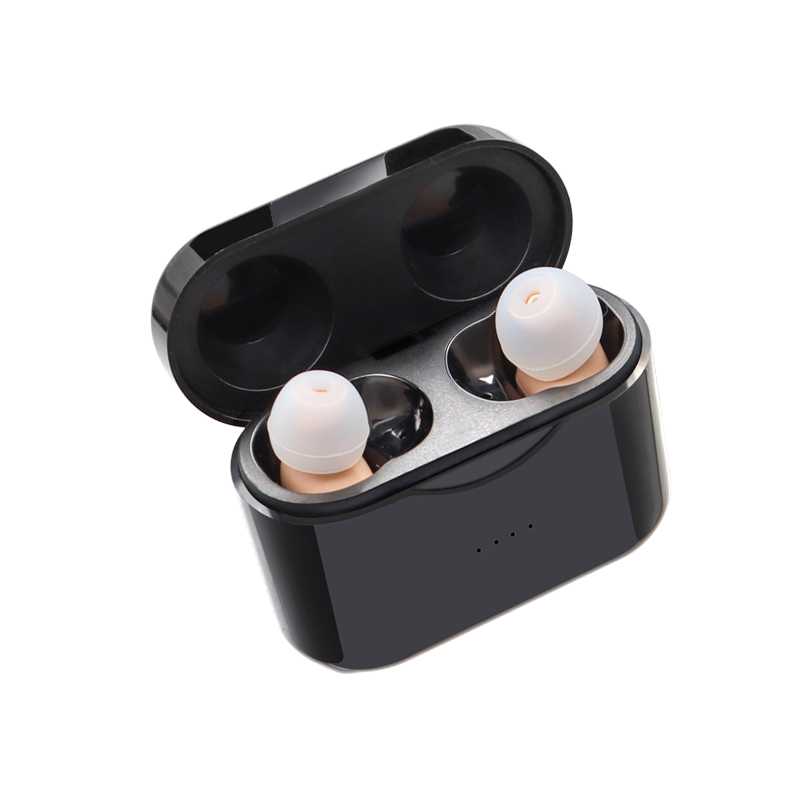
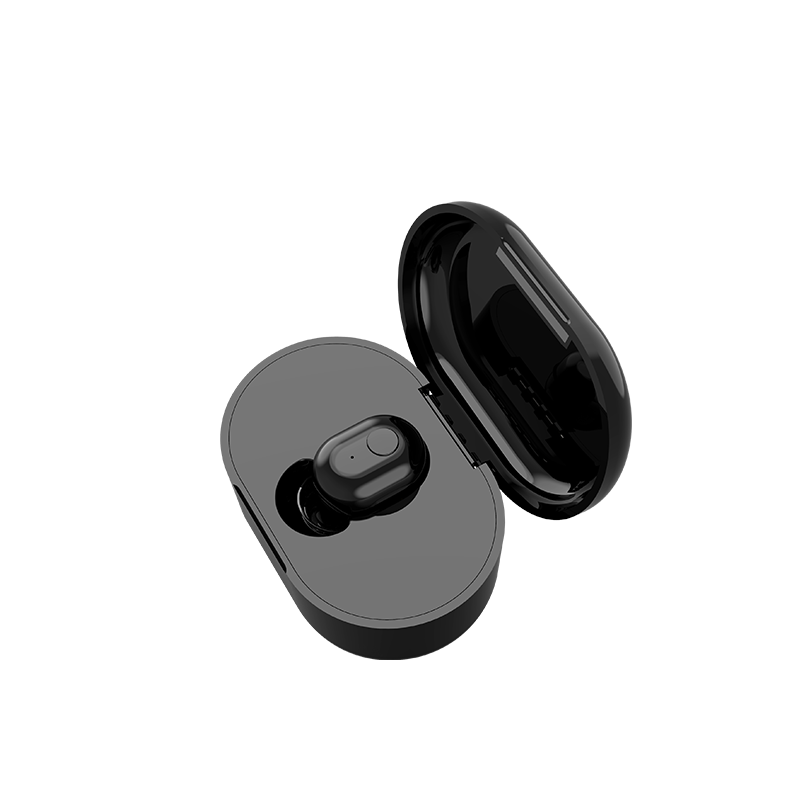
Your physician is likely to prescribe a medication aimed at alleviating inflammation. High doses of corticosteroids have shown effectiveness for autoimmune inner ear disease (AIED). Unfortunately, these medications are associated with numerous side effects. Consequently, their use should be limited to a few weeks. Following the use of steroids, it is common for a physician to prescribe additional medication aimed at moderating the immune response. Medications such as cyclophosphamide (Cytoxan), azathioprine (Imuran), and methotrexate frequently are utilized for this purpose. Hearing aids can assist in managing hearing loss; however, a physician may recommend a cochlear implant for individuals with more severe cases. This device stimulates the auditory nerves in the inner ear, which transmit auditory signals. One cochlear implant component goes behind the ear, with the other implanted beneath the skin.
As medical science expands the understanding of Autoimmune Inner Ear Disease, it may bring about a more extensive array of treatment options. These may encompass pharmacological interventions that demonstrate enhanced efficacy with reduced adverse effects. The application of gene therapy could facilitate the restoration of functionality in damaged auditory cells.
The above is the interpretation of Understanding and Treating AIED provided by Chinese hearing aid supplier Shenrui Medical. Link https://www.srmcm.com/Blog/Understanding_and_Treating_AIED.html of this article is welcome to share and forward. For more hearing aid related information, please visit Blog or take a look at our Hearing aids products