Perichondritis occurs when the connective tissue of the ear that covers the pinna, also called the cartilaginous auricle, becomes infected. While not life-threatening, perichondritis can be devastating; if left untreated, conditions can worsen, resulting in cauliflower ear or even the loss of the soft tissues around the ear.
Perichondritis: Causes and Treatments
Known Causes
There are a number of known causes of perichondritis that have been identified. Most involve damage to the cartilage of the ear that ends in infection. The most common injuries include, or are not limited to:
•Severe blunt impacts (the same injury sustained in a boxing match)
•Burns
•Ear piercing (especially cartilage piercings)
•Infected scratches in or around the ear
Patients that are already sick or have compromised immune systems are especially susceptible to this kind of ear infection. While damage to the cartilage is associated with most cases, perichondritis can occur without injury to this area. The most common microorganism found in perichondritis infections is Pseudomonas Aeruginosa.
Symptoms
Perichondritis typically affects the upper portion of the ear above the earlobe and is generally associated with an injury to the ear. Common symptoms may include:
•Redness and swelling around the area of injury
•Pain and tenderness around the upper part of the ear
•Fever
•Once the infection begins to affect the tissues of the ear, symptoms start to become much worse.
Advanced symptoms include:
•Extreme pain from the upper part of the ear
•Abscesses
•Fluid drainage that is yellow and bad-smelling
Diagnosis
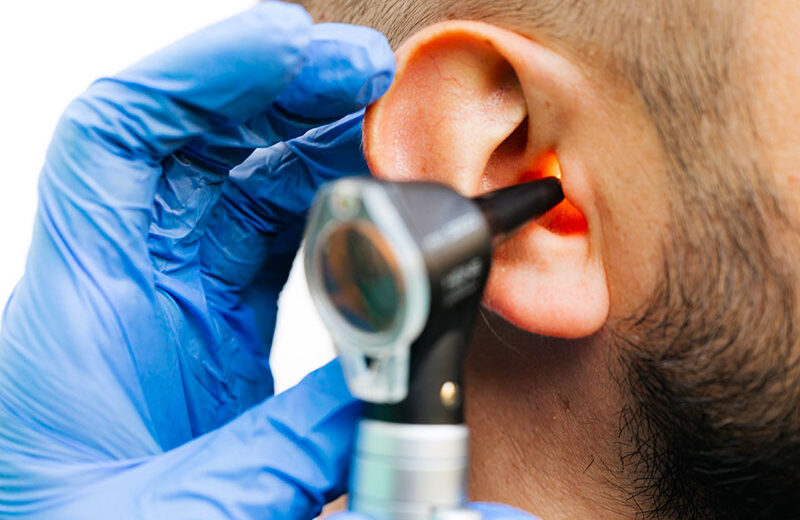
The diagnosis of perichondritis has to be done by a specially trained doctor. Unfortunately, perichondritis is often misdiagnosed and mistreated, leading to further complications. Even though the effect on the cartilage of the ear can be dramatic in the end, the beginning of the infection may show a lack of or misleading symptoms. To date, the best way to diagnose perichondritis is through a culture from the infected site.
Treatment
In most cases, if caught early, perichondritis can be treated with intravenous antibiotics. Doctors usually avoid oral antibiotic treatments as the Pseudomonas organism is particularly nasty and can beat antibiotics taken this way. Once the infection affects the cartilage, surgery becomes more necessary. Due to the devastating outcomes if misdiagnosed, if abscess or necrosis develops or is suspected, specialist evaluation and hospitalization may be required.
Is it vital that if you are experiencing any of the symptoms listed above, you make an appointment to see a medical professional at once.
The above is the interpretation of Understanding and Treating Perichondritis of the Ear provided by Chinese hearing aid supplier Shenrui Medical. Link https://www.srmcm.com/Blog/Understanding_and_Treating_Perichondritis_of_the_Ear.html of this article is welcome to share and forward. For more hearing aid related information, please visit Blog or take a look at our Hearing aids products