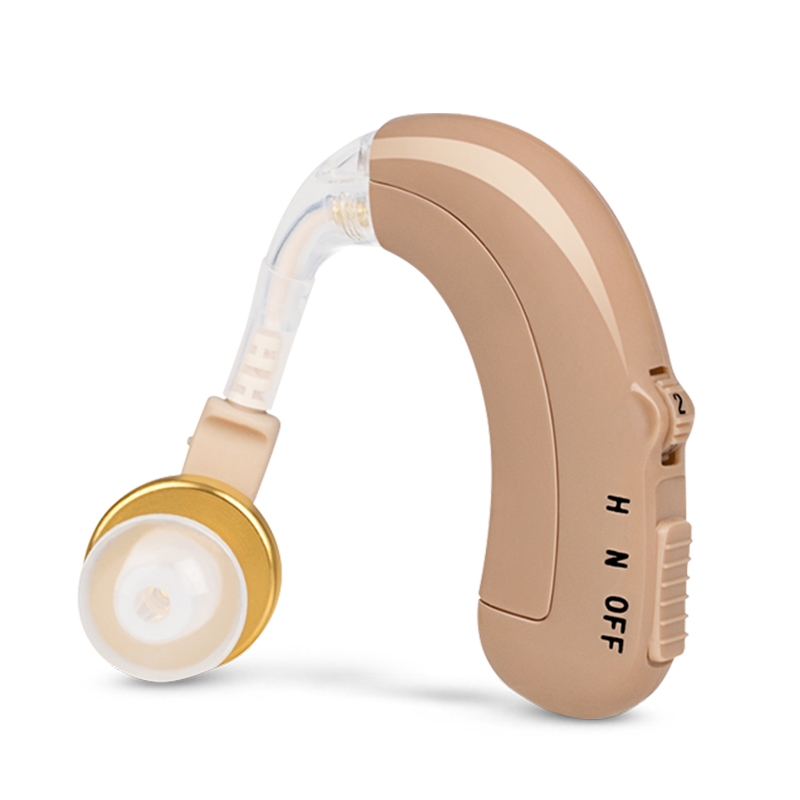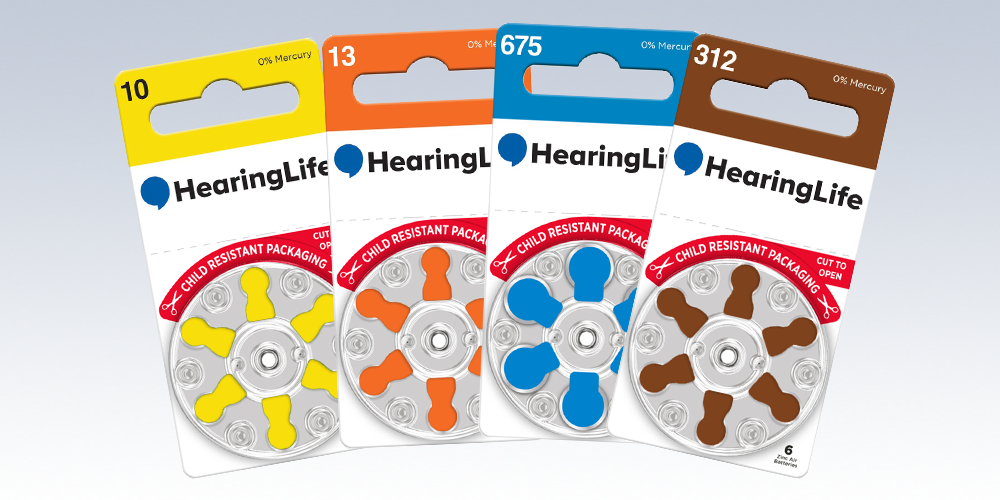
If you use hearing aids with traditional, non-rechargeable batteries, you may have noticed a recent change in the packaging of those batteries. After years or even decades of using batteries in the old packaging, this may come as a shock! Turns out, this new packaging is the result of Reese’s Law, which requires childproof packaging on all zinc-air button cell and coin batteries.
New hearing aid packaging protects children and pets
Reese’s Law was passed in 2022 and is named after Reese Hamsmith, who died at 18 months old from swallowing a button cell battery. This tragic death prompted advocacy groups to work toward stronger safety standards for battery packaging and battery compartments. The law applies to batteries imported after March 8, 2024, so that’s why the new packaging is being seen now.
The new packaging may be challenging to open, especially if you have limited mobility in your hands. Our hearing care experts recommend using scissors to open the packages. You can also ask a friend or family member to help you.
Safety tips for traditional hearing aid batteries
- Always keep the batteries somewhere safe and out of reach of children and pets. Remember, this includes used batteries too.
- Be sure your family members know the dangers of button cell and coin batteries and help you to keep them away from children.
- We recommend changing your hearing aid batteries out of sight of young children, so they aren’t curious or tempted to play with the batteries or open your hearing aids.
- Don’t store batteries near places that you keep medicine or food. This will help prevent you from accidentally swallowing one. Adults have made this mistake too!
- If a battery is ingested, call the National Battery Ingestion Hotline at 800-498-8666 and head to the emergency room.
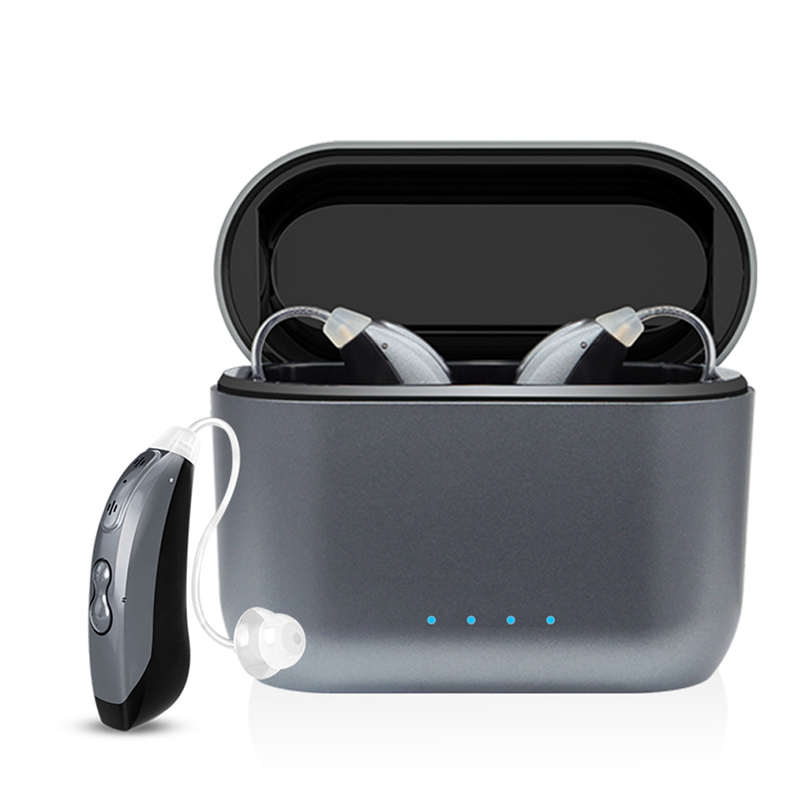
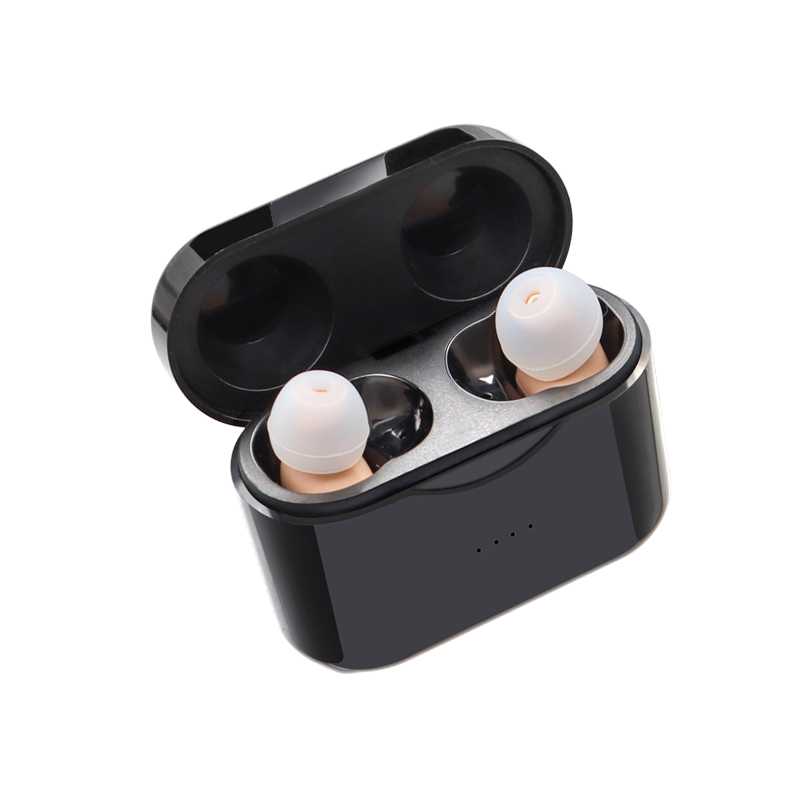
If you are the primary caretaker for young children or work around them, you may want to consider hearing aids with rechargeable batteries. This technology has advanced rapidly in the last several years and some hearing aids now last up to 20 hours on a single charge. If you’d like to discuss your options for upgrading, schedule a complimentary hearing assessment today.
The above is the interpretation of Understanding the Law for Safe Hearing Aid Battery Packaging provided by Chinese hearing aid supplier Shenrui Medical. Link https://www.srmcm.com/Blog/Understanding_the_Law_for_Safe_Hearing_Aid_Battery_Packaging.html of this article is welcome to share and forward. For more hearing aid related information, please visit Blog or take a look at our Hearing aids products