This article by Dr. Philip Salomon highlights the advancements in hearing aid technology, emphasizing improved battery life, moisture resistance, and aesthetic design. It addresses common concerns such as battery longevity (with options like rechargeable or disposable batteries), how to choose the right hearing aid based on hearing loss severity and lifestyle preferences (e.g., RIC vs. ITE models), and solutions for individuals who sweat excessively (such as moisture-resistant features, dehumidifiers, and sweat bands). The article also notes that FDA color-coding standards ensure consistent battery identification across brands. Overall, it provides practical advice for selecting and maintaining modern hearing aids while dispelling outdated misconceptions about their functionality and comfort.

Test My Hearing
Hearing Aid Batteries
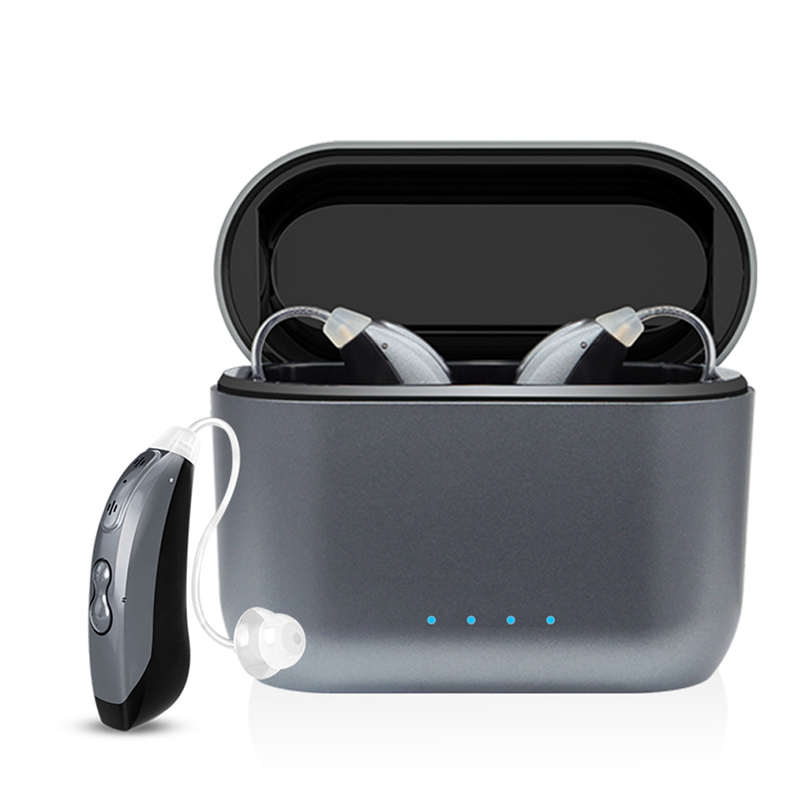
Q: How long do batteries last? How do I know that I’m buying the correct one? And where do I get them? - John A: There are a couple of options with hearing aid batteries. Rechargeable batteries seem to be very popular for the convenience of charge and go, and there are no batteries that need to be changed or purchased on a regular basis. Most disposable battery-operated hearing aids will last approximately 5-10 days and have either a size 312/brown or a size 10/yellow. Batteries do have a shelf life so make sure the expiration date on the back is at least a few YEARS out from the current date.The FDA requires that all batteries be color coded and numbered the same. So the brand you purchase does not matter as long as you remember either the color or the number. For example, the 312 battery is always color-coded brown while the size 10 battery is always color coded yellow. Even though different manufacturers will have different packaging the color coding and number are always the same.How to Choose a Hearing Aid
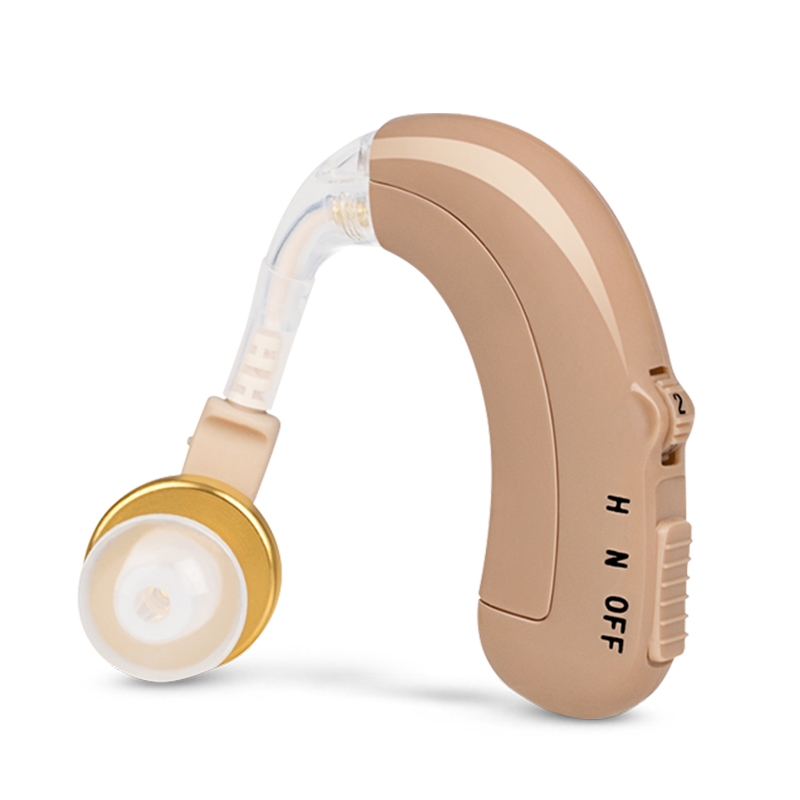
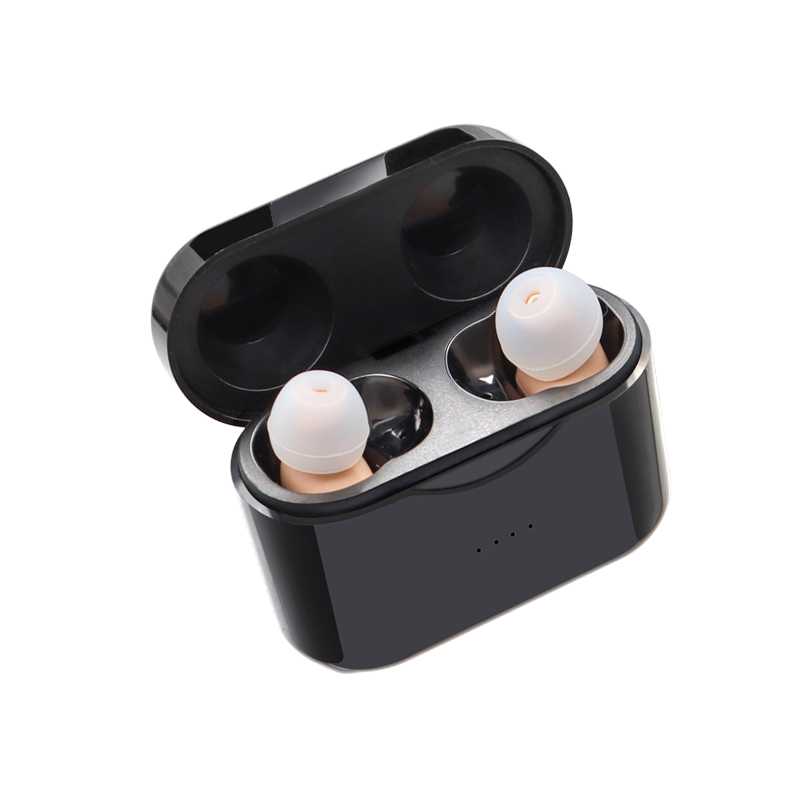
Q: There are so many different kinds of hearing aids. How do you pick one? - KristinA: First, you should determine what will work best for your hearing loss. The receiver-in-canal (RIC) hearing aids work for a wider range of hearing losses while the in-the-ear (ITE) hearing aids can only be fitted on those with more mild hearing loss levels.Second, you should think about your lifestyle and realistic expectations from the hearing aids. Do you live an active life, do you frequently dine at loud restaurants, do you have difficulties with hearing speech when multiple people are speaking at the same time? All of these questions as well as other lifestyle questions should be considered when determining which option works best for you. Lastly, you should determine what you prefer physically. Although RIC (like the Omni II hearing aid) hearing aids are more than 80% of the market some people still prefer a custom hearing aid. If there is no restriction on what you can wear due to the degree of hearing loss, then you can choose whichever you prefer based on appearance and comfort.Hearing Aids and Moisture
Q: I sweat a lot. I mean, a LOT. Can I still wear hearing aids? - John, Jacksonville, FL A: You absolutely can. Again, over the past few years the hearing aid technology has changed significantly. Moisture has always been public enemy #1 to hearing aids so that is definitely something that has evolved in hearing aids. Most hearing aids now have some sort of moisture control feature. Some will have a coating on the internal components, others on the outside components and some on both. For a small number of people this still isn’t enough. For those, we suggest a special dehumidifier to store your hearing aids in at night to help remove the moisture. Also, you can get hearing aid sweat bands which are exactly like what they sound like. . . it’s a small sweat band that covers your hearing aid to absorb moisture before it can get inside and do damage. If you’d like to submit a question to Dr. Philip Salomon please do so at contact@audicus.comby Philip Salomon
The above is the interpretation of What Are the Different Kinds of Hearing Aid Batteries? provided by Chinese hearing aid supplier Shenrui Medical. Link https://www.srmcm.com/Blog/What_Are_the_Different_Kinds_of_Hearing_Aid_Batteries.html of this article is welcome to share and forward. For more hearing aid related information, please visit Blog or take a look at our Hearing aids products