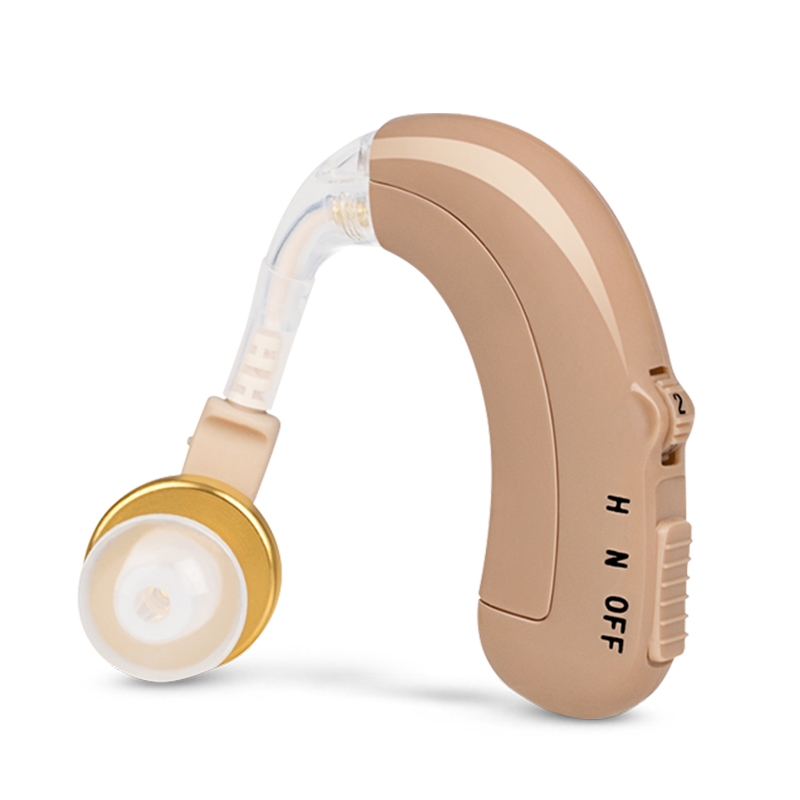
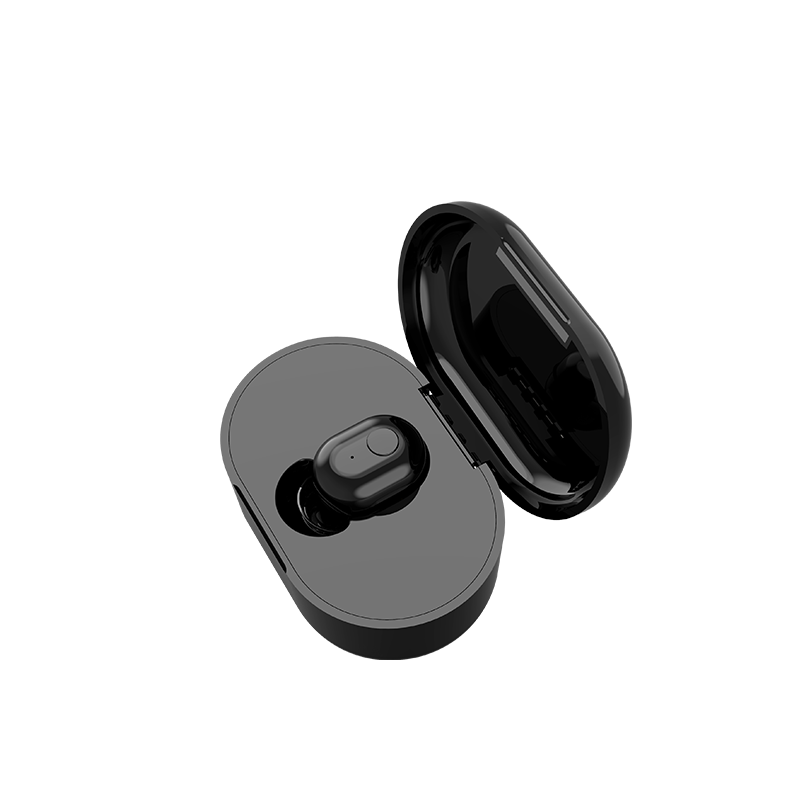
The "Over-the-Counter Hearing Aid Act of 2017," introduced by Senator Elizabeth Warren and signed into law by President Trump, revolutionized the hearing aid market by allowing consumers to purchase certain hearing aids without a prescription. The Food and Drug Administration (FDA) was tasked with establishing safety protocols, labeling requirements, and sale standards for these over-the-counter (OTC) devices. OTC hearing aids received a distinct name to differentiate them from traditional audiologist-prescribed models. This law aimed to increase competition, reduce prices, and make hearing aids more accessible, especially since they are often uninsured. However, it also raised concerns about self-diagnosis potentially leading to inadequate care or unnoticed hearing issues, particularly for those with severe hearing loss. Overall, the law sought to balance accessibility with caution, offering a new avenue for affordable hearing solutions while highlighting potential risks.

On March 21st, 2017, bill S.670 was introduced to the Senate with sponsorship from Senator Elizabeth Warren. After review from the Health, Education, Labor, and Pensions committee, President Trump signed the bill into law on August 18th, 2017. The “Over-the-Counter Hearing Act of 2017” sets a few plans into motion.
Food and Drug Administration Regulation
The major impact of this law is that hearing aids will be able to be sold directly to the consumer without a prescription from a doctor. Before over-the-counter (OTC) hearing aids could be sold, the Food and Drug Administration (FDA) was required to develop standards. FDA regulations must provide safety protocols, establish labeling requirements, and list necessities for sale without a prescription. State and local governments cannot override the FDA requirements for OTC hearing aids. Any current legislation in place must be updated to mirror FDA requirements.Purchasing OTC Hearing Aids
Sales have the potential to occur in person, online, or by mail while following these regulations. OTC hearing aids will receive a new name so as not to be confused with traditional audiologist-sanctioned hearing aids.Benefits of OTC Law
The hearing aid market had not had the OTC option in the past, resulting in a lack of competition and soaring prices. A few hearing aid manufacturers cornered the market. With this new option, companies have room for growth and innovation within their products. Competition can grow, and prices can diminish. Without the need for an audiogram, individuals can purchase hearing aids similarly to the way they would purchase reading glasses at the drug store. Additionally, given that hearing aids are rarely covered by insurance (including Medicare), an over-the-counter option might actually be the only purchasing option for some.Potential Downsides of OTC Law
Due to the nature of OTC hearing aids, prescriptions are not necessary. This means individuals will have to self-diagnose to determine whether or not they need a hearing aid. For some, this could mean skirting the audiologist, which eventually could cause more damage, or leave key characteristics or potential abnormalities of someone’s hearing loss unnoticed. Additionally, there may be fewer specifications for fit and programming, so OTC options may not be best for those with extreme hearing loss. Audicus and other online retailers combine the benefits of OTC hearing aids with audiologists’ professional guidance at an affordable price.By: Diana Michel (2017)
Updated by: Madeline Foster (2022) The above is the interpretation of What Does the OTC Hearing Aid Act Mean for You? provided by Chinese hearing aid supplier Shenrui Medical. Link https://www.srmcm.com/Blog/What_Does_the_OTC_Hearing_Aid_Act_Mean_for_You.html of this article is welcome to share and forward. For more hearing aid related information, please visit Blog or take a look at our Hearing aids products