Excessive noise in the workplace is a significant occupational hazard, affecting millions of workers in industries like construction and manufacturing. Prolonged exposure to loud noises can lead to serious health issues, including permanent hearing loss, tinnitus, hypertension, and communication difficulties that may result in workplace accidents. Recognizing the problem is the first step—common indicators include ringing ears after work or needing to shout to be heard nearby. OSHA recommends evaluating noise levels through professional assessments and implementing solutions such as engineering controls (e.g., soundproofing barriers or replacing loud equipment) and administrative controls (e.g., scheduling adjustments or creating quiet zones). Protecting hearing is crucial, and while devices like earmuffs can help, proper training in their use is essential. Advocating for safer noise levels benefits both employees and employers by fostering a healthier and more productive work environm
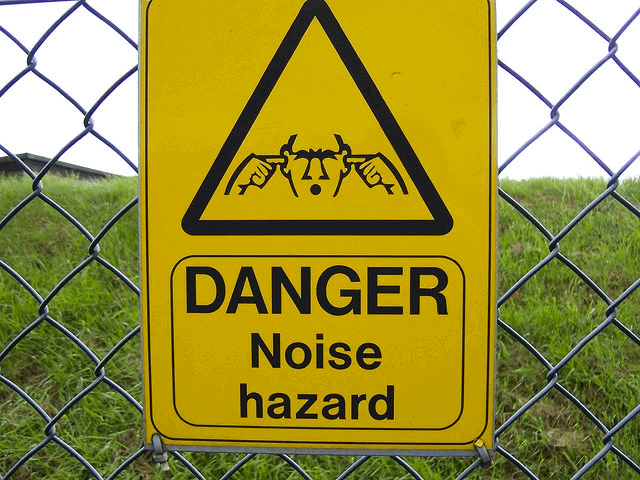
Loud noises are an occupational hazard for many workplaces—the Occupational Safety & Health Administration (OSHA) estimates that 30 million people in the US are exposed to hazardous noise for their jobs. For people who work in loud spaces like construction sites or factories, loud and invasive noise is a regular occurrence. Some common sources of excessive noise are power generators, manufacturing equipment, aircrafts, jackhammers, drills, emergency sirens, and motor vehicles. The Bureau of Labor Statistics estimates that nearly 125,000 workers who work around these and other excessive noise sources have suffered from permanent hearing loss in the last decade. Excessive Noise Leads to Hearing Loss and More
As science and technology progress, we know now more than ever that extended exposure to loud noises can lead to severe hearing loss and hearing problems like tinnitus. Excessive noise also causes non-hearing problems, such as hypertension, ulcers, and increased blood pressure. Too-loud noise also inhibits effective communication and can lead to workplace accidents.Addressing Excessive Noise: Recognizing the Problem
So, how can one address excessive noise in the workplace? The first step is to recognize and assess how excessive the noise is. Noise can cause problems as simple as restricting communication. For instance, perhaps a fellow employee plays loud music—this type of noise isn’t likely to cause physical damage to coworkers, but it certainly affects communication and productivity. For less serious noise, the best way to approach the situation would be to talk with the person/people causing the noise or to speak directly to a supervisor about limiting the amount of excessive noise employees should make. To evaluate a noise problem that is bigger and more complex than the above situation, there are a few simple questions to answer:- Do you hear ringing or humming in your ears when you leave work?
- Do you have to shout to be heard by a colleague who is only an arm’s length away?
- Do you experience temporary hearing loss after leaving work?
Evaluating Noise Exposure: Assessing Noise Issues and Hearing Loss Risk
We’ve created a simplified version of OSHA’s instructions, so you can begin to easily evaluate excessive noise in your own workplace:- Acknowledge the noise problem: see the questions above to determine whether there is a noise problem in the workplace.
- Contact a professional: A professional should conduct a walk-around survey of the work environment to determine potential noise sources and areas that have high noise levels. They will often use a sound level meter to take decibel readings of noises.
- Reduce the hazard: Determine ways employees and the employer alike can reduce excessive noise.

Reducing Noise in the Workplace: Minimizing Your Risk of Ear Damage
While it might be natural to suggest devices like earmuffs or hearing protectors in the workplace, this can often lead to more problems. Hearing protectors are often considered a nuisance and discarded, or employees are unaware of how to properly wear them. If you or your employees determine ear protection is the best way to handle a noise problem, make sure everyone is properly trained in how to use it! There are many other ways employees and employers can tackle the serious issue of excessive noise exposure. OSHA divides these methods into two categories: engineering controls and administrative controls.Engineering controls refer to making physical changes in the workplace, such as:
- Creating barriers or walls between employees and the sources of the noise
- Modifying or replacing loud equipment with low-noise machinery
- Keeping machinery well-lubricated to avoid unnecessary noise
- Enclosing or isolating the source of the noise
Administrative controls refer to changes employees can make, such as:
- Schedule changes to minimize the number of people around the excessive noise and limiting the time an employee spends near a noise source
- Creating quiet areas for employees to gain relief from excessive noise
- Controlling noise through distance—keeping workspaces as far as possible from noise sources
By: Elena McPhillips
Sources: OSHA The above is the interpretation of Which Occupations Have the Highest Risk? provided by Chinese hearing aid supplier Shenrui Medical. Link https://www.srmcm.com/Blog/Which_Occupations_Have_the_Highest_Risk.html of this article is welcome to share and forward. For more hearing aid related information, please visit Blog or take a look at our Hearing aids products